
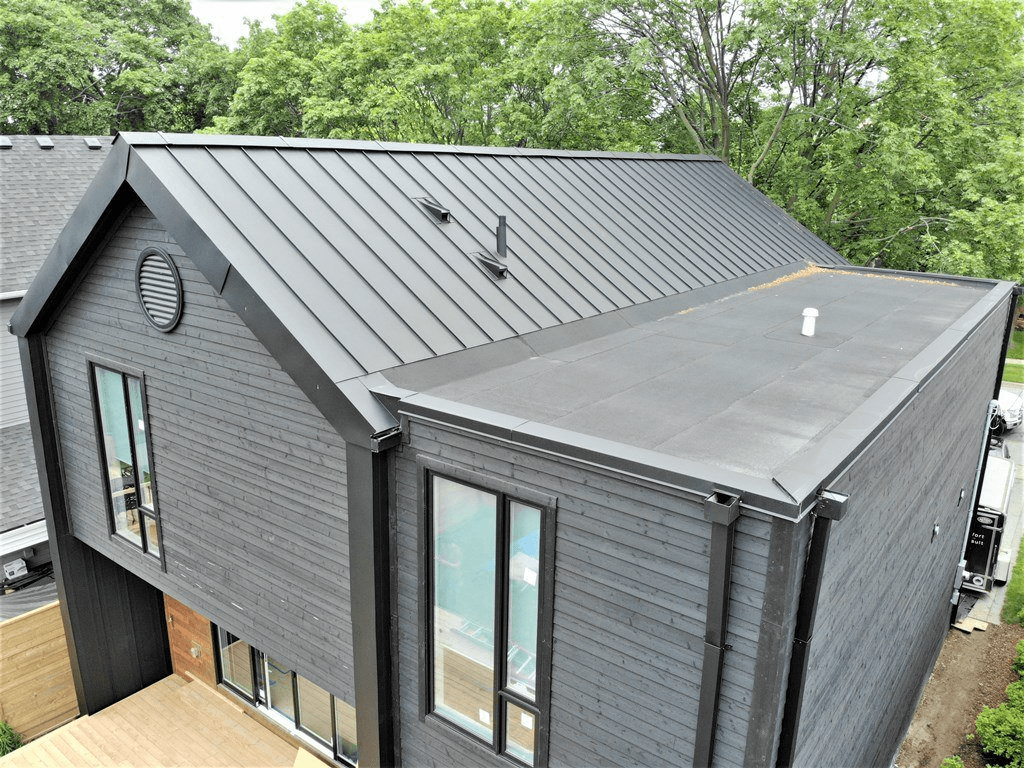
Gable roofs in Waterloo Region are more than a design element; they’re a practical response to our climate. When you look around Kitchener, Waterloo, Cambridge, and the surrounding communities, you’ll notice triangles peaking above the eaves. That familiar shape didn’t happen by accident. Local winters bring heavy snow and gusting winds, and spring introduces relentless rain followed by sun and repeat freeze–thaw cycles. A steeply pitched roof sheds moisture quickly, so it doesn’t linger and soak into structural wood. Yet many homeowners still feel unsure about which roof shape suits their home and how to maintain it over time. When your roof goes unseen, it’s easy to forget the role it plays in protecting your family and investment. Questions about costs, materials, and longevity aren’t just curiosity; they influence comfort and energy bills. You may have heard neighbours mention gable roofs or different styles, but where do you start?
This blog unpacks the essentials in an easy, conversational way. You’ll learn what a gable roof is, why it’s popular locally, how it stands up to snow and wind, what it costs to build and maintain one, and which styles and materials make sense for our neighbourhoods. By the end, you’ll feel confident discussing options with any roofer and understanding the benefits each choice brings.
What Is A Gable Roof?
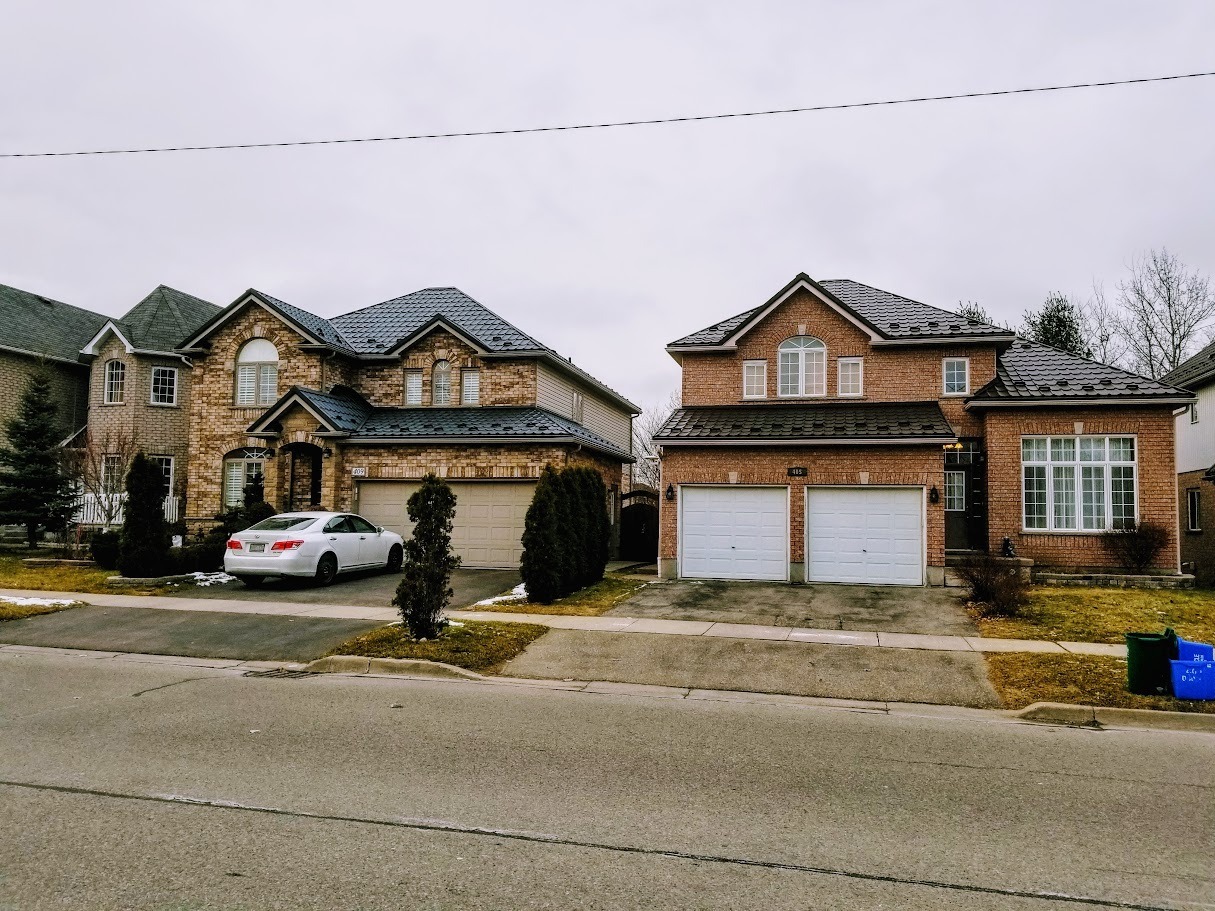
A gable roof is defined by two sloping planes that meet at a central ridge, forming a triangular profile on each end of your house. That triangle isn’t just attractive; it works hard. The sloped surfaces encourage rain, sleet, and snow to slide away, preventing standing water on your roof deck. In Southern Ontario, where snowfalls are common and storms sweep in from Lake Huron, these slopes reduce the risk of leaks and structural stress.
Waterloo Region’s housing stock includes everything from historic farmhouses to modern subdivisions. Builders and homeowners choose gable roofs because they’re straightforward to frame, which keeps construction costs down. This efficiency makes the style one of the most affordable options for new builds or renovations. Because of the vertical space created beneath the ridge, you gain attic storage and improved airflow. This extra volume allows warm air to rise in winter, improving insulation performance and making your home feel cozier.
From a design standpoint, gable roofs complement both brick Victorians and contemporary builds. Many neighbourhoods even blend different gable styles, creating visual interest without complicating the structure. For homeowners who prefer to customize their home’s facade, the triangular ends offer space for architectural details, such as windows or decorative siding. If you value curb appeal, durability, and economy, this classic roof shape continues to deliver in our varied climate. In short, Gable roofs in Waterloo Region hold a special place in our communities because they balance form, function, and affordability.
How Do Gable Roofs Perform In Waterloo Region’s Snow, Wind, & Freeze–Thaw Cycles?

Kitchener-Waterloo winters are notorious for blizzards and icy gusts. Gable roofs meet this challenge by directing snow off their steep slopes. Snow that builds up on a flat roof can accumulate into heavy drifts, but the A‑shape of a gable encourages it to slide toward the eaves. This reduces the weight your trusses must bear and lowers the chance of sagging or collapse. Even during sudden temperature shifts, when snow melts during the day and refreezes at night, water runs away quickly so it can’t seep between shingles and refreeze as damaging ice.
Wind is another factor. Our region experiences high winds during storms, and a gable roof’s triangular profile can catch gusts if it isn’t designed properly. Ensuring adequate bracing and hurricane clips helps the structure withstand lateral forces. Builders sometimes opt for moderate pitches and shorter overhangs in open areas to minimize wind uplift. If your home is exposed, consider cross‑bracing inside the attic and regularly inspecting the sheathing for signs of movement.
Gable roofs also perform well under the freeze–thaw cycles typical of early spring. The simple geometry leaves fewer valleys where water can collect and freeze. Adequate ventilation is critical: installing gable vents and soffit vents allows cold, dry air to flow through the attic, reducing condensation that can lead to rot or mold. Regularly clear gutters to ensure melting snow drains properly. A few preventative tasks go a long way toward extending the lifespan of your roof and protecting the interior of your home.
What Are The Cost & Maintenance Considerations For Gable Roofs In The Waterloo Region?
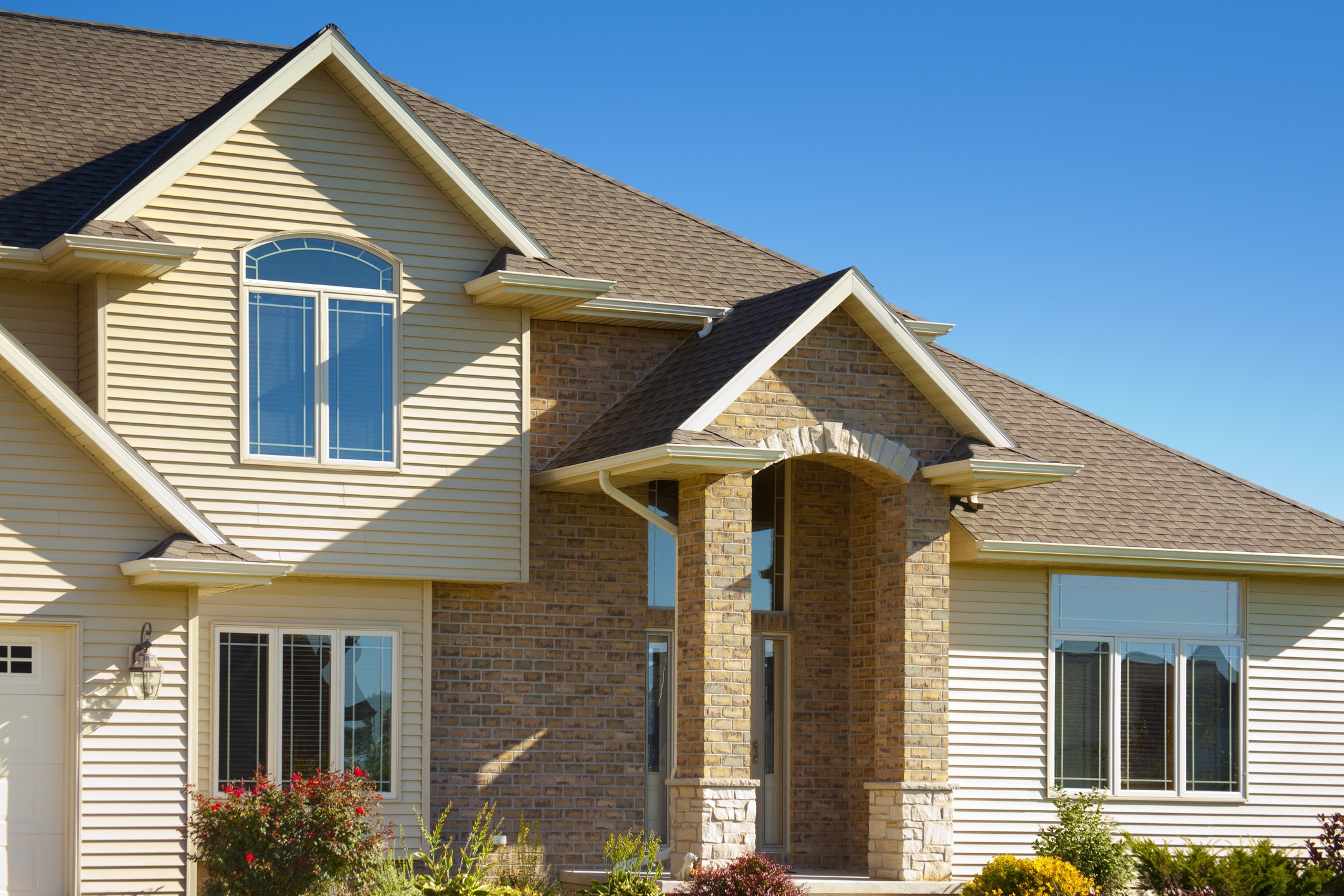
One of the reasons so many Waterloo Region homes feature gable roofs is their affordability. Because the design uses two uniform slopes and simple trusses, it generally costs less to construct than more complex roof shapes. For a typical family home, the price may range from roughly $6 to $9 per square foot, depending on materials and labour. Simpler side‑gable designs sit at the lower end, while cross‑gable or Dutch gable layouts cost more because they require additional framing and flashing. Remember that local labour costs and building code requirements can influence your final quote.
Maintenance is another key consideration. Fortunately, the straightforward geometry of a gable roof makes upkeep manageable:
1. Inspect seasonally: Check shingles, flashing, and vents in spring and fall. Look for missing or curling shingles, rusted nails, or gaps where snow might enter.
2. Clear gutters regularly: Debris can block drainage, leading to ice dams during freeze–thaw cycles. Installing gutter guards can reduce this task.
3. Trim nearby trees: Overhanging branches rub against shingles and allow moisture to linger. Keeping branches a safe distance away prevents damage.
4. Address minor repairs promptly: A loose ridge cap or cracked vent boot is inexpensive to fix. Leaving it can lead to leaks that damage insulation and framing.
Budgeting for occasional repairs and scheduled inspections helps you avoid costly surprises. If you plan to install higher‑end materials, such as metal or slate, expect higher upfront expenses but longer lifespans with less frequent replacement. The Roofman offers inspection services and maintenance advice tailored to our climate, ensuring your investment delivers long‑term value without unnecessary fuss.
Which Gable Roof Styles & Materials Are Best for Waterloo Region Homes?
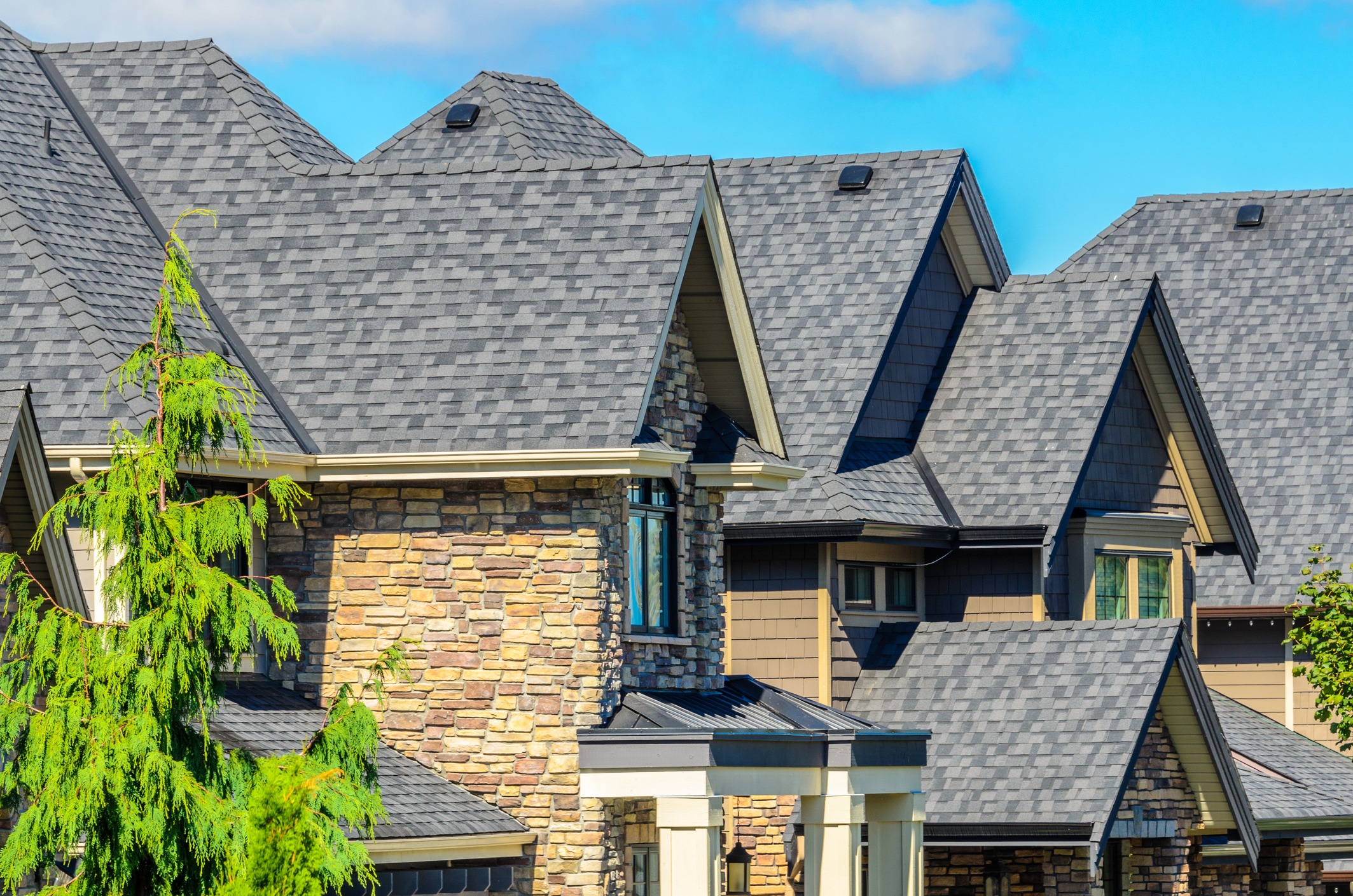
Not all gable roofs are the same. The basic side gable, where two slopes meet along a central ridge, remains the most common choice due to its simplicity. It pairs well with most architectural styles and offers ample attic space. Front gables provide a similar profile but orient the triangular ends toward the street, lending a more formal appearance seen in Colonial or Georgian‑inspired homes. Cross‑gable roofs combine two or more gable sections intersecting at right angles; they suit houses with multiple wings or L‑shaped floor plans. A Dutch gable blends the hip roof’s stability with a small gable on top, providing both wind resistance and attic ventilation.
Material choice is equally important:
- Asphalt shingles remain the most affordable and popular option. Modern fiberglass‑reinforced shingles resist algae, provide adequate wind ratings, and are available in colours that complement brick, siding, and stone.
- Metal roofing, whether standing‑seam steel or aluminum panels, offers superior durability and excellent snow shedding. It is slightly noisier during rain but lasts for decades with minimal maintenance.
- Wood shakes or cedar shingles create a rustic look but require regular treatment against rot and insects.
- Slate and synthetic slate provide premium aesthetics and outstanding longevity at a higher cost; however, they are heavier, so your roof structure must be strong enough to support them.
When selecting a style and material, consider your home’s architectural character, your budget, and how much effort you’re willing to put into maintenance. Consultation with a local expert can help you balance these factors.
Your Source for Gable Roofs in Waterloo Region
Choosing the right roof for your Waterloo Region home isn’t just a design decision; it’s an investment in comfort, safety, and long‑term value. Whether you’re building a new home or replacing an aging roof, understanding the interplay between design, climate, and materials empowers you to make informed choices. The Roofman team is here to answer your questions and provide professional insights, helping you craft a roof that harmonizes with your home and stands strong through every season.
Contact us today to get started on your next project. You deserve a roof that looks good and performs even better, and a bit of preparation ensures you’ll enjoy those benefits for years to come.