
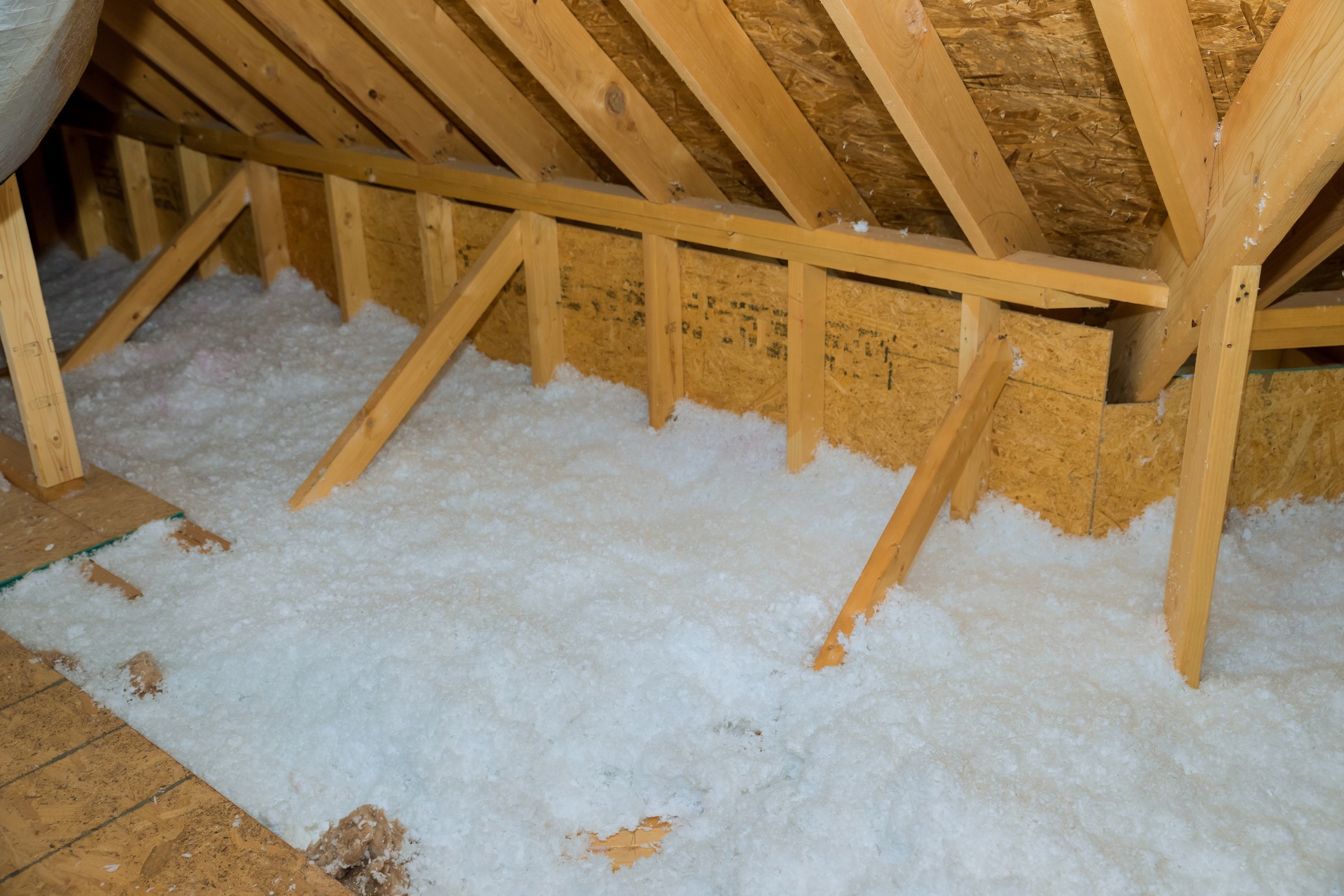
If you’ve ever opened your attic hatch and noticed frost, a damp smell, or a dramatic temperature shift, your home is trying to tell you something. Many homeowners assume adding more insulation is the only way to address these issues, however, insulation is only part of the solution.
Without proper airflow, moisture becomes trapped against your roof deck, leading to attic condensation in winter and the eventual growth of mould on attic sheathing. These attic ventilation problems don’t just stay in the attic; they lead to uneven temperatures between floors, a shorter lifespan for your shingles (which may require professional roof repair), and a persistent musty smell in the attic that can eventually drift into your living space.
A healthy home requires a both insulation and airflow. When you recognize the signs of poor attic ventilation, you can address the root cause before it leads to expensive structural repairs.
This FAQ guide breaks down the most common questions about maintaining that balance. If you’re looking for a high-level overview first, start here: Roof Maintenance: Why Attic Insulation and Ventilation Can Make All The Difference.
How Does Attic Ventilation Work In A Typical Home?
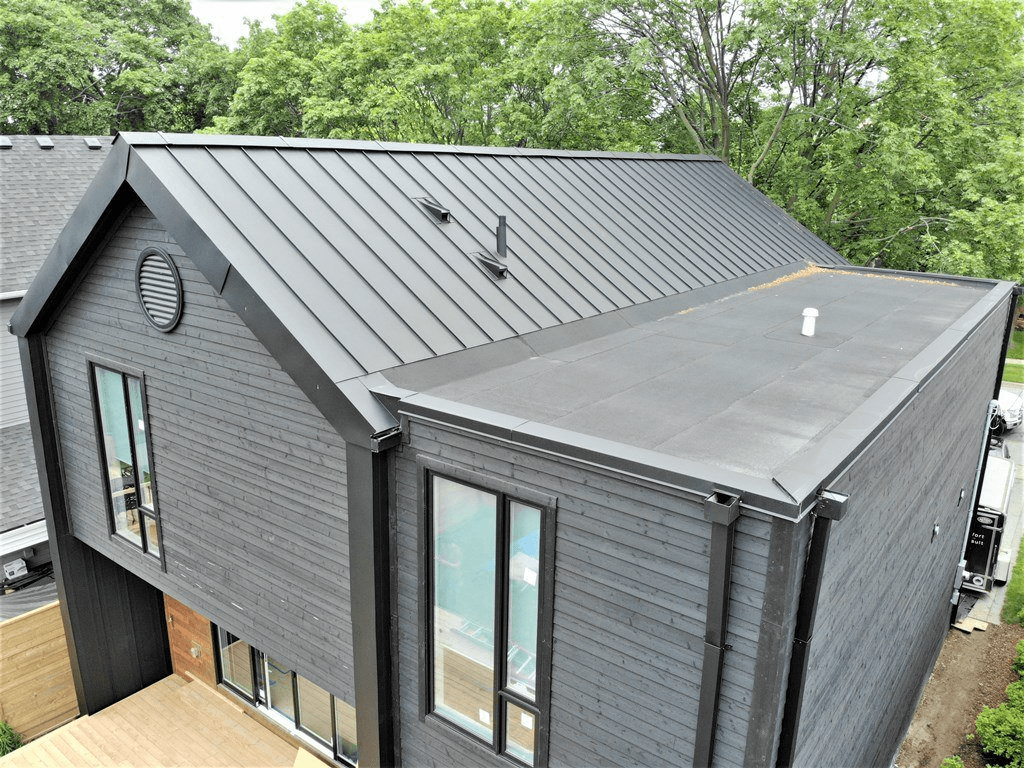
Many homeowners find it difficult to diagnose attic ventilation problems because the system is mostly hidden behind drywall and insulation. However, the mechanics rely on a simple, continuous cycle:
- Intake: Fresh air enters through vents along the lower roof edge, usually in the soffits.
- Circulation: As air warms, it rises through the attic, carrying away heat and humidity.
- Exhaust: This air exits through vents near the roof peak.
The key is circulation. For the system to work, air must move freely from the low intake vents to the higher exhaust vents without obstruction.
When attic insulation and ventilation function together, they help:
- Maintain stable attic temperatures.
- Reduce attic condensation in winter.
- Support longer roof material lifespan.
- Improve indoor comfort.
What’s The Difference Between Intake And Exhaust Vents?
Attic airflow depends on two vent types working together.
- Intake vents: Located at the roof edge, usually within the soffits. Their job is to pull fresh, cool outside air into the attic.
- Exhaust vents: Positioned high on the roof, often near the ridge. They release the warm, humid air that rises through the space.
When both types are balanced, air flows naturally upward. This prevents attic ventilation problems and ensures moisture doesn’t linger long enough to cause mould on attic sheathing. Without enough intake, your exhaust vents cannot function effectively.
Do I need to install a ridge vent and soffit vents together?
In most homes, ridge and soffit vents these two vent types are specifically designed to work as a pair.
Soffit vents act as the entry point for fresh air, while ridge vents provide an exit at the highest point of the roof. Together, they create a steady, passive airflow pattern that prevents attic ventilation problems.
If a roof has exhaust vents without sufficient intake, the system may actually pull conditioned air from your living space into the attic. This not only wastes energy but can also transport indoor humidity into the space, contributing to mould on attic sheathing.
Can Insulation Block Soffit Vents?
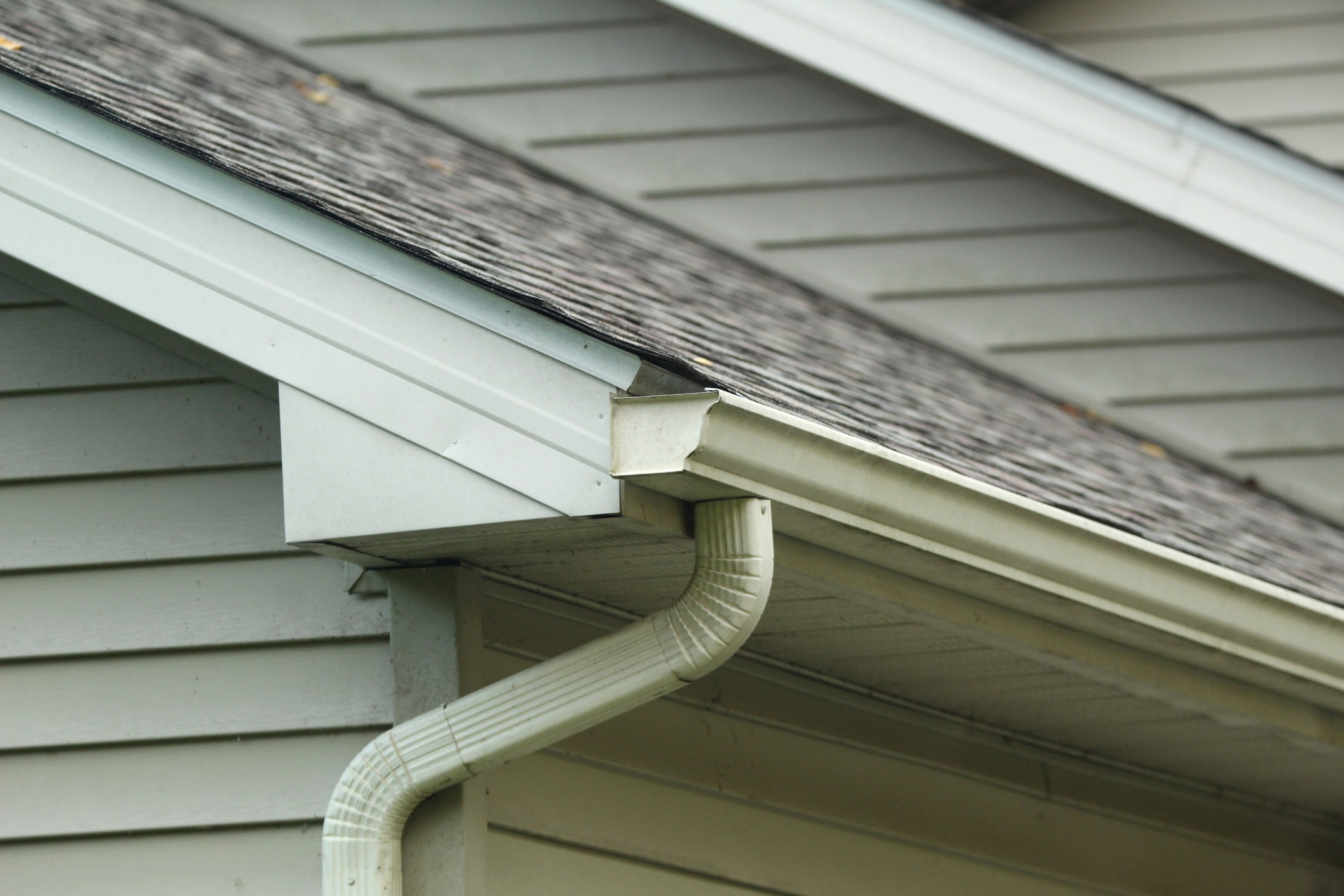
Yes, it is a common issue for insulation to block soffit vents, especially after insulation upgrades. Loose-fill materials like blown fiberglass or cellulose can shift toward the roof edge over time. When soffit vents are blocked by insulation, fresh air cannot enter the attic, causing the ventilation cycle to slow or stop entirely.
This lack of airflow leads to moisture buildup and significant temperature imbalances.
To catch the problem early, look for these signs of poor attic ventilation:
- Frost in the attic in winter
- Damp or stale attic air
- Noticeable temperature differences between the attic and the rooms below
- Visible insulation covering vent openings
What Are Attic Baffles And Why Are They Needed?
Baffles are small channels installed between roof rafters near the eaves. They are often installed before adding insulation or during insulation upgrades, and their job is to maintain a clear air pathway between the soffit vents and the attic space.
Without them, loose-fill insulation—such as blown-in fiberglass or cellulose—can easily drift into the ventilation path. This leads to soffit vents being blocked by insulation, which suffocates the attic’s airflow. Baffles ensure your system remains functional by:
- Protecting intake airflow: Keeping a dedicated gap for fresh air to enter.
- Preventing insulation drift: Keeping loose material from sliding into the eaves.
- Supporting balanced circulation: Ensuring air reaches the exhaust vents without obstruction.
For more detail on how proper airflow channels fit into a complete system, visit our Attic Insulation service page.
Does Attic Insulation Need Ventilation?
Yes. Insulation and ventilation serve different roles: insulation slows heat transfer, and ventilation removes moisture. Without airflow, humid air from your home can become trapped, leading to attic condensation in winter. When this moisture collects on cold surfaces, it creates the perfect environment for mould on attic sheathing. High insulation levels can make proper ventilation more important because the attic stays colder relative to the house, which can increase condensation risk if moist indoor air leaks into the attic.
How Much Attic Ventilation Do I Need?
Ventilation requirements are usually based on the size of the attic floor area. Building guidelines often recommend a specific ratio of ventilation space relative to attic size.
For many homes, balanced systems aim for intake and exhaust vent areas that allow steady airflow throughout the attic.
Professionals evaluating ventilation typically consider:
- Attic floor area and roof pitch: Larger or steeper roofs often require more airflow to stay dry.
- Existing vent locations: Checking that there is a functional balance between air coming in and air going out.
- Insulation depth: Ensuring that loose-fill insulation isn’t piled so high that it blocks the natural movement of air.
Balanced airflow matters more than simply adding more vents; if you have too much exhaust and not enough intake, the system won’t circulate properly.
Why Does My Attic Smell Musty In Winter?
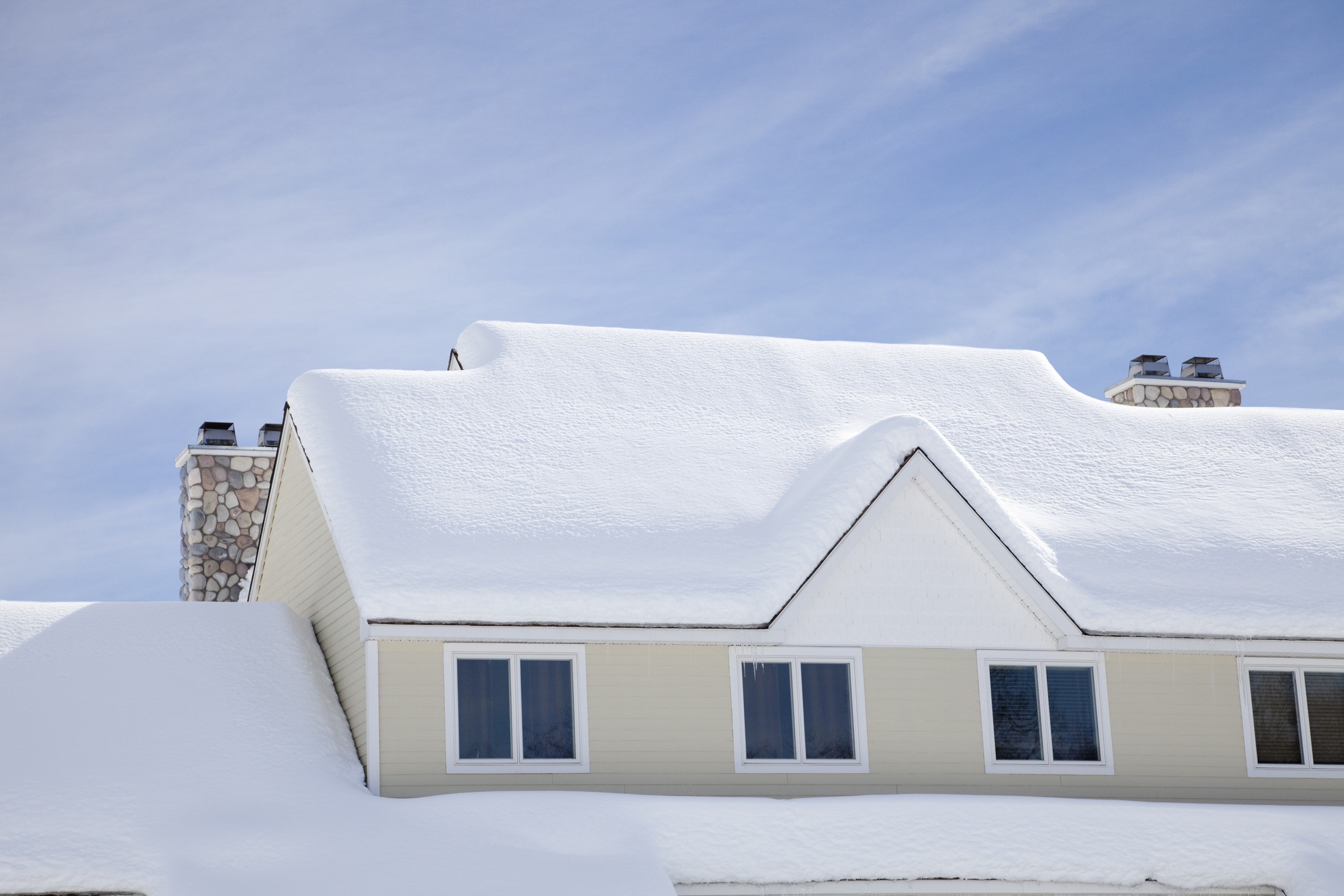
A damp or earthy odor is one of the most common signs of poor attic ventilation. In colder months, warm indoor air rises into the attic through small openings in ceilings. When airflow is limited, this humidity remains trapped rather than escaping outdoors. Over time, this moisture settles into your insulation or wood framing.
Possible causes include:
- Soffit vents blocked by insulation: Stopping fresh air from entering at the eaves.
- Limited exhaust airflow: Preventing humid air from exiting near the roof peak.
- Bathroom fans venting into the attic: Dumping concentrated moisture directly into the space.
- Poor air circulation: Creating “dead zones” where moisture can sit and eventually lead to mould on attic sheathing.
Improving airflow is the most effective way to remove this moisture before it leads to structural damage.
Is Frost In The Attic Normal In Cold Weather?
While a light dusting of frost might appear during extreme cold snaps, heavy frost in the attic in winter is a red flag. This happens when warm indoor air carries humidity into the attic; when that moisture hits the freezing underside of your roof, it turns into ice.
The real danger occurs when temperatures rise. That frost melts and drips into your insulation, which can lead to water stains on your ceilings and ruin the insulation’s effectiveness. Ensuring proper attic airflow is the only way to cycle that humidity out before it has a chance to freeze.
What’s The Easiest Way To Check If Soffit Vents Are Blocked?
You can perform a quick visual audit to see if your home has blocked soffit vents.
- From inside the attic: Use a flashlight to check the very edges of the roof (the eaves). You should see light coming in from the soffits or the clear channels of your attic baffles. If you only see mounds of loose-fill insulation, your intake is likely obstructed.
- From outside: Inspect your soffit panels from the ground. Look for dirt, bird nests, or layers of paint that might be sealing the vent holes. If these holes appear clogged or solid, fresh air cannot enter your home to push out rising heat and moisture.
Can Bath Fans Cause Attic Moisture?
Bathroom exhaust fans are a primary source of attic ventilation problems if they aren’t ducted correctly. Showers release massive amounts of warm, humid air; if that air is dumped directly into the attic instead of outside, moisture levels spike immediately.
Common results of improper venting include:
- Frost formation in the attic in winter
- Damp insulation
- Musty attic smells
- Mould on attic sheathing
All bathroom fans should be connected to sealed ducts that vent directly through the roof or a side wall to the outdoors.
Should Kitchen Exhaust Vent Into The Attic?

Kitchen exhaust should never release air into the attic space. Cooking generates heat, moisture, and grease particles; allowing this air to enter your attic increases humidity and leaves a sticky residue on your roofing materials.
Over time, this buildup can contribute to a musty smell in the attic and provide a food source for mould on attic sheathing. All kitchen exhaust ducts must direct air entirely outside through a dedicated roof or wall vent to keep your attic air clean and dry.
Why Is The Upstairs Hotter In Summer Even With Insulation?
Many homeowners notice that upper floors remain uncomfortably warm during the summer, regardless of how high the air conditioning is set. This is often caused by heat trapped in the attic. Without sufficient exhaust vents, the air above your ceiling can reach temperatures well over 50°C.
This trapped heat eventually radiates downward through your insulation and into your living space. Improved airflow allows that hot air to escape through the roof vents, which helps maintain a more consistent temperature on the upper floors and reduces the strain on your cooling system.
What Are Common Mistakes After Adding Insulation?
Insulation upgrades are helpful, but they can unintentionally cause attic ventilation problems if the whole roofing system isn’t considered.
The most frequent errors include:
- Covering soffit vents with insulation by forgetting to install baffles
- Restricting airflow by compressing existing insulation
- Ignoring existing moisture such as mould on attic sheathing
When Should A Homeowner Call A Roofing And Attic Specialist?
If you notice persistent issues with your attic, a professional evaluation is the safest next step. You should reach out to a specialist if you encounter:
- Recurring frost on the underside of the roof
- Ice buildup near roof edges
- Strong musty smells that persist throughout the seasons
- Significant temperature differences between floors
- Visible mould on attic sheathing or damp spots on the wood framing.
Many homeowners prefer working with contractors who approach the roof as a complete system. Teams with dedicated project managers, strong warranties, and recognized certifications often provide more thorough evaluations and clearer communication throughout the process.
If you want a deeper explanation of how roofing components interact, review our guide Roof Maintenance: Why Attic Insulation and Ventilation Can Make All The Difference.
Understanding Your Attic As Part Of The Whole Roofing System

our attic is more than just unused space above your ceiling; it is a critical component of your home’s temperature balance and moisture control. If you have noticed any of the signs of poor attic ventilation mentioned in this guide, use them as a starting point to diagnose what is happening above your ceiling.
A healthy roofing system depends on the synergy between insulation and airflow. When these elements are balanced, you protect your home from long-term structural issues and ensure your living space remains comfortable year-round.
Every attic is different; if you would like guidance tailored specifically to your home, Request an Estimate for a detailed attic assessment.
Summary
Attic insulation and ventilation work together to manage airflow, moisture, and temperature. When these elements are balanced and airflow pathways remain unobstructed, your attic will stay dry and stable through every changing season.