

A neglected flat roof can quietly erode the comfort and safety of your home. Without a reliable flat roof maintenance checklist or flat roof inspection checklist, you might not notice small leaks, ponding water or damaged flashing until they have caused extensive interior damage. Ignoring those warning signs allows water to seep into your attic and walls, encouraging mould and structural damage that are costly to address.
Homeowners often postpone roof care because climbing onto a roof feels risky or they are unsure about what to look for. This hesitation lets debris accumulate and drainage systems clog, which accelerates deterioration. Worse yet, irregular inspection intervals allow minor membrane cracks to become leaks or water stains. When standing water stays on a flat roof for more than 48 hours, the pooling can damage roof materials and even the structure beneath. Spring and fall inspections catch these issues early, but when they are missed, repairs become urgent and expensive.
By following a detailed flat roof maintenance checklist, you protect your investment and extend the roof’s lifespan. Regular inspections, seasonal cleaning, prompt repairs and professional guidance ensure your roof remains watertight and energy-efficient. This guide breaks down the tasks you can do yourself and tells you when to call a contractor. You’ll discover how to schedule inspections, recognize warning signs and keep drainage systems clear, all using clear, approachable language tailored for homeowners. The goal is not to sell you on a service but to empower you with knowledge so you can confidently care for your flat roof.
What To Do Each Season
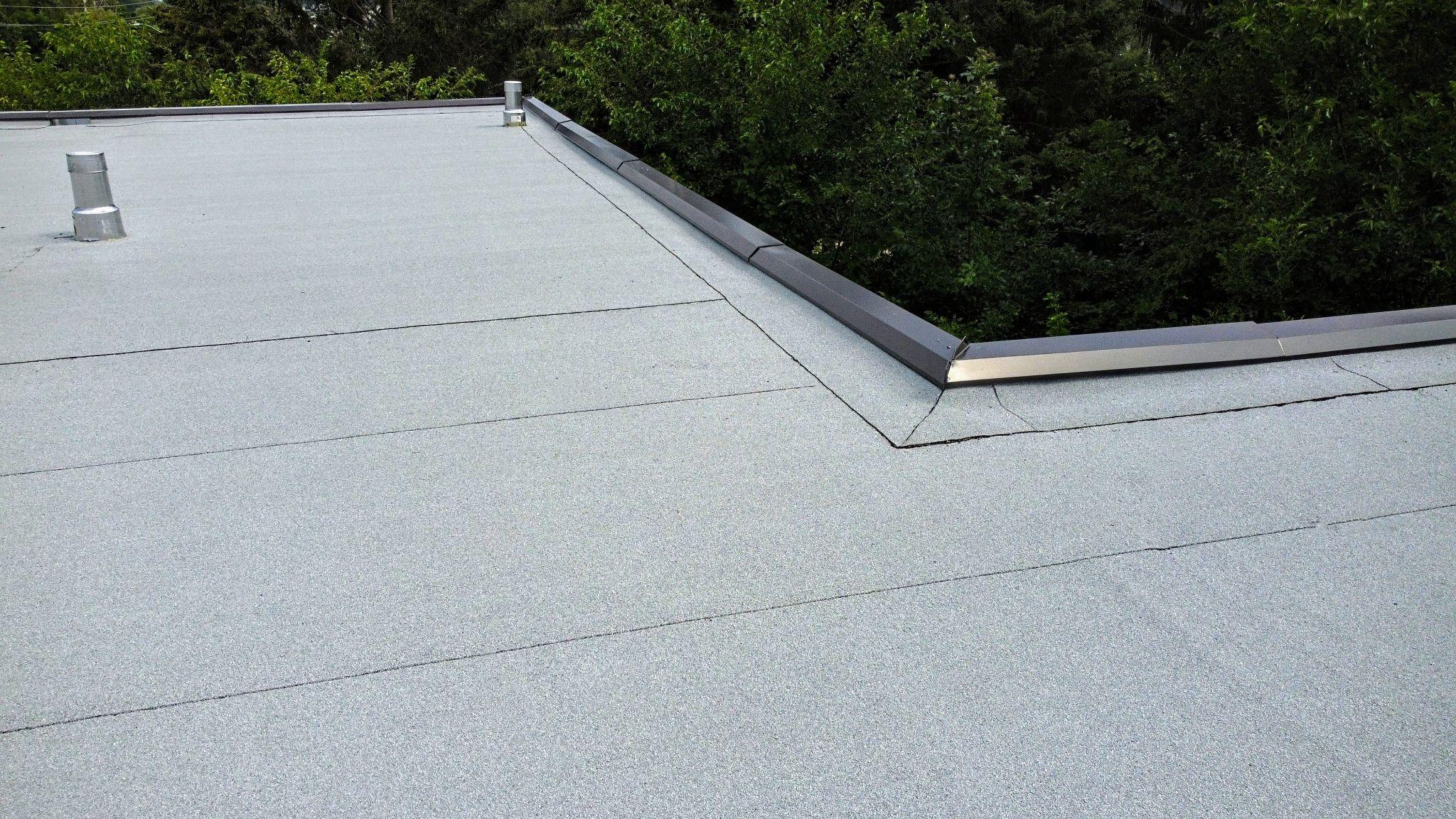
Seasonal rhythms help you remember to follow your flat roof maintenance checklist. Regular maintenance reduces the likelihood of leaks and preserves the roof’s warranty by keeping records of inspections. Your checklist should include cleaning, visual inspections and simple fixes.
Spring Tasks
After winter, inspect the roof surface for cracks from freeze-thaw cycles, ice dam formation and blockages in the drainage system. Clear debris such as leaves, branches and dirt; this prevents clogged drains and ponding water. Look for signs of water pooling or leaks and check flashing and seams for gaps. Consider taking photographs of any damage for warranty records. Use a soft-bristle broom or leaf blower for debris removal and clean gutters and drains to ensure proper water flow.
Summer Tasks
In summer, extreme heat can dry out sealants and accelerate membrane deterioration. A flat roof maintenance checklist should include checking seals and joints monthly and cleaning roof surfaces bi-monthly. Inspect roof drains for signs of blockage, rust or wear; maintaining them helps water flow freely and prevents ponding. Trim overhanging branches to reduce debris and shade the roof; this extends the life of the material and reduces heat absorption.
Fall Tasks
Fall inspections prepare your home for harsh winter weather. Check membrane integrity and the condition of flashing and seams; clean gutters and downspouts. Remove fallen leaves, pine needles and branches, paying extra attention to corners and around rooftop equipment where debris collects. Repair minor cracks or blisters before they expand during freeze-thaw cycles. Your flat roof maintenance checklist should also note any sagging roof lines or horizontal lines on walls, which could indicate structural movement.
Winter Tasks
Although you should avoid walking on icy or snow-covered roofs, winter is an ideal time to visually inspect for ice dams, snow loads and interior condensation. Ensure that ice and snow do not accumulate around drains; blocked drains cause ponding and can compromise roof integrity. If safe access is unavailable, consider hiring a professional who uses the correct safety equipment. Remember, water that remains for more than 48 hours can lead to structural damage, so check for ponding after snow melts. Document all findings in your maintenance records.
How Often Should You Inspect A Flat Roof?
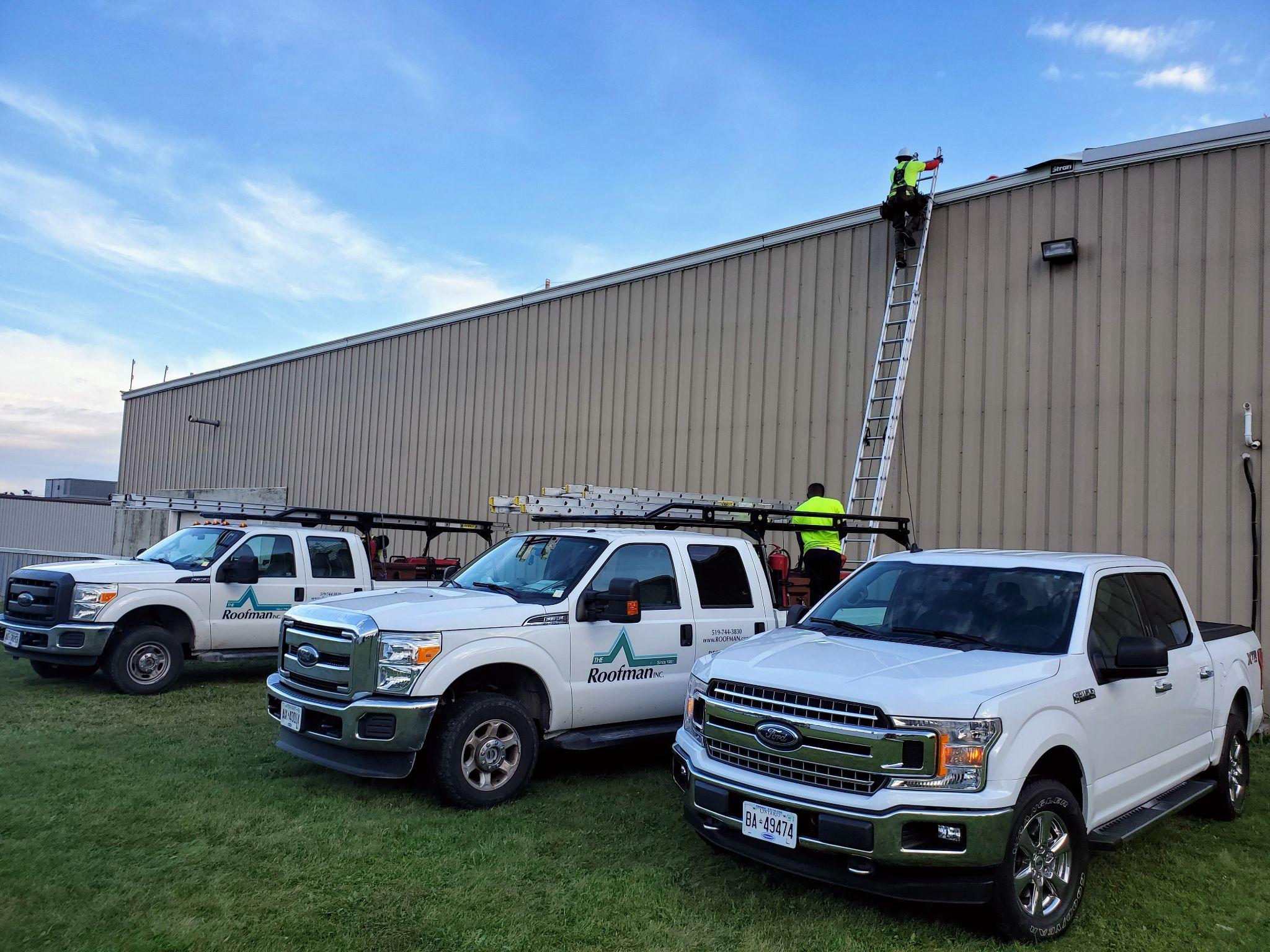
Inspection frequency is central to any flat roof maintenance checklist. Most roofing experts recommend that you inspect a flat roof at least twice per year, ideally in spring and fall. These two periods allow you to assess damage from winter weather and prepare for the coming season. If you live in an area with severe storms or have an older roof, more frequent inspections may be beneficial.
Seasonal inspections are supplemented by post-storm evaluations. After high winds, heavy rain or hail, you should check for punctures, displaced membrane, damaged flashing or loose debris. Look for interior signs of water infiltration, such as discolouration or deformation on ceilings and walls, visible mould or rust, or standing water on the roof surface. Address these issues promptly to prevent costly repairs.
A structured inspection schedule not only keeps your roof watertight but also maintains warranty coverage. Manufacturers often require documented inspections to honour warranty claims. By following a routine schedule, you can provide evidence of regular maintenance, which is necessary if a warranty claim arises.
Commercial Roof Maintenance Tips That Extend Service Life

Even though this guide focuses on homeowners, commercial roof maintenance tips translate well to your residence. A flat roof maintenance checklist emphasizes the same principles: regular cleaning, prompt repair and professional inspections.
- Keep drains clear. Inspect roof drains every few months and remove leaves, twigs and debris. Check for rust, wear or loose connections and test drainage by pouring water down the drain to observe flow. Maintaining proper drainage helps avoid water pooling and prevents structural issues.
- Look for ponding water. Water that remains on the roof for more than 48 hours can lead to structural damage. After heavy rainfall or snow melt, check for puddles and note their location. Persistent ponding may indicate insufficient slope or blocked drains. Adjusting the slope or adding more drains could be necessary.
- Check flashing and seams. Flashing is a vulnerable point where water can enter. Inspect around chimneys, vents and roof edges to ensure flashing is intact. Loose or missing flashing should be repaired promptly. Seam separation is another red flag that calls for immediate attention.
- Trim vegetation. Overhanging branches drop leaves and rub against the roof membrane. Trimming these branches reduces debris and prevents branch damage during storms.
- Use quality materials. High-end roofing materials withstand weathering better and often come with longer warranties. A premium membrane or coating provides a durable, watertight surface and resists ultraviolet degradation. This is where The Roofman’s approach stands out: by starting with high-quality materials and employing dedicated project managers, you benefit from a professional approach that avoids the common pitfalls of low-end materials.
- Hire a professional for complex repairs. Some repairs, such as seam welding or membrane replacement, require specialised tools and training. It is safer and more effective to hire a certified professional rather than attempt these repairs yourself. Professionals are trained to spot issues that homeowners might miss and can tailor a maintenance plan to your roof’s specific needs.
Signs Your Flat Roof Needs Repair Before Leaks Start
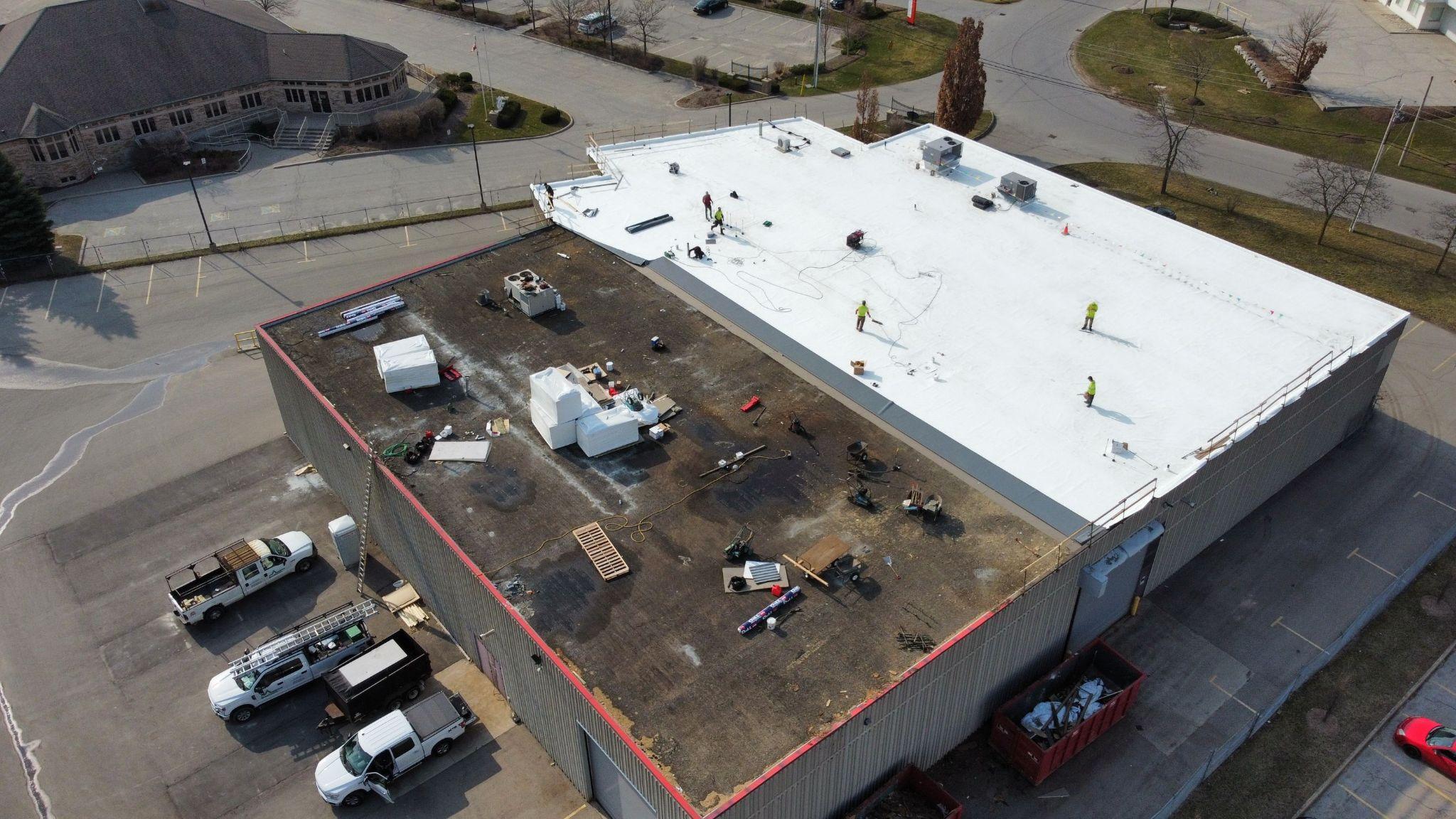
A flat roof maintenance checklist should help you recognize early warning signs of trouble. Catching these issues early prevents leaks and structural damage.
- Water stains and mould. Water stains on ceilings or walls often indicate roof leaks. If you notice discolouration, mould or peeling paint, inspect the roof above for compromised areas.
- Standing water. Puddles that remain for more than 48 hours signal drainage problems. You should call a professional if you see ponding water.
- Cracks, blisters or punctures in the membrane. During cleaning, look for cracks, blisters or holes in the roof membrane. Address them promptly to prevent leaks.
- Damaged flashing or separated seams. Loose flashing or seam separation allows water to seep into your home.
- Sagging roof lines. Sagging or soft spots can indicate structural issues or trapped moisture. If you notice sagging, call a professional right away.
These signs warrant immediate attention. Document the issue with photographs and note the date. Contact a roofing contractor who understands manufacturer warranties to ensure repairs do not void your coverage. With the right guidance, you can get everything under control
Flat Roof Drainage Problems: Spotting Ponding & Blockage Early
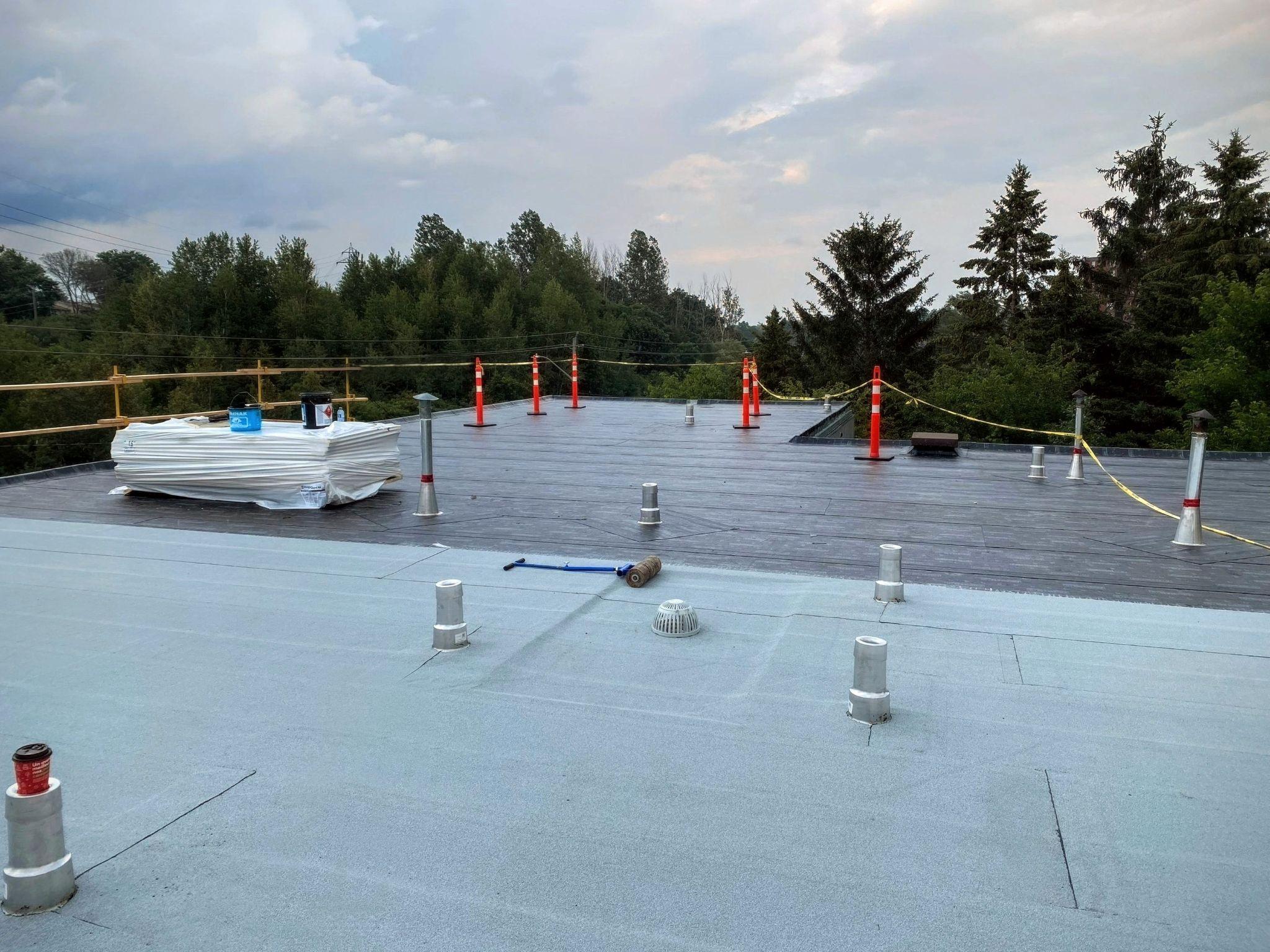
Drainage is the lifeline of a flat roof. When drains are blocked or insufficient, water accumulates, adding weight and causing leaks. Your flat roof maintenance checklist should prioritise regular drain inspections and cleaning.
- Inspect drains and gutters. Check roof drains every few months and clean gutters at least twice a year, removing leaves and debris. Ensure that downspouts remain clear and that water flows freely. Replace damaged or crushed downspouts to avoid water backing up onto the roof.
- Ensure proper slope. A slight slope guides water toward drains. If ponding occurs, inspect the slope and consider adding tapered insulation or additional drains. Adjusting the slope helps direct water away from problem areas.
- Look for stains around drains. Slow-draining lines and stained roof surfaces may indicate past ponding events. Use chalk or paint to mark the areas and monitor them over time.
- Address blockages promptly. Leaves, twigs, birds’ nests and debris can block drains. Regular cleaning prevents blockages and ensures your drainage system functions effectively. Testing drainage efficiency by pouring a bucket of water down the drain can reveal hidden blockages.
By paying attention to drainage, you reduce the risk of leaks, structural damage and premature roof failure. Keep a record of your drainage inspections as part of your maintenance schedule.
What To Record & Photograph
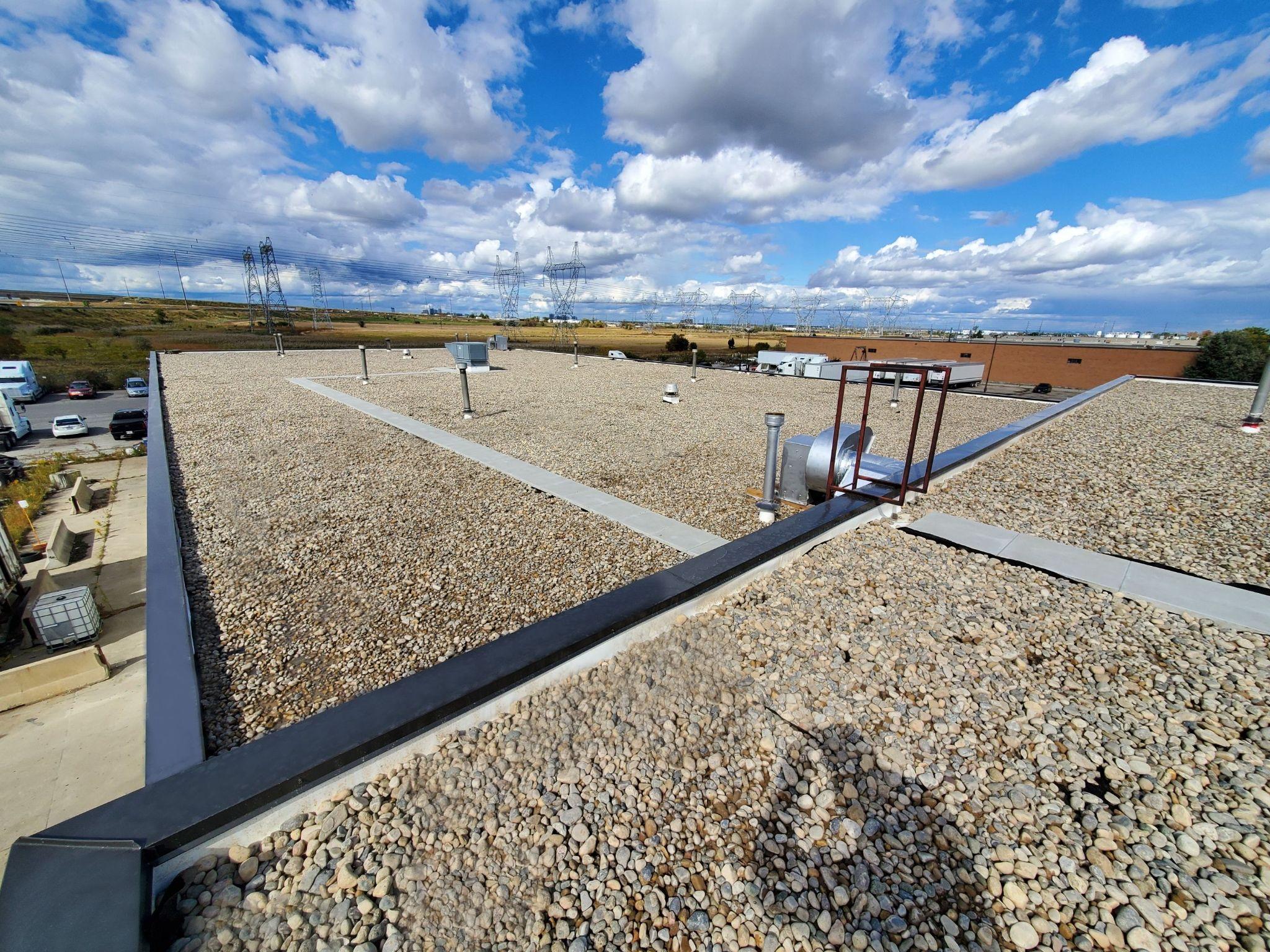
Documenting your inspections is as important as performing them. A thorough flat roof maintenance checklist should include a record of who conducted the inspection, the date, the reason for inspection and observations. Keeping records helps with warranty claims and provides a reference for future maintenance.
Creating a Record
When conducting an inspection, record the following:
- Names and dates. Document the name(s) of the inspector(s) and the date of the inspection. Indicate whether the inspection is part of your spring or fall routine, a post-storm evaluation or another reason.
- Condition of interior surfaces. Note any leaks, cracks, peeling paint, mould, or alignment issues in interior walls and ceilings. Water stains inside can signal roof leaks.
- Exterior walls and roof access. Record deterioration, discolouration, overhanging branches and the general condition of the roof surface.
- Roof membrane. Assess the roof’s overall condition, coating, granule loss, punctures, cracks, blisters and any signs of ponding.
- Roof features. Include fascia and eaves, flashing, sealants, soffit, gutters, drains and downspouts. Take pictures of any damage or wear.
Why Photographs Matter
Photographs provide visual evidence for warranty claims and help contractors understand the issue before arriving on site. Take close-up photos of cracks, blisters, displaced flashing and ponding areas. If you hire a contractor, share these images to explain your concerns and streamline the repair process. Many manufacturers require photographic proof that inspections were completed according to schedule.
Using a Template
A roof maintenance schedule template can simplify record-keeping. You can create a spreadsheet that lists each item to check, the condition of that item (good, fair, poor) and recommended repairs. Sample templates often include sections for interior walls, exterior walls, roof surfaces, drainage systems and roof features. By filling out this template during each inspection, you maintain a consistent record of your roof’s condition.
When To Call Your Roofing Contractor For Warranty-Safe Repairs
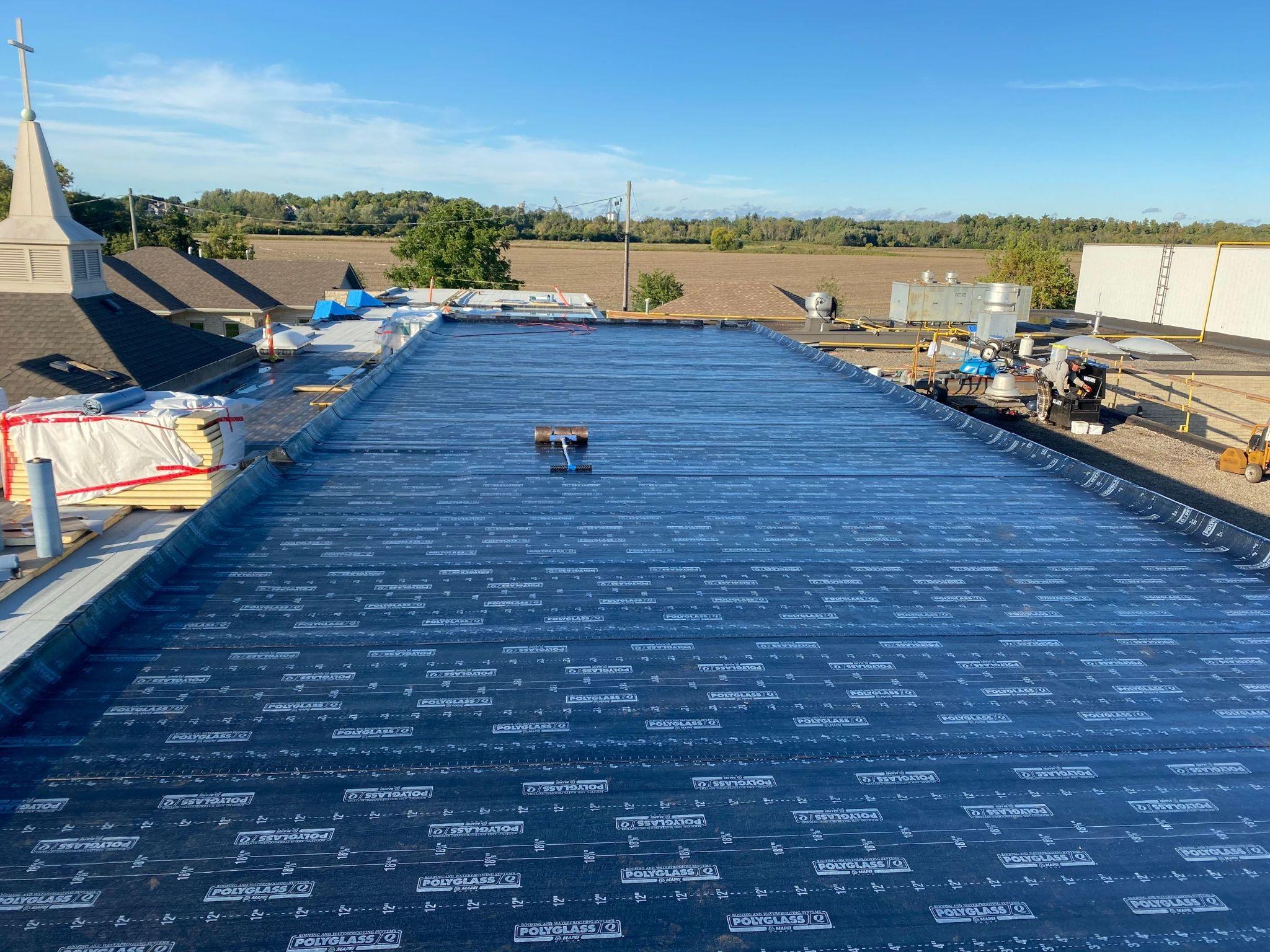
Even the most diligent homeowner will occasionally need professional assistance. A flat roof maintenance checklist helps you determine when to call in a contractor. You should seek professional help when:
- You see water pooling for more than 48 hours. Persistent ponding indicates drainage issues or structural sagging. A professional can evaluate the slope and make adjustments.
- There are large cracks, blisters or tears. Extensive membrane damage requires specialised tools and materials. Professionals use techniques like rubber patches for EPDM roofs or heat-welding for TPO and PVC systems.
- Flashing or seams are compromised. Repairing flashing around chimneys, vents and roof edges requires expertise to maintain a watertight seal.
- You are unsure about safety. Professionals have training and equipment to work safely at heights. Untrained individuals should not conduct roof maintenance because of fall and electrical risks.
- Your warranty requires certified installers. Many roofing manufacturers require that repairs be performed by certified contractors to keep warranties valid.
Choosing the right contractor is essential. Look for companies that use premium materials and offer extended warranties, like those provided by Master Elite-certified contractors in the Waterloo region. A dedicated project manager ensures that every job follows a consistent quality control process and that you always have a single point of contact. These attributes provide peace of mind and protect your roof investment.
Why Your Inspection Should Include Fascia, Flashing & Eavestroughs
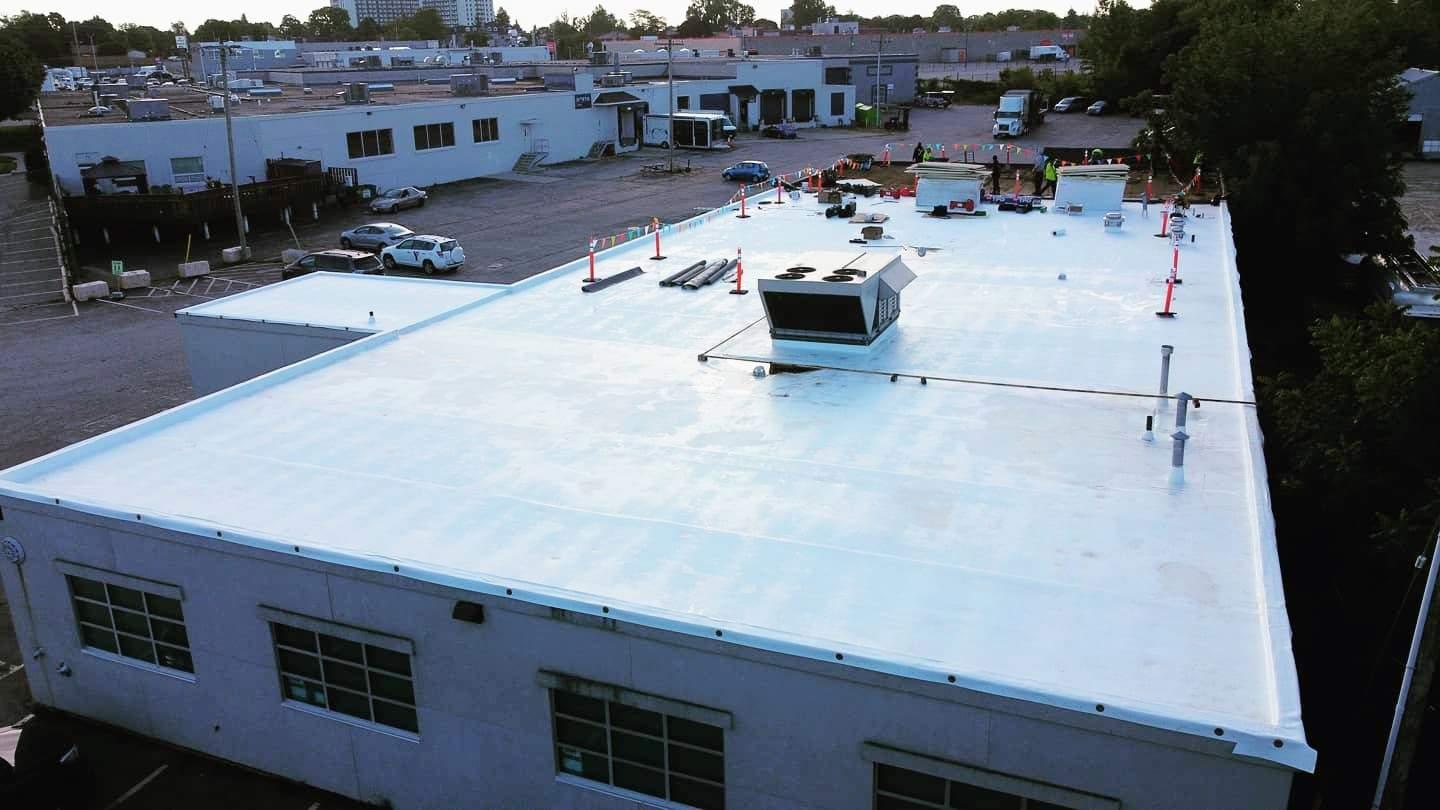
Homeowners sometimes overlook areas beyond the main roof membrane. A complete flat roof maintenance checklist should cover these auxiliary components because they play a key role in protecting your home.
- Fascia and eavestroughs. The fascia boards and eavestroughs (gutters) direct water away from your roof and walls. If fascia boards rot or gutters become clogged, water can back up under the roof edge and cause leaks. Inspect fascia for signs of rot, peeling paint or animal damage. Make sure eavestroughs are firmly attached and free of debris.
- Flashing. Flashing seals the junctions between your roof and other surfaces (chimneys, walls, skylights). Because flat roofs lack a steep slope, flashing is critical in preventing water intrusion. Inspect flashing for corrosion, cracks or lifting and repair it promptly.
- Downspouts and extensions. Downspouts should channel water away from your foundation. Check that downspouts are intact and that extensions discharge water several feet from the foundation. Replace damaged sections promptly.
- Soffits and ventilation. Soffit vents allow ventilation in the attic space. Inspect soffits for blockage or damage and ensure proper airflow. Adequate ventilation reduces condensation inside the roof cavity and prevents moisture problems.
Including these components in your inspection ensures that the entire roof system functions properly. It also helps you maintain the overall aesthetic and structural health of your home.
Wrapping Up Your Roof Care Journey
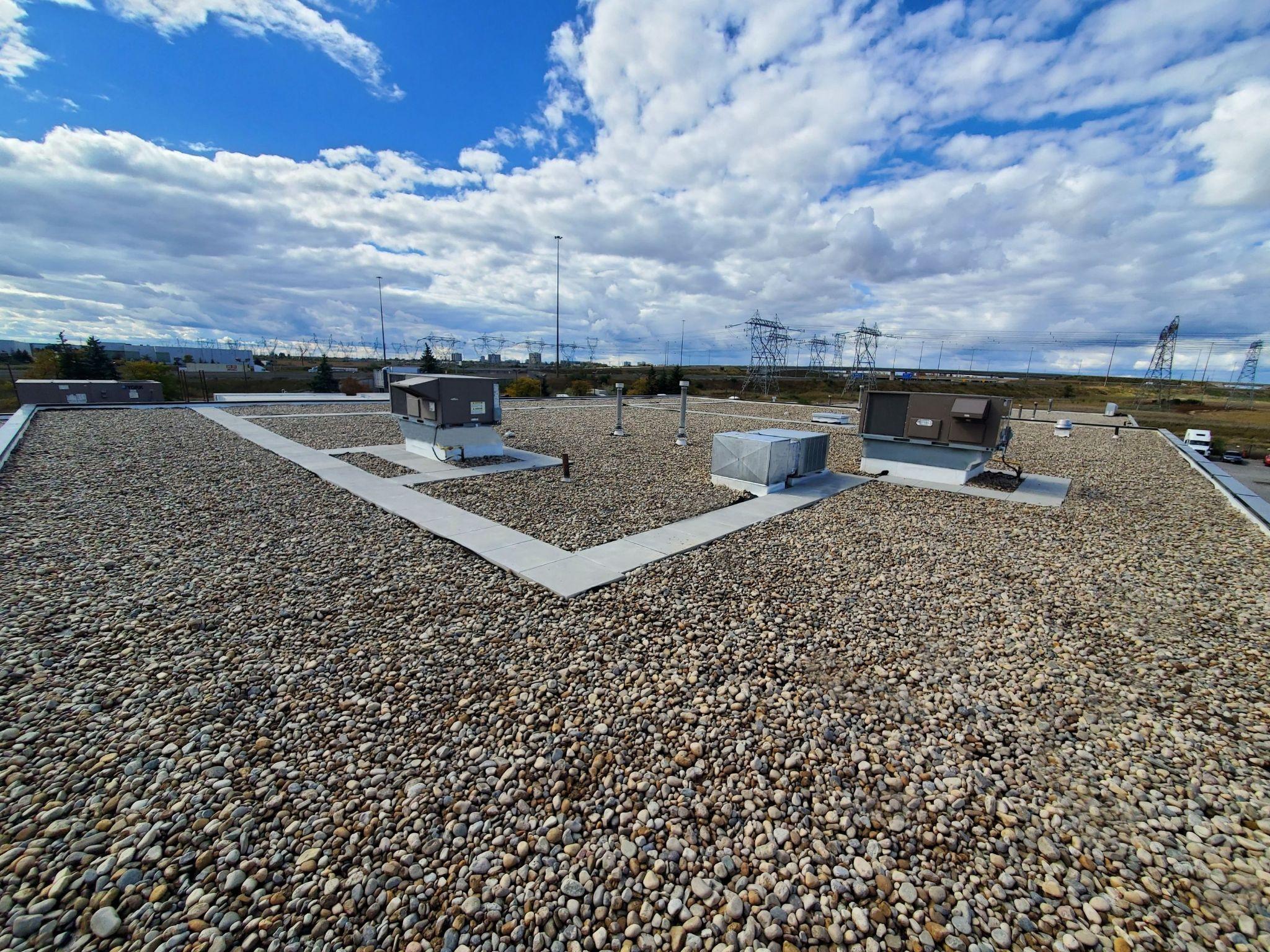
Caring for a flat roof does not have to be overwhelming. By following a seasonal flat roof maintenance checklist, you stay ahead of problems and preserve your home’s value. Inspect your roof twice a year, after storms and whenever you notice interior changes. Clean debris, check drains, monitor flashing and seams, and document everything. When signs of damage appear or you are unsure about safety, enlist a professional.
Investing time in routine maintenance yields long-term benefits: you reduce the risk of leaks, extend the roof’s lifespan and maintain warranty coverage. High-quality materials and professional workmanship further protect your home. Remember, taking preventive steps today saves you from costly repairs tomorrow.
Ready to take the next step toward a watertight roof? Request an estimate and let a qualified expert guide your maintenance plan.