

Whether you’re building a new home, renovating an existing property, or simply maintaining your current roof, understanding roof pitch is essential. Roof pitch—essentially the angle or slope of your roof—has significant implications for your home’s safety, efficiency, and aesthetic appeal. This detailed roof pitch guide provides Waterloo Region homeowners with practical insights into choosing and maintaining the right roof pitch.
Why Roof Pitch Matters in the Waterloo Region
Waterloo Region experiences a wide range of weather conditions, from heavy snowfall and freezing rain in winter to intense thunderstorms in summer. Consequently, choosing the appropriate roof pitch is critical to maintaining your home’s structural integrity and energy efficiency.
Snow Load Considerations
A steep or moderate roof pitch efficiently sheds snow, reducing the risk of ice dams and structural damage. Flat or low-pitched roofs require special attention and maintenance, including regular snow removal, to avoid excess weight and ice buildup.
Rain and Drainage Efficiency
With heavy seasonal rainfall, especially in spring and fall, adequate roof slope ensures effective water runoff, preventing water pooling and potential leaks. A pitch of at least 4/12 is usually recommended for shingle roofs to facilitate efficient drainage.
Understanding Roof Pitch
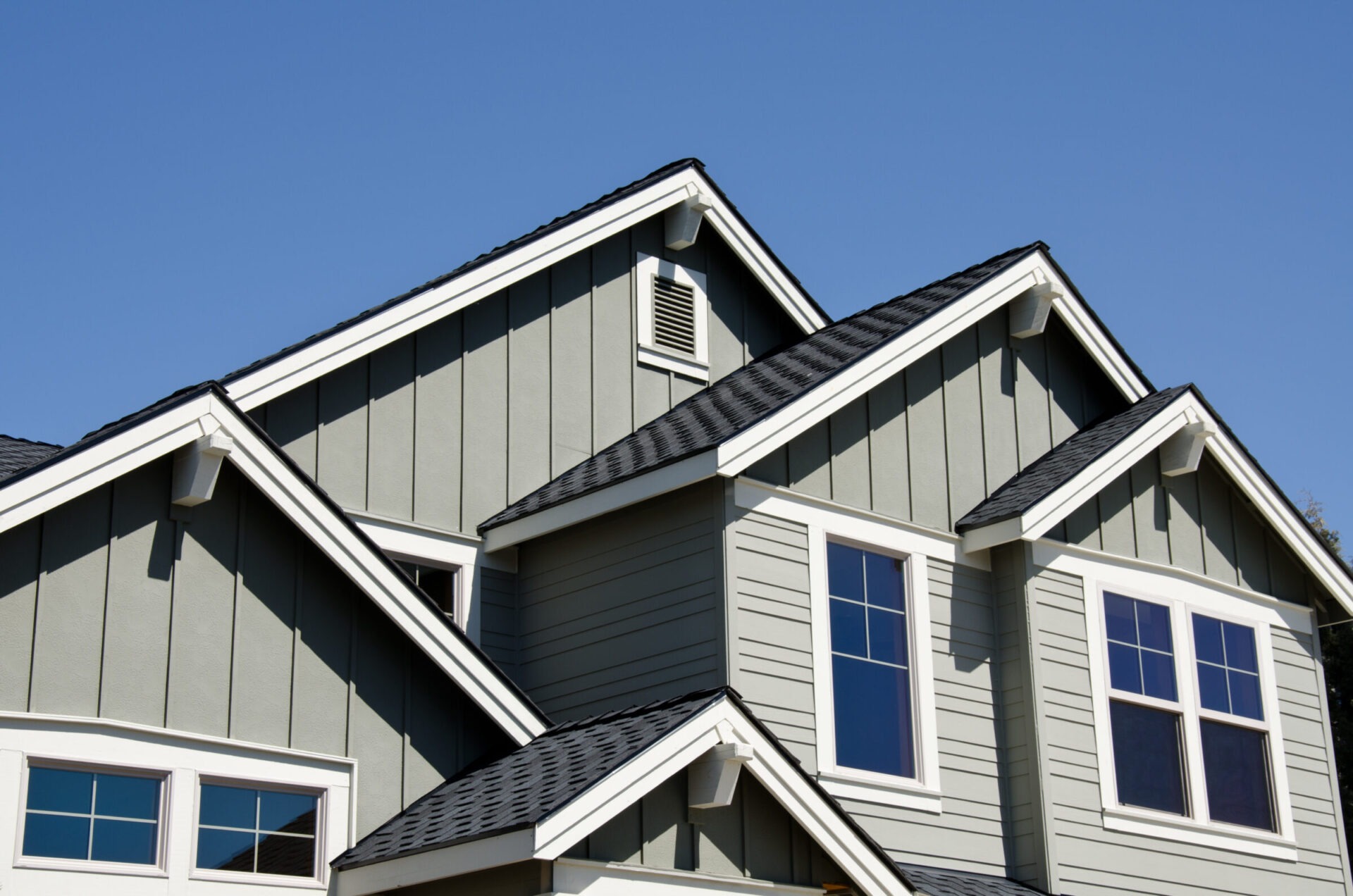
Roof pitch is defined as the steepness of a roof, measured as a ratio of vertical rise to horizontal run. For instance, a roof with a 6/12 pitch rises six inches vertically for every 12 inches of horizontal length. Typically, roof pitches fall into three main categories:
- Low pitch: 1/12 to 3/12
- Moderate pitch: 4/12 to 7/12
- Steep pitch: 8/12 and above
Understanding your roof’s pitch helps you make informed decisions about roofing materials, drainage systems, and attic ventilation.
Common Roof Pitch Types: Pros and Cons
Low-Pitch Roofs (Flat to 3/12)
Pros:
- Easier and safer to maintain, reducing long-term costs and ensuring greater longevity for the entire roofing system.
- Ideal for modern architectural styles and extensions, offering a sleek, minimalist aesthetic that complements contemporary designs beautifully.
- Often less expensive initially due to fewer materials, making them a cost-effective choice for many new construction projects.
Cons:
- Vulnerable to water pooling, leaks, and snow accumulation, which can lead to significant damage if not properly addressed and managed over time.
- Requires specialized waterproof membranes and regular maintenance to prevent issues and ensure the roof remains structurally sound and reliable.
- Reduced attic space can limit storage options and make ventilation more challenging, impacting overall home comfort and efficiency.
Moderate-Pitch Roofs (4/12 to 7/12)
Pros:
- Balances aesthetics and practicality, making it a popular choice for homeowners who want a visually appealing roof that also performs well in various weather conditions.
- Efficiently sheds water and snow, preventing buildup and potential damage to the roof structure, which contributes to the longevity and durability of the entire roofing system.
- Allows for standard roofing materials, including shingles, providing a wide range of design options and making it easier to find readily available and cost-effective solutions for installation and repairs.
Cons:
- Slightly more expensive than low-pitched roofs, as the increased complexity of the design and the additional materials required can lead to higher labour and material costs during initial construction.
- Maintenance and repairs require professional help due to the moderate steepness, posing safety challenges for DIY enthusiasts and often necessitating specialized equipment and expertise for safe access and effective work.
Steep-Pitch Roofs (8/12 and Above)
Pros:
- Superior performance in heavy snowfall regions, effectively shedding snow and preventing accumulation, which is crucial for structural integrity and safety during harsh winter months.
- Less prone to leaks due to excellent drainage capabilities, as the steep slope allows water to run off quickly, minimizing the chance of water pooling and seeping through.
- Increased attic space, potentially boosting home value by providing valuable storage or the opportunity for future expansion into additional living areas, like an extra bedroom or office.
- Enhanced curb appeal, especially for traditional and historical home designs, lends a classic and elegant aesthetic that significantly contributes to the overall architectural character of the property.
Cons:
- More costly to build and repair due to higher labour and material costs, as the complex construction and specialized skills required for installation and maintenance significantly increase the overall expense.
- Maintenance tasks are more difficult and risky, often requiring professional assistance and specialized equipment due to the steep incline, making routine cleaning and repairs hazardous for homeowners.
Roof Pitch and Roofing Materials Compatibility
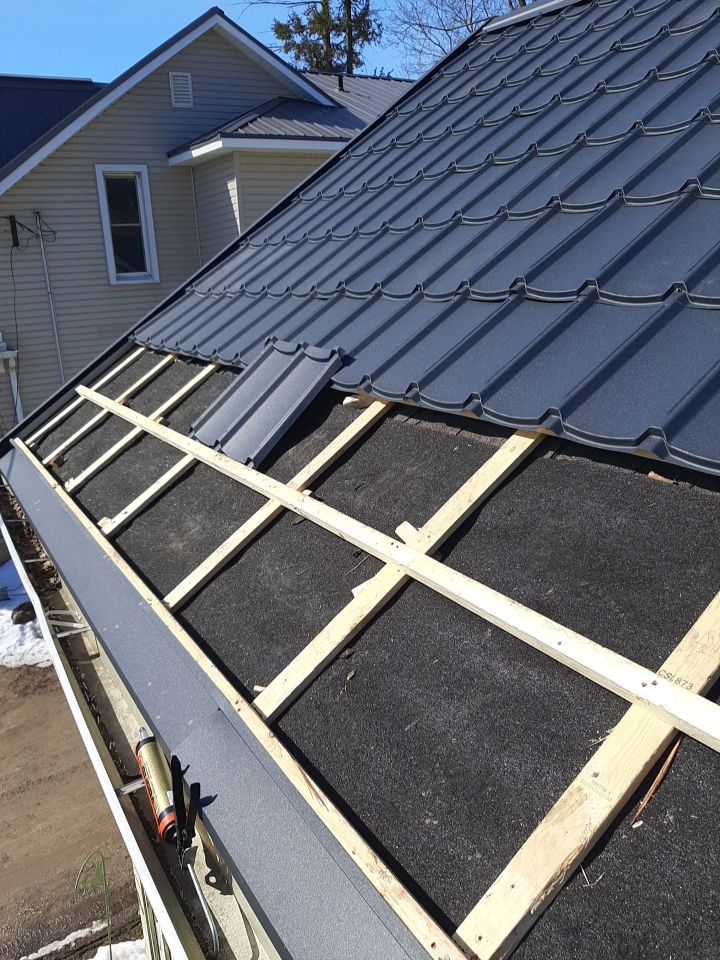
Choosing roofing materials compatible with your roof’s pitch is critical:
- Asphalt shingles are most effective on moderate to steep pitches (4/12 and higher), providing a cost-effective and aesthetically pleasing solution for many residential properties, offering good durability and a wide range of styles to choose from.
- Metal roofing is versatile, suitable for almost all pitches due to its excellent drainage capabilities, and is known for its exceptional longevity, energy efficiency, and resistance to harsh weather conditions, making it a sustainable choice.
- Flat roofs (below 3/12) require specialized materials such as EPDM rubber, modified bitumen, or TPO membranes to ensure complete waterproofing.
Selecting the correct material aligned with your roof’s pitch ensures longevity and reduces long-term costs.
Energy Efficiency and Ventilation
Roof pitch directly affects your home’s energy efficiency and ventilation capabilities:
- Steeper roofs generally allow better airflow in attics, reducing heat buildup and improving overall home comfort. This design naturally facilitates the escape of hot air, minimizing reliance on mechanical cooling systems and contributing to a more pleasant indoor environment throughout the year.
- Proper ventilation in moderately pitched roofs can significantly lower energy costs by preventing heat and moisture accumulation. Effective attic ventilation helps to expel trapped heat, thereby reducing the workload on air conditioning units and mitigating potential issues like mould growth and premature deterioration of roofing materials.
- Low-pitched roofs must be meticulously insulated and ventilated to avoid heat loss in winter and overheating in summer. Due to their limited attic space, careful attention to these details is crucial for maintaining stable indoor temperatures, preventing condensation, and ensuring long-term structural integrity.
Investing in proper attic insulation and ventilation tailored to your roof’s pitch is a wise long-term decision.
Aesthetic Considerations and Home Value
Your roof’s pitch dramatically impacts your home’s architectural style and curb appeal:
- Steep-pitch roofs are visually striking and enhance traditional styles such as Victorian, Tudor, and Colonial, often creating expansive attics or vaulted ceilings that add character and potential living space, making them a popular choice for historical authenticity.
- Moderate pitches suit contemporary and transitional home designs, providing a versatile look that balances aesthetic appeal with practical considerations like drainage and ease of maintenance, making them adaptable for various climates and architectural trends.
- Low pitches complement modern, minimalist architectural styles, offering sleek lines and a subtle profile that emphasizes the building’s horizontal elements, creating a sense of openness and integrating seamlessly with arid or desert landscapes.
An attractive, well-maintained roof increases your home’s market value, making roof pitch a worthwhile investment consideration.
Challenges and Costs of Changing Roof Pitch

Altering a roof pitch can significantly impact your budget and project timeline. Increasing pitch typically involves extensive structural changes, requiring professional architects and engineers. Decreasing pitch might be simpler, but it still demands structural analysis and new waterproofing solutions. Costs can vary substantially based on the complexity, materials, and labour involved.
Before changing your roof’s pitch, always consult with professionals who understand local building codes and climate considerations specific to the Waterloo Region.
Choosing the Right Roof Pitch for Your Home
Selecting the optimal roof pitch involves balancing aesthetics, climate considerations, structural implications, and budget constraints:
- Evaluate your home’s architectural style and aesthetic goals to ensure the new roof complements its existing design and enhances curb appeal. Consider colour, texture, and material.
- Consider your maintenance preferences and capabilities when choosing roofing materials. Some options require more frequent cleaning or repairs than others, so factor in your availability and budget for upkeep.
- Assess local weather patterns and necessary performance standards, including wind resistance, snow load capacity, and UV protection. Choose materials that can withstand your region’s specific environmental challenges for longevity.
- Consult roofing professionals to ensure your choice meets local building codes and structural safety requirements. They can also provide insights on material suitability, installation techniques, and warranty information for peace of mind.
When to Consult Roofing Experts
Making informed decisions about roof pitch can feel overwhelming. Consulting roofing professionals, especially those experienced with Waterloo Region’s unique climate, can significantly simplify the process and ensure a long-lasting, high-performance roof.
How We Can Help
At Roofman, our experienced roofing specialists provide personalized advice tailored specifically to Waterloo Region homes. Whether you’re building new, renovating, or maintaining an existing roof, our expert guidance ensures your roofing system perfectly aligns with your home’s unique needs and local environmental challenges.
We offer:
- Comprehensive roofing consultations and assessments.
- Professional recommendations tailored to your home’s architectural style and budget.
- Quality materials matched to your roof’s pitch for maximum performance.
- Skilled, reliable installation and ongoing maintenance support.
More Than Just a Roof Pitch Guide for the Waterloo Region
Choosing the right roof pitch isn’t merely about aesthetics—it’s a critical decision impacting your home’s safety, energy efficiency, and long-term value. Waterloo Region homeowners must consider local climate, material compatibility, maintenance demands, and budget constraints carefully. By understanding roof pitch basics and consulting professional roofing experts like those at Roofman, you ensure your home remains safe, comfortable, and visually appealing for years to come. Ready to discuss your roofing needs or explore pitch options further?
Contact us today for expert advice and professional service you can trust.