
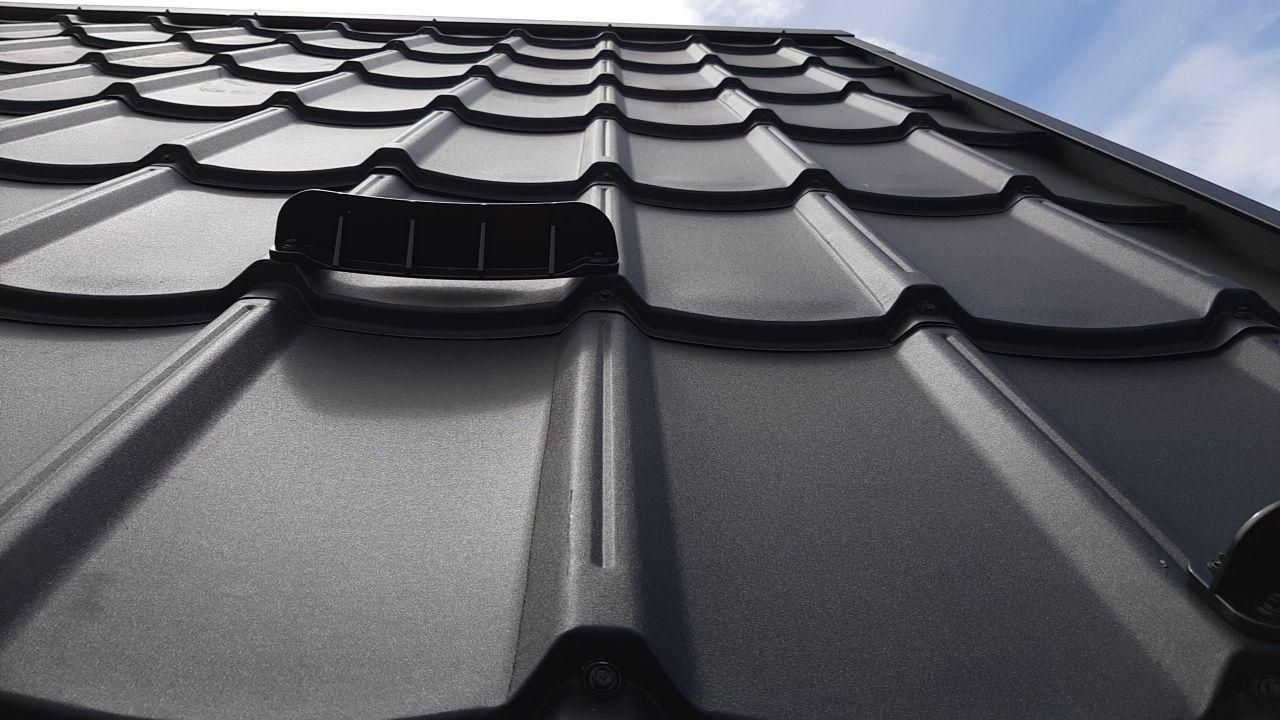
When you start comparing standing seam metal roof vs shingles, it quickly becomes clear why roofing choices cause stress for homeowners. Your roof protects the structure, influences comfort and energy bills, and affects resale value. Picking the wrong system can lead to leaks, unwanted noise or a shorter service life.
For many, asphalt shingles are the familiar option. They’re relatively affordable, widely available and easy to install, but they usually last just 15–30 years. Standing seam metal roof vs shingles comparisons show metal systems might cost more up front yet provide 40–70 years of service. What’s less obvious is how factors like coatings, hidden fasteners, ventilation and installation quality influence performance.
As you read, you’ll see how the long-term benefits of a metal roof-including energy efficiency, weather resistance and higher resale value-stack up against the simplicity and affordability of shingles. You’ll also learn how The Roofman’s dedicated project managers, premium materials and Master Elite certification ensure your project is handled with care. By the end, you’ll be confident about choosing the right roof for your home-and ready to standing seam metal roof vs shingles decision with an informed perspective.
Where Each Option Shines
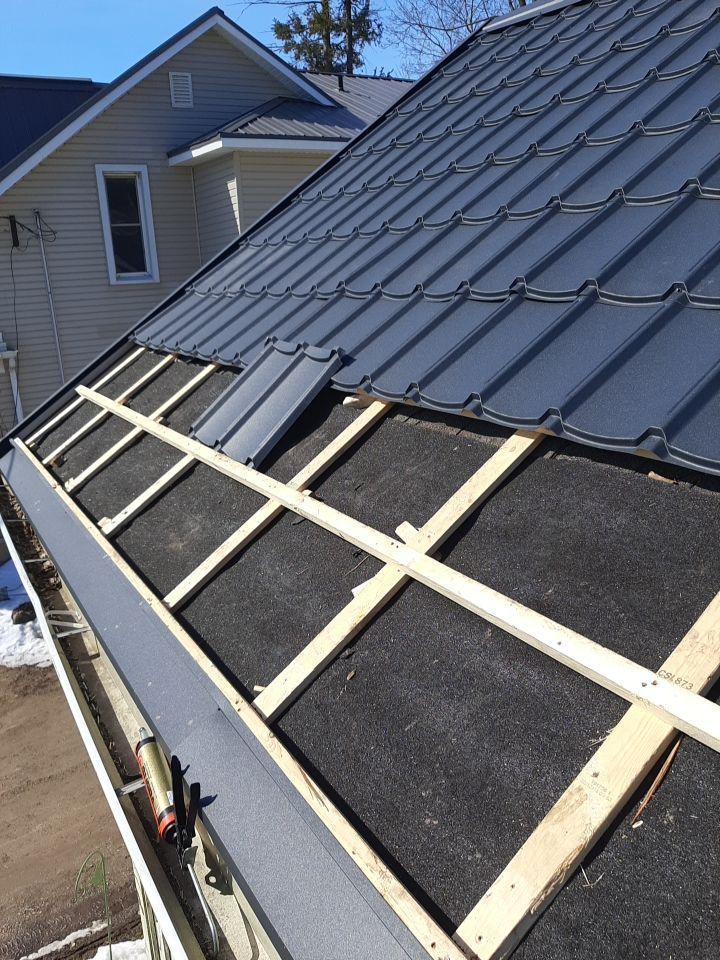
A standing seam metal roof vs shingles comparison begins with understanding how each system is built. Standing seam roofs feature long metal panels with raised vertical legs and flat areas between them. Fasteners are concealed under clips or flanges, so rain and snow cannot penetrate screw holes. The result is a sleek, modern look that suits both contemporary and traditional homes. Because panels attach to clips, they allow thermal expansion and contraction, reducing stress on the roof.
Asphalt shingles, on the other hand, are laid in overlapping rows and fastened directly through the surface. They’re less costly to buy and install than metal and easier to repair. If your neighbourhood has strict design guidelines, shingles may blend in better with nearby roofs. But they contain petroleum-based material that can warp or crack over time, especially if the attic isn’t well ventilated.
Metal roofs excel in extreme weather. Engineered standing seam systems are tested for wind uplift, water penetration and impact resistance. Premium paint systems reflect sunlight and resist fading, helping to keep your attic cooler and your energy bills lower. When comparing standing seam metal roof vs shingles, you’ll notice that metal roofs can handle winds of 110–160 mph (180–260 km/h) if properly installed, whereas architectural shingles rated for high winds still require careful nailing patterns and sealants.
Coatings, Fasteners, & Ventilation
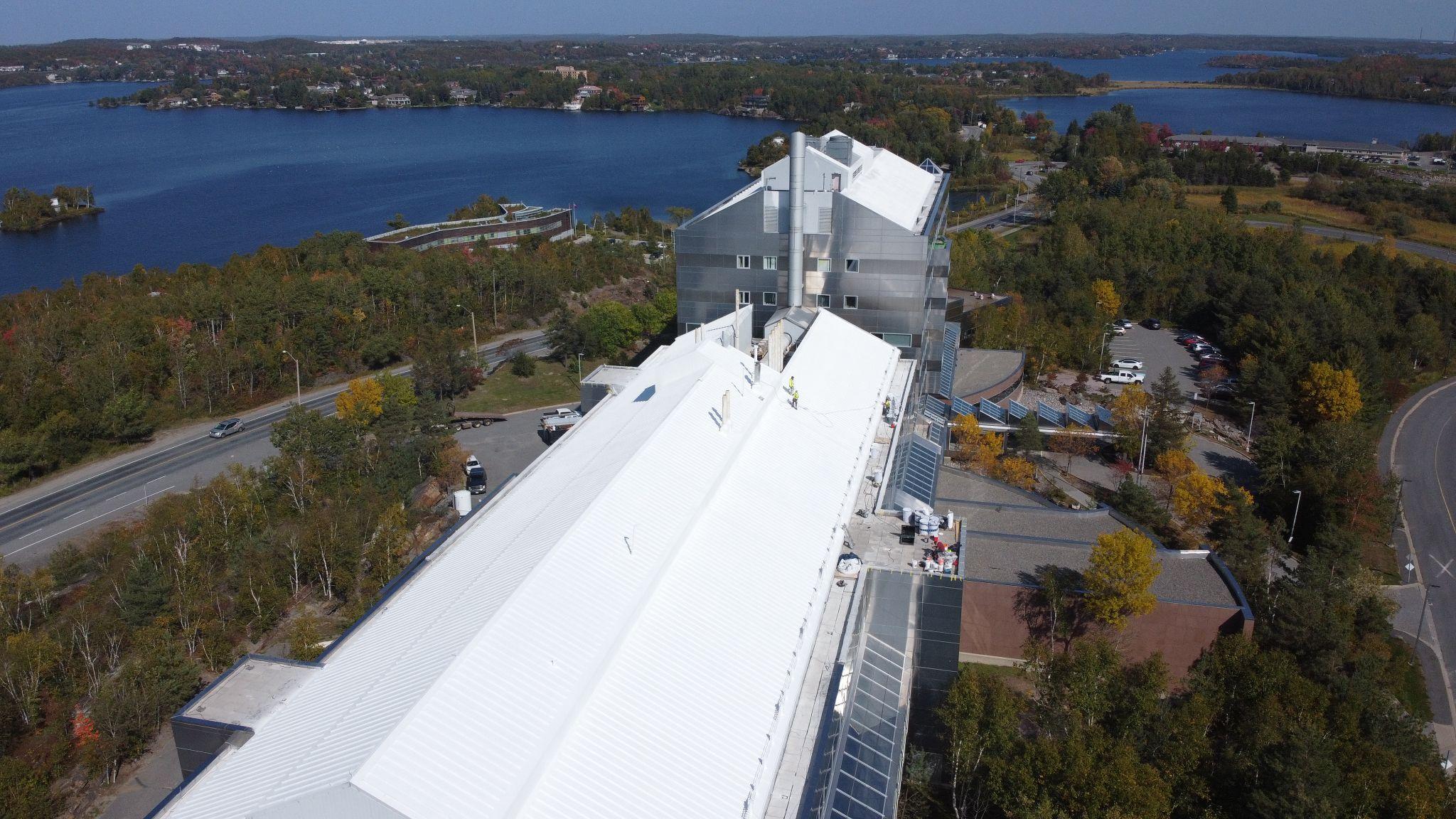
The longevity of your roof may be the biggest factor when weighing standing seam metal roof vs shingles. According to construction experts, metal roofs last 40–70 years, with some standing seam systems reaching 50–75 years. Asphalt shingles typically last 15–30 years. The disparity widens if you consider hidden fasteners and protective coatings.
Metal longevity comes from a combination of material and design. Panels made with galvanized or Galvalume® steel resist rust. Coatings such as PVDF or Silicone-Modified Polyester provide up to 40 years of paint integrity and colour retention. Hidden clips eliminate exposed screws that can loosen, allowing moisture to seep in. On a shingle roof, fasteners penetrate the surface, and wind can lift the edges, pulling nails loose over time.
Ventilation matters for both systems. A poorly ventilated attic can trap heat and moisture, leading to premature shingle deterioration and structural damage. Standing seam roofs often incorporate ventilation channels and ridge vents to prevent condensation. When you evaluate standing seam metal roof vs shingles, pay attention to your contractor’s approach to ventilation. The Roofman’s quality control ensures consistent installation methods across every project.
Standing Seam Metal Roof Pros & Cons For Your Home
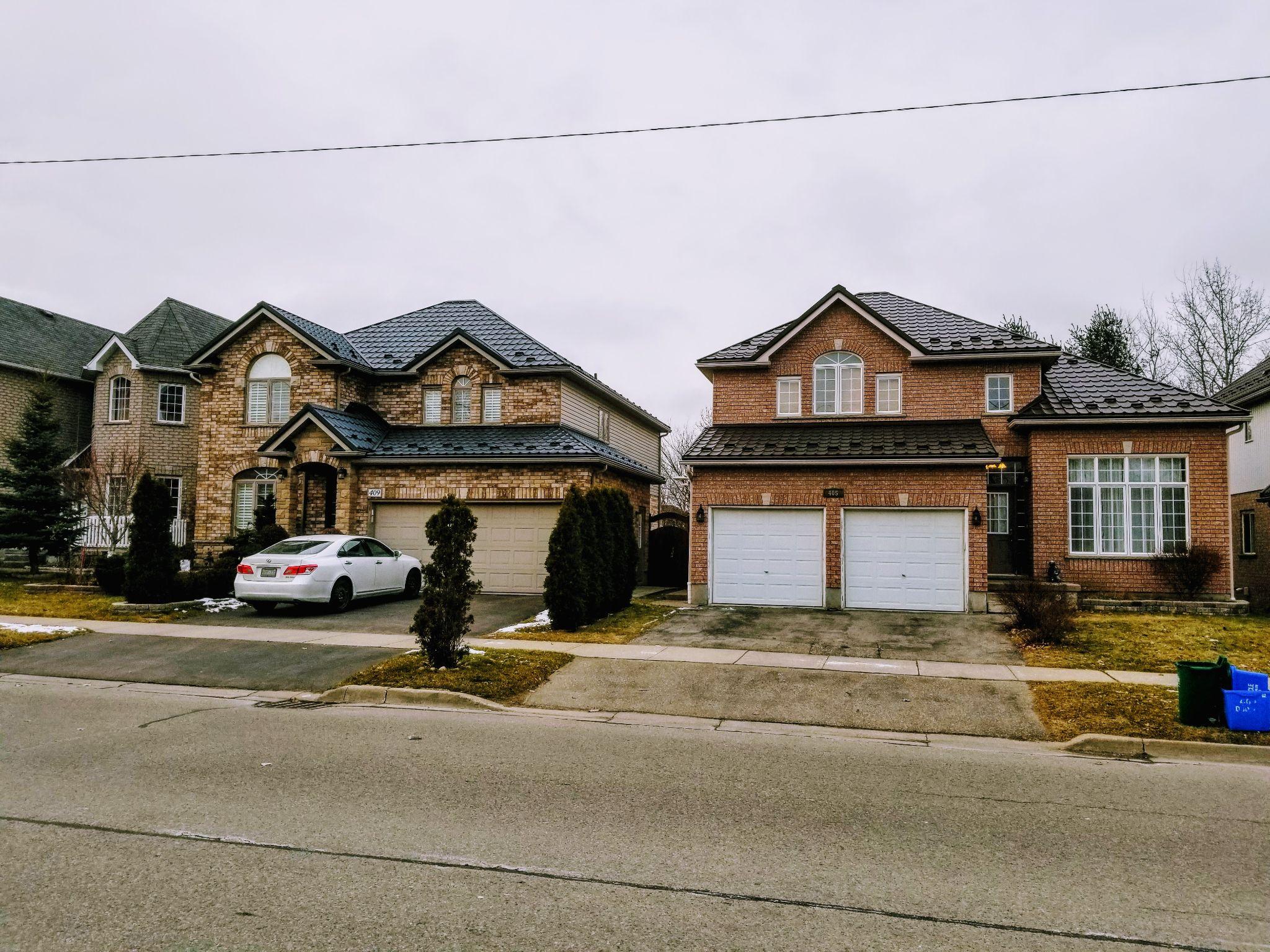
Before you decide, it helps to see the advantages and disadvantages laid out clearly. Here’s how standing seam metal roofs vs shingles stack up:
Advantages Of Standing Seam Metal Roofs
- Durability and longevity: Metal panels can last 50–75 years, meaning you may never need another roof. They resist fire, hail and high winds, and offer superior leak protection because there are no exposed fasteners.
- Energy efficiency: Metal reflects solar radiant heat, reducing cooling costs. Proper insulation beneath the panels keeps warmth inside during winter.
- Low maintenance: Hidden clips and quality coatings minimize the need for frequent repairs or re-coating. Unlike asphalt, metal doesn’t shed granules or warp.
- Environmental benefits: Many metal roofs are made with recycled steel and are fully recyclable at the end of their life.
Advantages Of Asphalt Shingles
- Upfront affordability: Shingles are less expensive to install, making them attractive if you’re on a tight budget.
- Widespread availability: Most roofing contractors are familiar with shingles, and materials come in various colours and styles.
- Sound dampening: Asphalt tends to absorb rain noise more readily than thin metal, although the difference is smaller than many homeowners think.
Drawbacks To Consider
- Metal roofs cost more initially: A standing seam system can cost two to three times as much as an asphalt roof. The long lifespan often offsets the price over time, but you must be prepared for a higher upfront investment.
- Fewer installers: Installation requires specialized training. The Roofman is one of the few Master Elite contractors in the Waterloo region, which ensures your roof meets manufacturer standards.
- Shingle roofs have shorter life and more maintenance: Shingles can crack, curl or lose granules, and they’re more vulnerable to wind uplift.
- Aesthetics: Metal roofs have a distinct look that some homeowners love and others may not. It’s important to consider your home’s style and neighbourhood guidelines.
Are Metal Roofs Noisy In Rain Or Hail?
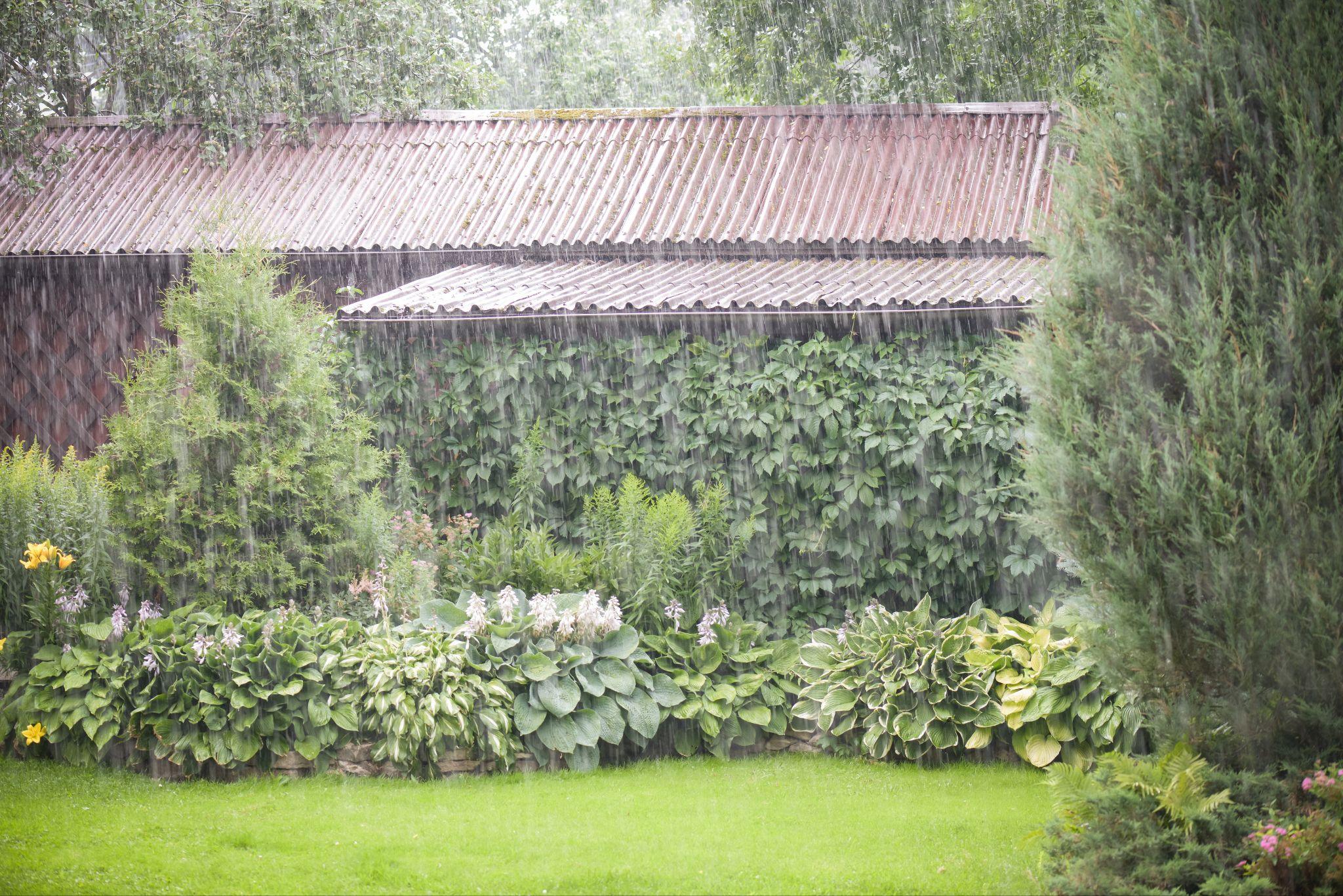
Many homeowners worry that the standing seam metal roof vs shingles choice will turn their home into a drum during storms. While metal naturally amplifies sound, modern installation techniques significantly reduce noise. Research comparing rain noise found that rainfall on asphalt shingles measures about 46 dBA, while rain on a metal roof is about 52 dBA. A 6 dB difference is below the threshold most people can detect, especially when both roofs are installed over a solid deck and insulated properly.
If you’re still concerned, there are practical steps to dampen sound:
- Solid decking: Installing panels over plywood instead of open framing reduces reverberation.
- Insulation and underlayment: Foam insulation boards and high‑density underlayment absorb sound waves before they reach the interior.
- Attic design: A well‑ventilated attic with insulation on the floor and roof deck will muffle rainfall.
- Quality installation: The Roofman Inc. uses dedicated project managers and quality control inspections, ensuring your roof has the right materials and techniques to keep your indoor environment quiet.
When weighing standing seam metal roof vs shingles, remember that asphalt may be naturally quieter, but the gap is narrower than myths suggest. The peace of mind from long-term durability often outweighs a marginal increase in sound during heavy rain.
Metal Roof Resale Value vs Shingles: Insurance, Energy, & Maintenance
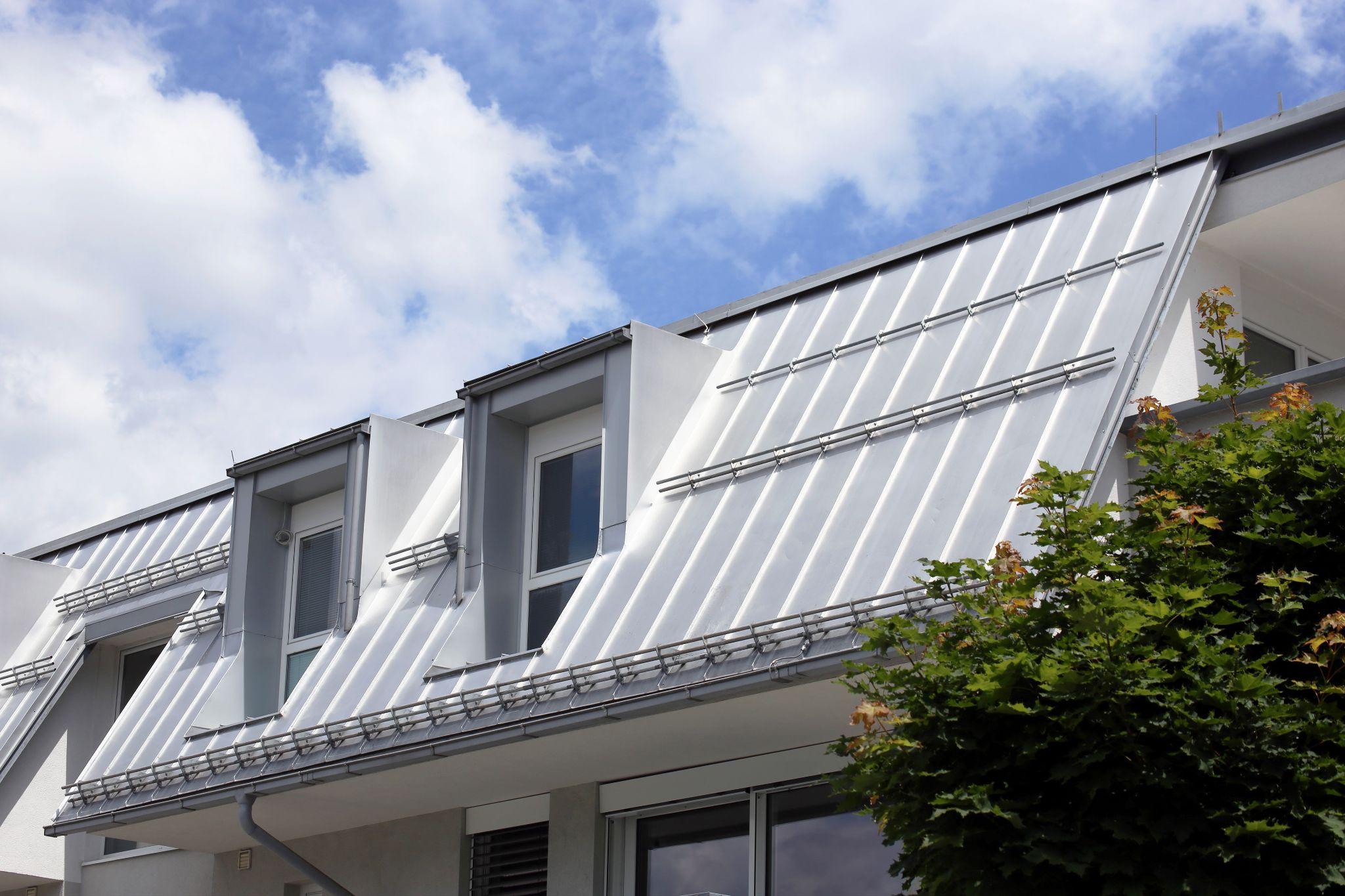
Resale value is often overlooked when comparing standing seam metal roof vs shingles, yet it can significantly affect your return on investment. According to a national cost‑vs‑value report, asphalt roofs have an average resale value of about 57 percent, while metal roofs average around 48 percent. These numbers reflect initial cost differences rather than the buyer’s perception of quality. In practice, metal roofs often add more value because buyers appreciate not having to replace the roof for decades.
Factors That Boost Metal Roof Value
- Long lifespan and warranties: Standing seam roofs may carry warranties up to 50 years, transferrable to the next homeowner. The Roofman offers 25‑year workmanship warranties through Master Elite certification.
- Insurance discounts: Metal roofs resist fire, wind and hail, often qualifying for lower insurance premiums. Asphalt roofs, though cheaper up front, may not offer such savings.
- Energy efficiency: Reflective coatings reduce cooling loads, which appeals to eco‑conscious buyers and lowers your utility costs.
- Low maintenance: With proper installation, metal roofs rarely require repairs or cleaning. Shingle roofs, by contrast, need periodic inspections and may develop leaks at nail penetrations.
For homeowners planning to sell in the future, the standing seam metal roof vs shingles decision boils down to weighing immediate expenses against potential sale price. In many cases, the peace of mind and long‑term savings provided by metal justify the investment.
Rating Labels & Installation Details
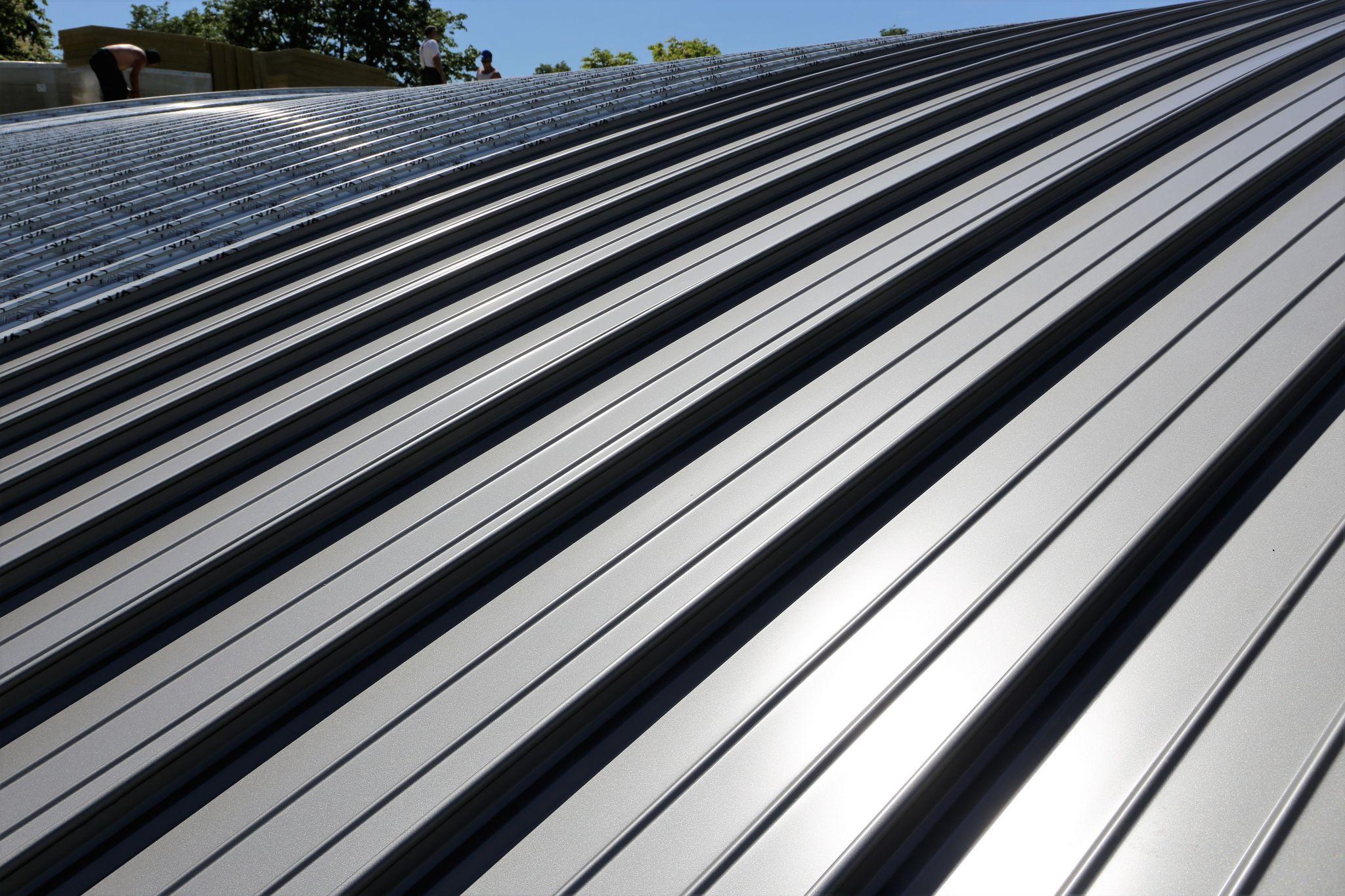
Even if you lean toward shingles, you can improve performance in windy regions. High‑wind shingles are often laminated architectural shingles rated between 110 and 160 mph (180–260 km/h). Manufacturers label packages with wind‑resistance ratings and offer specific installation guidelines.
When comparing standing seam metal roof vs shingles, keep these installation tips in mind for shingles in high‑wind areas:
- Starter strips and sealant: Use factory‑applied sealant strips along eaves and rakes to lock shingles down.
- Proper nailing: Follow high‑wind nailing patterns recommended by the manufacturer (usually six nails per shingle instead of four) and ensure nails penetrate the deck, not just underlayment.
- Synthetic underlayment: Reinforced underlayment provides an added barrier against wind‑driven rain.
- Ventilation: Adequate attic ventilation reduces uplift pressure and prevents trapped moisture that can damage shingles.
Though asphalt shingles with high‑wind ratings perform better than standard shingles, metal roofs still outperform them in extreme weather. For homeowners in areas prone to storms, standing seam metal roof vs shingles evaluations often favour metal for its robust attachment systems and engineered wind‑uplift testing.
How Roof, Siding, & Eavestroughs Work Together

A roof isn’t just functional; it’s a major design element. When selecting between standing seam metal roof vs shingles, think about how colours and textures complement your siding, eavestroughs and fascia. Metal panels come in a range of pre‑finished colours, often with matte or low‑gloss coatings that resist fading. Because panels are long and continuous, they create clean lines that pair well with contemporary or farmhouse styles.
Asphalt shingles offer more patterns and granule colours, allowing you to match heritage homes or blend into established neighbourhoods. For high‑end appeal, architectural shingles with dimension and shadow lines provide texture. When you work with The Roofman, you get access to premium shingle lines and metal panels that coordinate with your home’s eavestroughs, fascia and siding.
If you’re planning to replace gutters or siding along with your roof, consider how colours will flow from roof to ground. A cohesive palette adds curb appeal and may enhance resale value. Our project managers can help you visualize combinations and ensure everything—from drip edge to soffit—creates a unified look.
When To Replace Gutters, Fascia, Or Siding At The Same Time As Your Roof
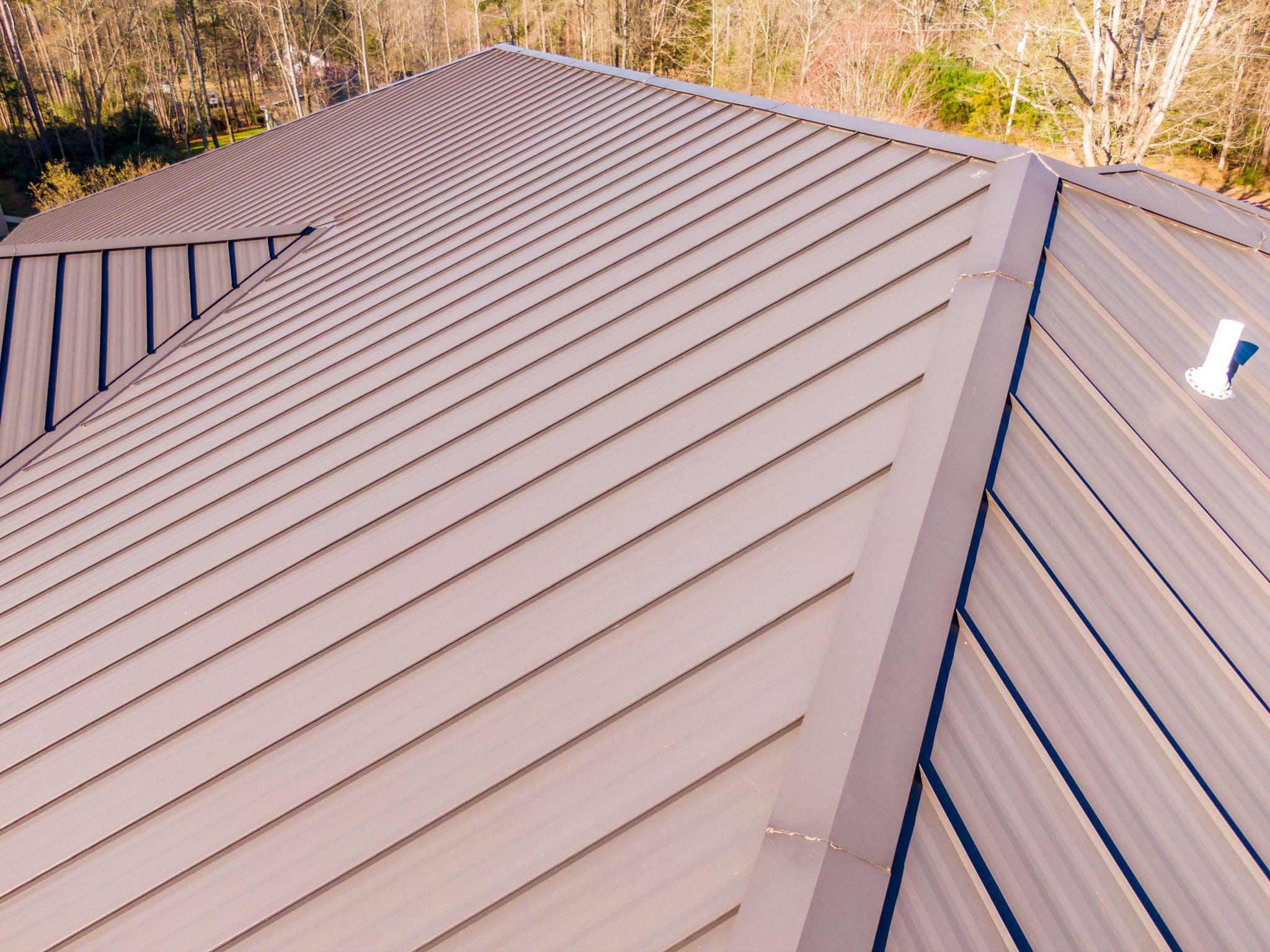
Replacing your roof is a significant investment, so it makes sense to tackle other exterior components at the same time. Here’s what to consider when deciding whether to bundle gutters, fascia or siding replacement with your standing seam metal roof vs shingles project:
- Old or damaged gutters: If your gutters are sagging, leaking or clogged, removing them may be necessary to install drip edges. Replacing them during roof work saves labour and prevents water damage.
- Water stains or fascia rot: Discolouration or soft fascia boards indicate moisture problems. Replacing fascia and soffits ensures proper ventilation and prevents future rot.
- Upgrading gutter size or style: Oversized eavestroughs handle heavy rainfall better and reduce overflow. Doing this while the roofing crew is on site avoids additional mobilization.
- Siding replacement: When siding is aged or you desire a new look, replacing it alongside the roof yields a coordinated appearance and better insulation.
Bundling these tasks can reduce overall costs because crews can work efficiently on scaffolds once. The Roofman employs a quality control inspector to ensure each component is installed to consistent standards. This attention to detail protects your investment and improves your home’s long‑term performance.
Wrapping Up Your Roofing Decision
Your roof is more than just a covering; it’s an investment in safety, comfort and the value of your home. Comparing standing seam metal roof vs shingles reveals significant differences in durability, cost, maintenance and appearance. Metal roofs last decades longer, resist extreme weather and can offer energy savings, while asphalt shingles remain affordable and widely available.
Think about how long you plan to stay in your home, your local climate and whether you value long‑term protection over lower upfront costs. Consider the benefits of high‑wind shingles if you opt for asphalt, and don’t overlook the importance of ventilation and proper installation for any system. With dedicated project managers, high‑end materials and Master Elite status, The Roofman ensures that whichever path you choose, your roof will be installed with care and backed by strong warranties.
Whether you’re leaning toward metal or asphalt, the next step is to work with a qualified professional who listens to your needs. Ready to make an informed choice? Request an estimate and discover how a well‑planned roof replacement can enhance your home’s protection and curb appeal.