
Winter in the Kitchener-Waterloo Region can put a lot of stress on your home. You might step outside and see heavy icicles hanging along the eaves, or perhaps you’ve noticed a faint, growing discoloration and are wondering why are there water stains on the ceiling in winter when there hasn’t been any rain. These symptoms often catch homeowners off guard, and cause concern that the roof has failed.
It’s easy to assume the shingles are the only source of the moisture, but the reality is often more complex: many winter issues actually start inside the home. When warm air escapes into your attic, it creates a hidden cycle of frost in the attic in winter and drainage issues that can damage your roof deck from the inside out.
The good news is that these issues are preventable. Understanding how your attic works as a system is the first step toward a dry home. For this, read our blog Roof Maintenance: Why Attic Insulation and Ventilation Can Make All The Difference, which explains how to achieve a balanced system, from air sealing and insulation to the critical balance of intake and exhaust ventilation.
This FAQ guide is designed to help you troubleshoot the specific symptoms you are seeing right now. Read on for quick answers to your most urgent questions—from what causes ice dams on roofs to identifying moisture at the source—so you can learn how to prevent ice dams for good.
Attic Condensation Vs Roof Leak: How Can I Tell The Difference?
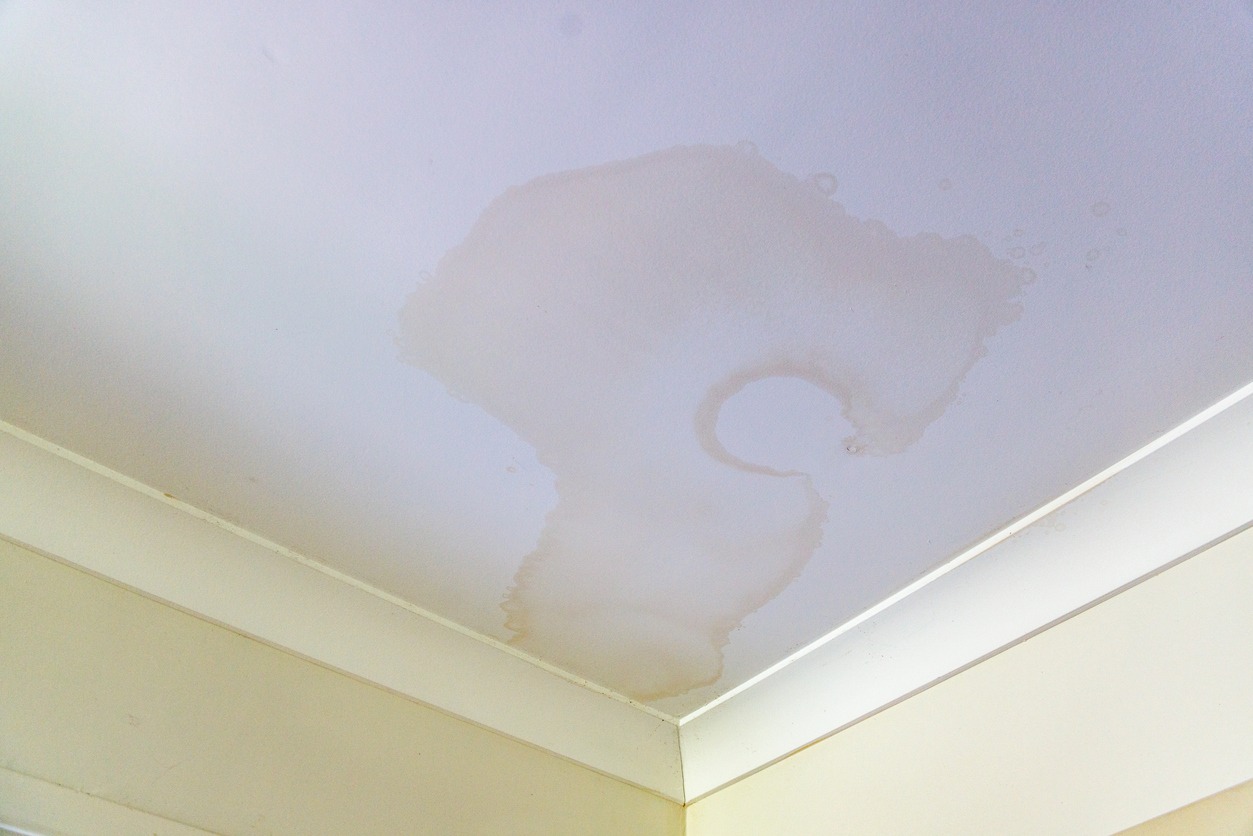
One of the most common concerns during winter is whether indoor moisture is coming from a hole in the roof or from the attic itself. The attic condensation vs roof leak question often comes down to timing and location.
A quick attic inspection is the best way to make the difference clearer. While a roof leak usually appears during active rain or heavy snow melt—following a consistent path downward along rafters—condensation behaves differently. It forms when warm indoor air reaches cold attic surfaces, where it then freezes or collects.
When you look inside your attic, you may be dealing with condensation if you notice:
- Frost on roof nails or the underside of the wood roof deck.
- Damp insulation spread across several areas rather than one single spot.
- Drips appearing specifically when the weather warms slightly (the “thaw”).
- Moisture during deep freezes rather than during rainstorms.
If the wood is damp across a wide area but the shingles look fine from the outside, the issue is likely rooted in your attic’s insulation and ventilation balance.
Why Are There Water Stains On The Ceiling In Winter?
Homeowners may find themselves asking why there are water stains on the ceiling in winter when no rain has fallen. The answer usually lies in “air bypasses”, which are tiny gaps where heat escapes your living space.
During colder months, warm air inside your home rises and escapes through openings around pot lights, attic hatches, or ducting. When that warm air reaches the attic, it hits freezing surfaces and turns into frost in the attic in winter. As soon as the sun warms the roof or the outdoor temperature rises, that frost melts and drips back down onto your drywall.
These stains may appear small at first, but they will return repeatedly during cold weather if the air leaks aren’t stopped. This is why it is often best to start with air sealing; without it, even new insulation won’t stop the moisture from forming.
What Causes Ice Dams On Roofs After A Snowfall?
On a healthy, well-balanced roof, snow should stay frozen and melt evenly across the entire surface. When ice dams form, it is a symptom that your attic system is failing to maintain a uniform temperature.
The cycle of ice dam formation roofs looks like this:
- Uneven Melting: Heat leaks into the attic, melting snow on the upper roof while the eaves stay freezing.
- Flow and Freeze: Meltwater runs down to the cold roof edge and freezes into a ridge.
- The Dam: This ice ridge traps water, which can eventually force its way under your shingles.
This temperature imbalance is often worsened by frost in the attic in winter. To fix the root cause, you need to keep the roof deck consistently cold through proper insulation and ventilation.
How To Prevent Ice Dams Without Quick-Fix Gadgets
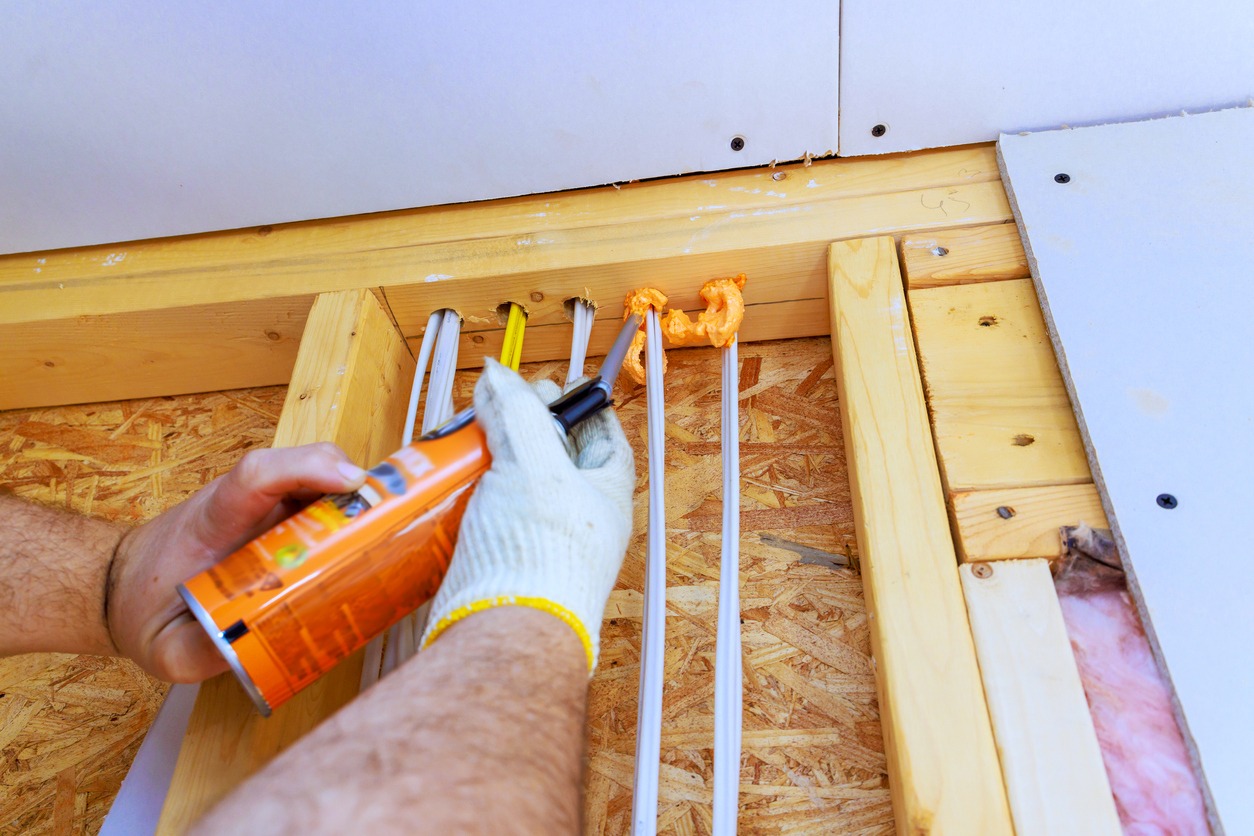
When searching how to prevent ice dams, many homeowners encounter short-term solutions like heat cables or salt pucks. These only treat the symptoms and do little to address the root issue.
Long-lasting prevention requires fixing the attic’s thermal environment so the roof deck stays consistently cold. Focus on these core steps:
- Seal air gaps: Close the openings between your living space and the attic to stop heat from escaping.
- Even insulation: Ensure insulation covers the attic floor uniformly.
- Clear ventilation: Maintain open airflow from soffit vents to roof vents to flush out any remaining heat.
- Humidity control: Keep indoor humidity at a reasonable level so less moisture enters the attic space.
These steps help the roof surface stay consistently cold, which is the most reliable way to prevent ice buildup.
Is Frost In The Attic In Winter Always A Problem?
Seeing frost in the attic in winter can be surprising, but it isn’t always a cause for panic. During extreme cold snaps, it is common for a tiny amount of moisture to freeze on cold metal fasteners (like nails) or wood surfaces.
The issue becomes a real concern when that frost moves beyond a light dusting and becomes widespread or thick. Heavy frost indicates a high volume of trapped moisture; when the attic warms up, all that ice melts at once. This “attic rain” can soak your insulation, rendering it less effective and potentially leading to wood rot or mold.
If you notice thick frost forming repeatedly, it is a clear signal that attic condensation is occurring more often than it should. Monitoring the attic during a sudden warm-up will help you see if the frost is melting away harmlessly or creating damp spots on your ceiling.
Why Do Icicles Form Even When Shingles Look Fine?

Icicles may look like a classic winter scene, but they are actually a visual warning that your roof temperature is uneven.
When heat escapes from the attic, snow begins to melt on the upper roof surface, even if the outdoor air is well below freezing. That water flows downward until it reaches the colder eaves and freezes instantly.
The result is a row of icicles along the edge of your roof. Even when your shingles are in perfect condition, internal heat movement and attic condensation can create these conditions, signalling that your insulation or air sealing may need attention.
Can Bath Fan Ducting Cause Attic Moisture Problems?
Bathroom ventilation plays a major role in your home’s humidity levels. A bath fan causing attic moisture is common when the ductwork is disconnected or vents directly into the attic instead of outside the home. This sends a concentrated blast of hot, humid air straight onto cold wood surfaces, where it quickly freezes.
Signs your bathroom ventilation is creating attic issues include:
- Targeted frost: Thick frost on the framing specifically around the fan or duct line.
- Soggy insulation: Damp patches of insulation directly under the duct outlet.
- Localized staining: Water marks on the ceiling near the fan housing.
Ensuring the duct is insulated and exits through a dedicated roof or wall vent is the best way to prevent this localized moisture buildup.
What Should I Check First: Vents, Insulation, Or Air Leaks?
When investigating attic moisture, professionals follow a specific sequence. This ensures you aren’t adding more ventilation to a problem that actually requires sealing.
The most effective order typically looks like this:
- Air Sealing: Stop warm house air from leaking into the attic through gaps and bypasses.
- Insulation Coverage: Ensure a consistent layer to slow the transfer of heat from your living space.
- Ventilation Balance: Maintain a proper mix of intake and exhaust to flush out any remaining heat or moisture.
Air leaks provide the “fuel” for moisture issues, while insulation slows the heat down. Ventilation is the final step that helps maintain consistent attic temperatures.
Why Does Attic Condensation Show Up During Cold Snaps?
Moisture problems often peak during extended cold weather because the temperature difference between your home and the outdoors is at its widest. When roof surfaces hit sub-zero temperatures, any warm air leaking into the attic cools rapidly upon contact, turning into frost and condensation almost instantly.
A cold snap doesn’t usually cause a structural roof failure; instead, it acts as a sort of storage phase for moisture. The air leaks allow frost to accumulate on the underside of your roof for days or weeks. As soon as the sun hits the roof or the temperature rises, that accumulated frost melts all at once. This is why you might suddenly notice there are water stains on the ceiling in winter; you’re seeing the thaw of a moisture problem that built up during the freeze.
What Should I Look For Around Chimneys And Plumbing Stacks?
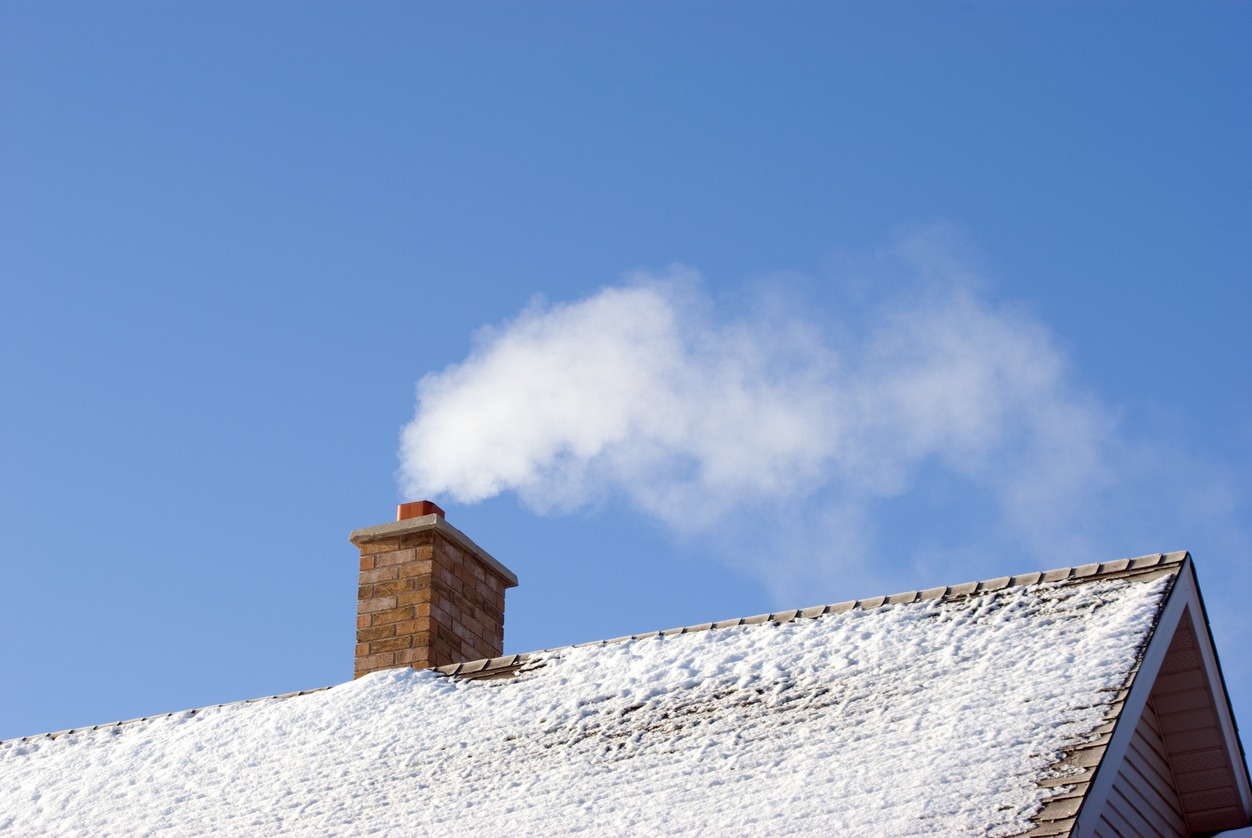
Chimneys and plumbing stacks create necessary openings through your roof and ceiling, however if these areas are not sealed carefully, they act as “air bypasses” where warm indoor air escapes directly into the attic.
When inspecting around these penetrations, look for:
- Cracked or missing sealing materials: Check where the pipe or masonry meets the ceiling drywall.
- Discoloured insulation: If the insulation looks grey or dirty near the opening, it’s a sign that it is trapping dust from the air escaping your home.
- Localized frost or moisture on the roof deck immediately surrounding chimneys and plumbing stacks.
Small gaps around these features often allow enough warm air into the attic to trigger attic condensation in winter in that specific area.
Do Attic Fans Help In Winter Conditions?
Attic fans are primarily designed to remove trapped heat during the summer months. In winter, they rarely address the root causes of attic condensation.
In some situations, a powerful fan can even be counterproductive; it may create a vacuum that draws more warm, moist air into the attic through ceiling leaks. Focusing on air sealing and insulation usually provides a more effective, long-term solution.
Why Do I See Moisture Only On North-Facing Roof Areas?
Roof sections facing north receive the least sunlight during the winter. Without the sun’s warmth to help regulate the temperature of the shingles and wood deck, these areas stay colder for much longer periods.
Because moisture is more likely to condense on the coldest available surfaces, attic condensation often appears unevenly. You may see heavy frost or dampness on the north side of your attic, while the south side—warmed by the sun—remains completely dry.
Can Blocked Soffits Lead To Ice Buildup At The Eaves?

Yes. Soffit vents (located under the eaves) allow fresh, cold air to enter the attic and move upward through the ventilation system. This constant flow is what keeps the roof deck at a uniform temperature.
When insulation, bird nests, or debris block these vents, airflow becomes restricted. Warm air lingers inside the attic instead of being flushed out, heating up the roof deck and creating the perfect conditions for ice buildup along the roof edge. Keeping soffits clear helps to maintain consistent airflow and reduce winter moisture concerns.
What Should I Document Before Calling A Professional?
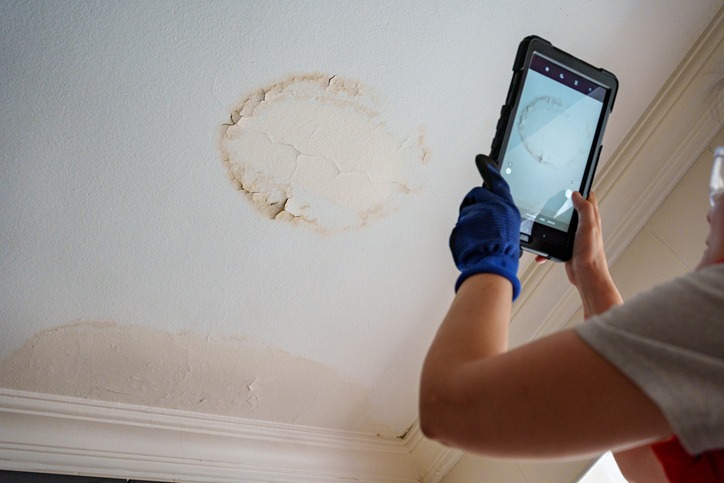
If you notice signs of moisture, gathering a few details helps a professional diagnose the issue much faster.
We recommend the following:
- Take photos of any attic frost, damp insulation, or water droplets on wood surfaces.
- Note location of exactly where ceiling stains appear (e.g., near bathroom fans, chimneys, or attic hatches).
- Track timing and weather patterns. For example, did the drips start during a deep freeze, or did they only appear once it started to thaw?
This context helps us determine if you’re dealing with attic condensation vs a roof leak and therefore how best to proceed with a solution.
What Does A Thorough Roof-And-Attic Inspection Usually Include?
A complete inspection looks at more than just the shingles. Because winter moisture issues are often systemic, a professional should examine the entire attic environment, including:
- Insulation levels: Checking for consistency and proper depth across the attic floor.
- Air leakage points: Identifying gaps in the ceiling around pot lights, hatches, and plumbing stacks.
- Ventilation pathways: Ensuring that air is moving freely from the soffits to the roof vents.
- Moisture signals: Checking for active frost, wood staining, or damp insulation.
At The Roofman, we assign dedicated project managers to guide homeowners through this process. Clear communication and detailed explanations help ensure you understand exactly what the inspection reveals and which steps are necessary to protect your home.
After Fixes, How Long Until Attic Moisture Signs Improve?
Once the underlying moisture issues are corrected, attic conditions usually improve quickly. If airflow and sealing have been properly addressed, frost or light dampness should disappear within a few days. However, if insulation has absorbed a significant amount of moisture, it may take longer to dry out completely.
You don’t have to wait for the next deep freeze to know if the repairs were successful. Professional teams can verify the fix using:
- Thermal Detection: Technology that show where air was leaking and confirm those areas are now properly sealed.
- Airflow Assessment: Checking the movement of air through your vents to ensure the attic environment is stabilized.
While these assessments provide immediate peace of mind, seeing a dry, frost-free attic during the next cold snap is the ultimate proof that your home’s thermal system is working exactly as it should.
Keeping Your Roof System Balanced Through Winter

Winter roof symptoms can be confusing. Icicles, ceiling stains, and attic frost may seem like separate issues, but they are often symptoms of the same underlying imbalance.
When insulation, ventilation, and air sealing work in harmony, your roof system handles extreme weather more effectively. This balance is what protects your home’s thermal performance and prevents moisture damage during the coldest months.
Don’t spend the winter wondering if a ceiling stain is a minor condensation issue or a major structural leak. If you’re ready for a professional diagnosis and a clear path to a dry attic, request an estimate today.
Summary
Many seasonal roof issues actually stem from attic condensation in winter. When warm indoor air hits a freezing roof surface, it creates the frost and dripping water that eventually lead to ceiling stains. By recognizing these early warning signs, you can address your attic’s sealing and ventilation before the moisture leads to permanent damage.