
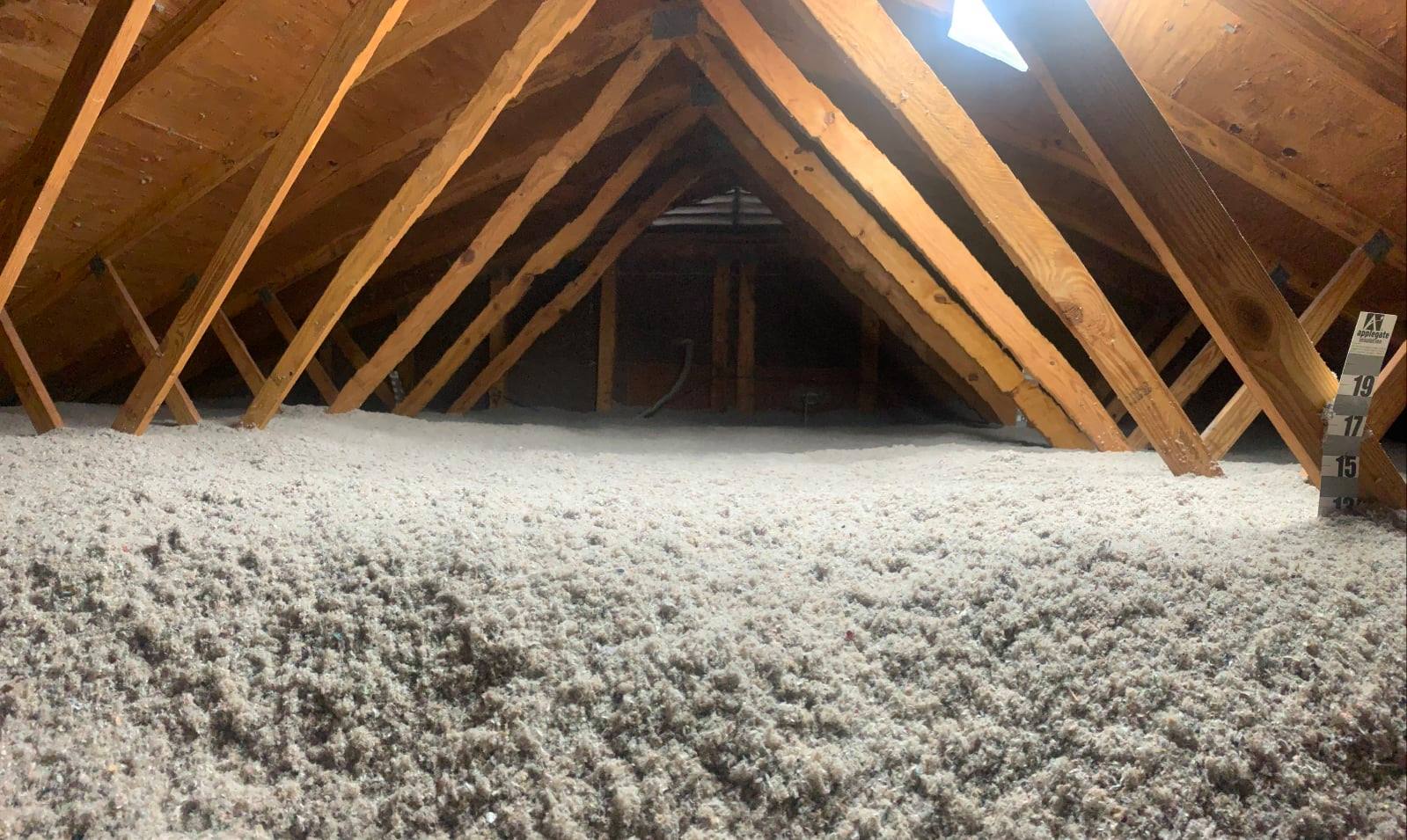
Your attic can show early warning signs long before serious roofing problems appear. Because the attic is part of the roofing system, limited airflow allows heat and moisture to build up over time. These conditions can affect insulation, wood framing, and overall indoor comfort.
In many homes, the signs of poor attic ventilation develop gradually. You may notice unusual smells during winter, frost on wood surfaces, or temperature differences between floors. These symptoms often point to an imbalance within the attic system. Ventilation, insulation, and air sealing normally work together to manage heat and moisture. When one element falls out of balance, the attic struggles to release trapped humidity and warm air.
If these signs of poor attic ventilation look familiar, start with the whole-system overview here: Roof Maintenance: Why Attic Insulation and Ventilation Can Make All The Difference.
Below is a simple checklist that can help you identify possible ventilation concerns in your attic.
1. Frost Or Damp Patches On The Underside Of Roof Sheathing
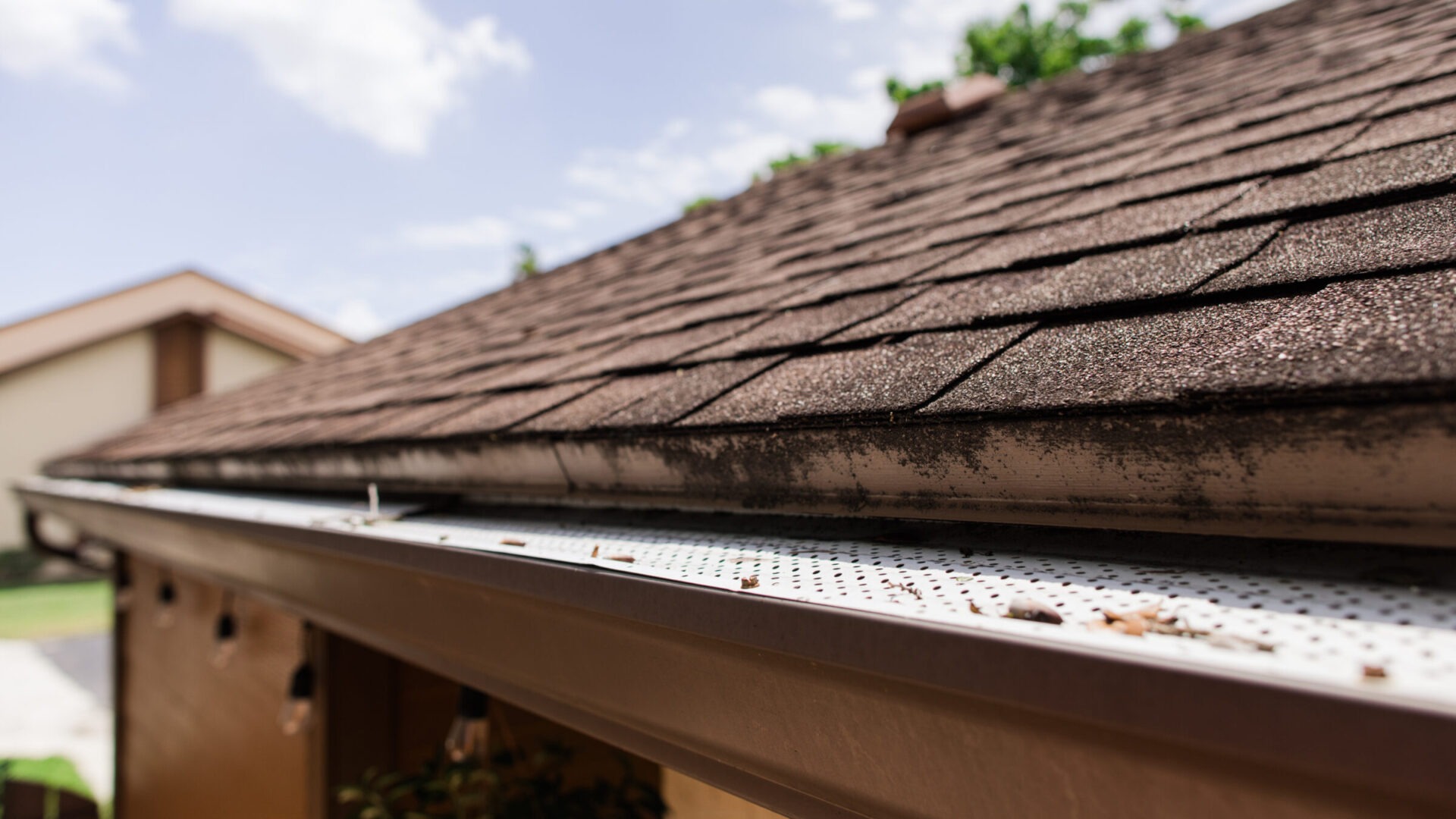
Winter conditions in Ontario create a strong contrast between indoor and outdoor temperatures. Warm air from your home Winter conditions create a strong contrast between indoor and outdoor temperatures. In homes across the Kitchener-Waterloo region, warm air from the house rises into the attic. When ventilation is limited, that warm air meets the cold roof deck and moisture forms.
One of the clearest signs of poor attic ventilation is frost in the attic in winter along the underside of the roof sheathing. As temperatures shift, that frost can melt and leave damp areas on the wood surface.
You might notice:
- Frost crystals on the underside of the roof deck, especially during colder winter days
- Damp wood or dark patches after temperatures briefly warm
- Wet insulation beneath affected areas, where melting frost has dripped
These symptoms are often connected to attic condensation in winter, when moisture cannot escape through the ventilation system. Over time, this repeated freeze-and-thaw cycle can contribute to mould on attic sheathing and other attic ventilation problems.
What To Check Next: Look at intake and exhaust ventilation. Soffit vents should allow fresh air into the attic while ridge or roof vents release warm air outside.
2. Musty Odours That Show Up In Cold Months
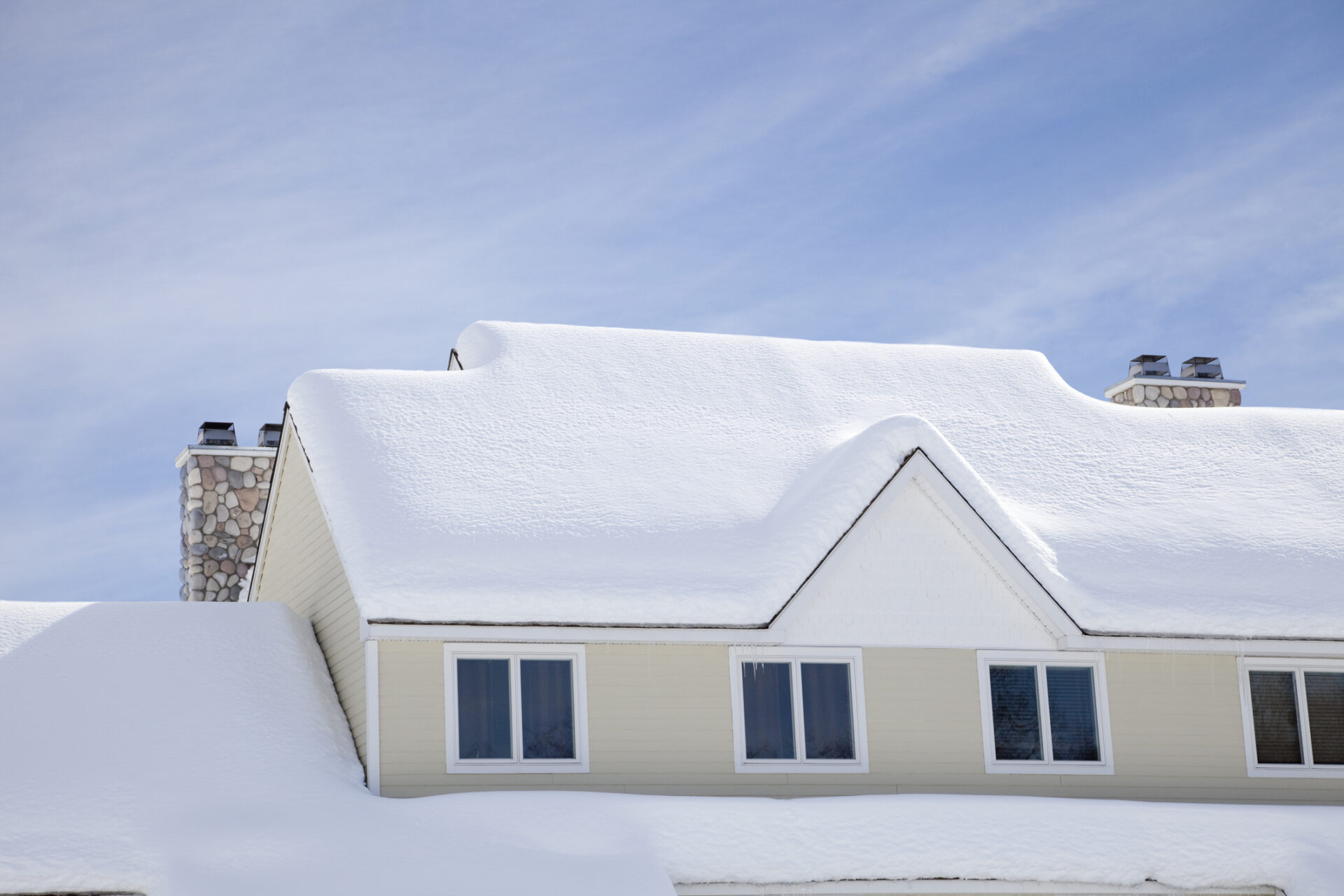
A musty smell appearing in winter is often attributed to the basement, leading many homeowners to overlook the attic as the true source. Because these odours are frequently misidentified, the underlying ventilation issue can go unaddressed for far too long.
One of the subtle signs of poor attic ventilation is a stale smell that develops when temperatures drop. Limited airflow allows humidity to remain trapped in the attic space rather than being cycled out. When you are identifying the cause of a musty smell in the attic, the trail often leads back to these airflow restrictions. When moisture stays in the attic for long periods, it interacts with wood, insulation, and dust, producing a damp odour that can eventually drift into your living areas.
You might notice:
- A damp smell near ceiling vents
- Odours that appear more strongly during cold mornings
- The smell fading when windows are opened
These clues often point to attic ventilation issues rather than indoor air quality or basement issues.
What To Check Next: Inspect attic hatches, light fixtures, and wiring holes. Air sealing around these areas helps prevent warm, moist air from entering the attic and creating these odours in the first place.
3. Bathroom Fan Duct Ends In The Attic (Or Loose Connections)
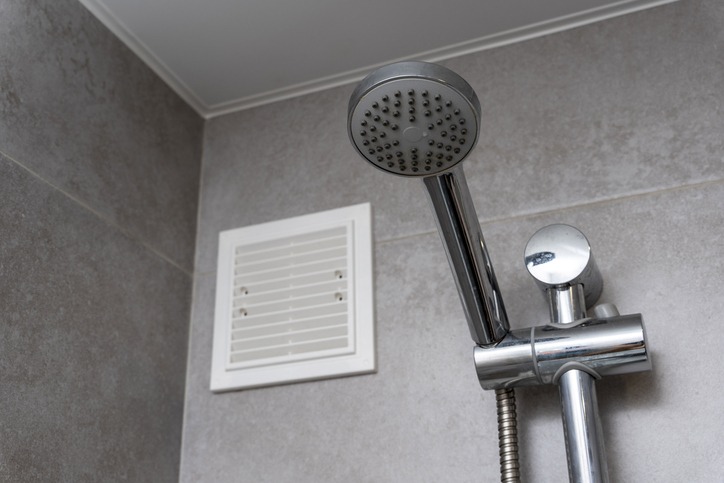
Bathroom fans are designed to remove humid air from showers and baths, but that air must exit the home completely to keep the structure dry. In some houses, the duct from the fan ends directly in the attic rather than venting outdoors. In other situations, loose or damaged connections allow humid air to leak into the space before it ever reaches the roof vent.
This setup often contributes to the signs of poor attic ventilation by subjecting the space to repeated bursts of warm, moist air. During colder months, this concentrated humidity can increase attic condensation in winter and create damp insulation or wood surfaces.
Signs of this issue may include:
- Flexible ducting lying loose on top of your insulation
- Water stains on the wood near the fan exhaust area
- Damp or matted insulation directly below the duct
Identifying these visual clues is the first step toward stopping hidden moisture from compromising your attic.
What To Check Next: Confirm the bathroom fan duct connects directly to an exterior roof or wall vent and that the connections are sealed.
4. Dark Staining On Insulation Near Ceiling Penetrations
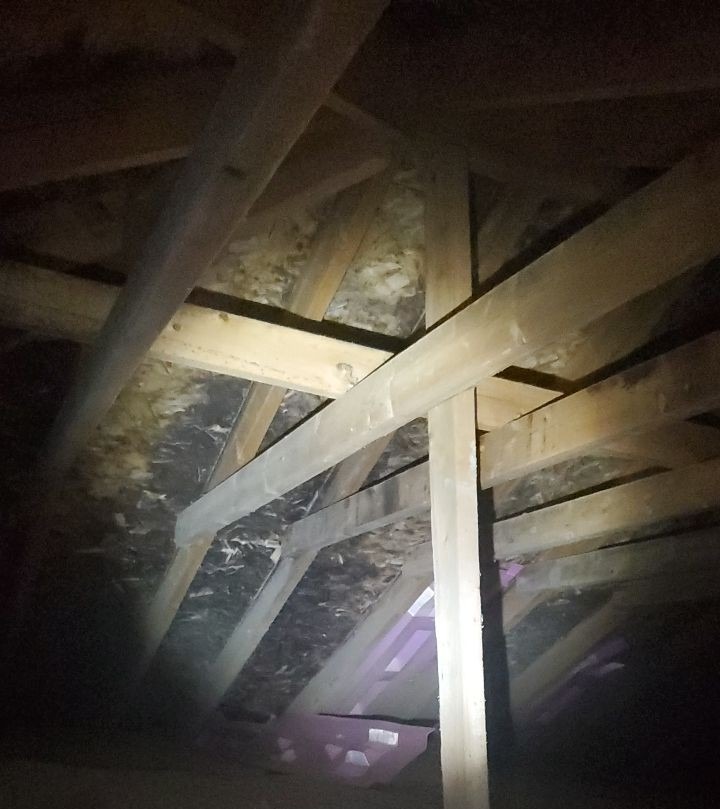
Small openings in your ceiling can reveal larger airflow concerns. Dark staining on insulation around plumbing pipes, electrical wiring, or light fixtures often indicates air leakage; warm indoor air travels through these gaps, carrying moisture with it.
This movement of humid air contributes to poor attic ventilation by allowing moisture to accumulate in nearby insulation and framing. In certain cases, persistent humidity can even contribute to mould on attic sheathing near these leak points.
Homeowners may notice:
- Discoloured or dirty-looking insulation near ceiling openings
- Damp insulation around wiring or pipes
- Darkened wood surfaces close to ceiling penetrations
These small clues often connect to broader attic ventilation problems that affect the health of your roof. Catching these early allows you to stop moisture at the source before it settles in your attic.
What To Check Next: Focus on sealing gaps around ceiling penetrations. Proper air sealing helps reduce moisture entering the attic in the first place.
5. Soffit Vents Blocked By Insulation Or Debris
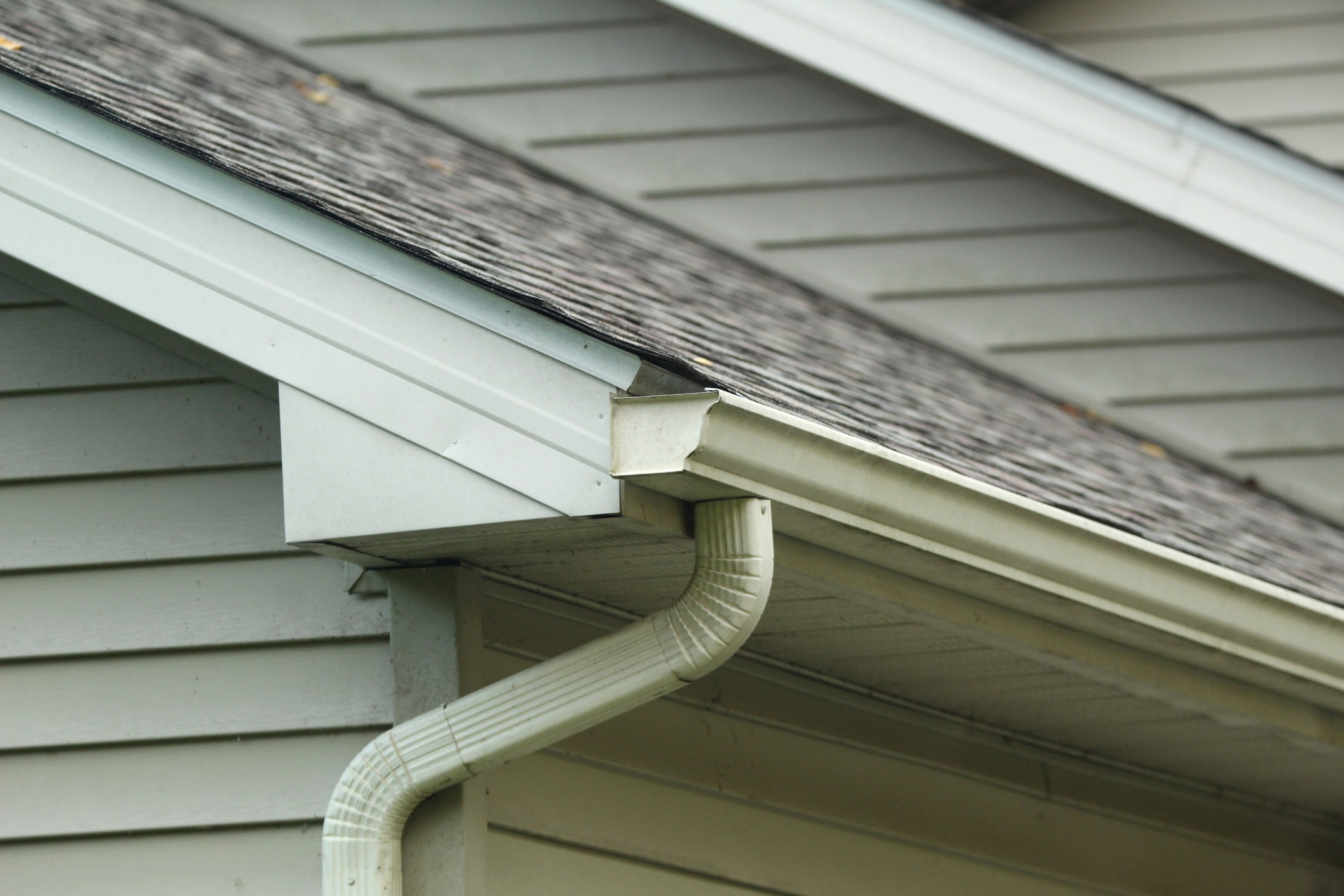
Soffit vents provide the intake airflow that allows attic ventilation systems to function properly. Fresh outdoor air enters through these vents and moves upward toward roof exhaust vents.
One of the most common signs of poor attic ventilation occurs when soffit vents blocked by insulation prevent outside air from entering the space. This often happens when insulation shifts over time or is installed too tightly against the roof edge,. Additionally, external dust, bird nests, or debris can block these narrow openings from the outside. Without this intake, even the best exhaust vents cannot function, leaving moisture and heat trapped in your attic.
When intake airflow disappears, attic ventilation issues develop quickly.
Homeowners should look for:
- Insulation packed against soffit openings
- Dust or debris covering vent holes
- A noticeable lack of airflow near the roof edges
What To Check Next: Inspect the edge of the attic where the roof meets the soffits. Vent baffles can keep insulation away from vents and restore airflow.
6. Uneven Temperatures Upstairs (Hot Summers, Chilly Winters)
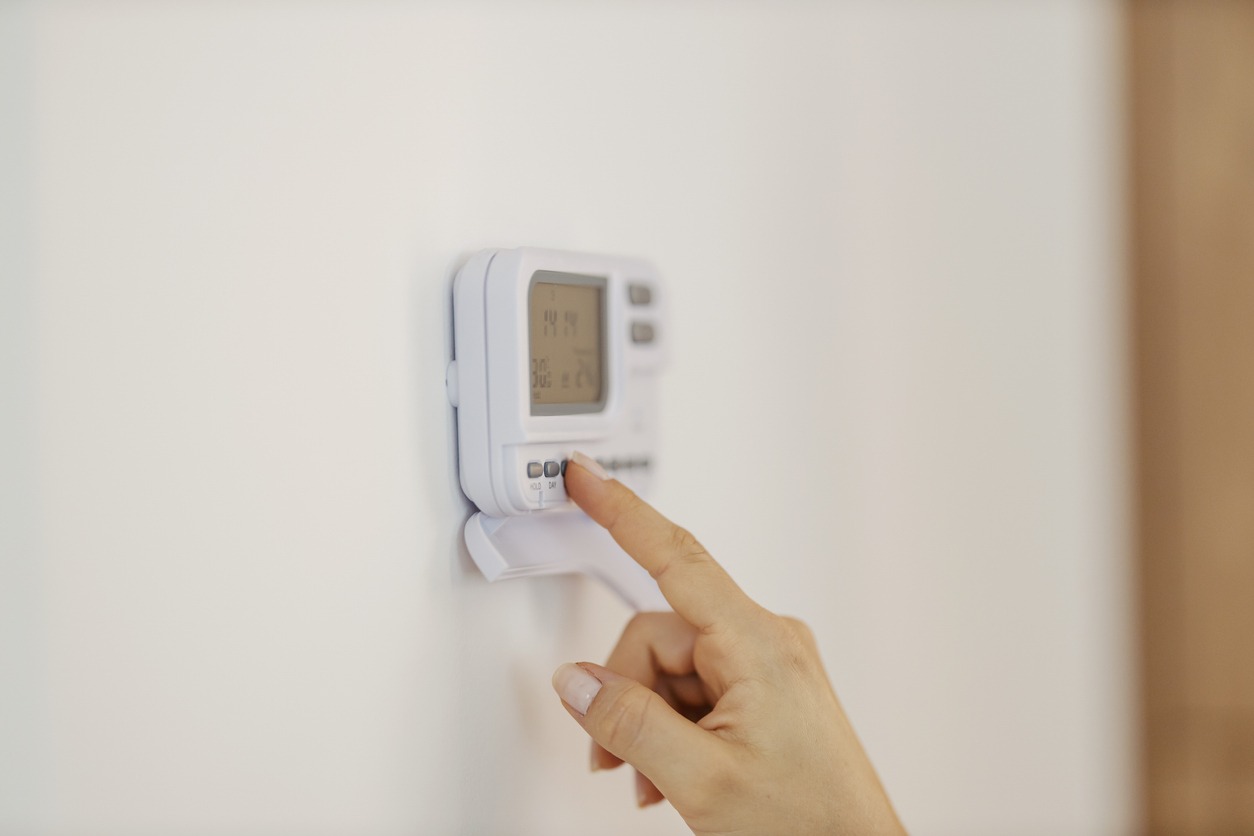
If the upper level of your home feels uncomfortable compared to the main floor, the attic may be involved. Proper attic airflow helps regulate indoor conditions by removing excess heat and moisture before they affect your living space.
One of the most noticeable signs of poor attic ventilation is uneven temperatures between floors. When ventilation is limited, heat builds up significantly in the summer, while winter moisture buildup can reduce the performance of your insulation. In both cases, your HVAC system has to work harder to keep your home comfortable, often leading to higher monthly utility bills.
You might notice:
- Bedrooms feeling hot during summer afternoons
- Certain rooms remaining cooler in winter
- Heating and cooling systems running longer than usual
What To Check Next: Review insulation depth and ventilation airflow. Balanced intake and exhaust ventilation helps maintain stable attic conditions.
7. Excessive Attic Heat In Warm Months
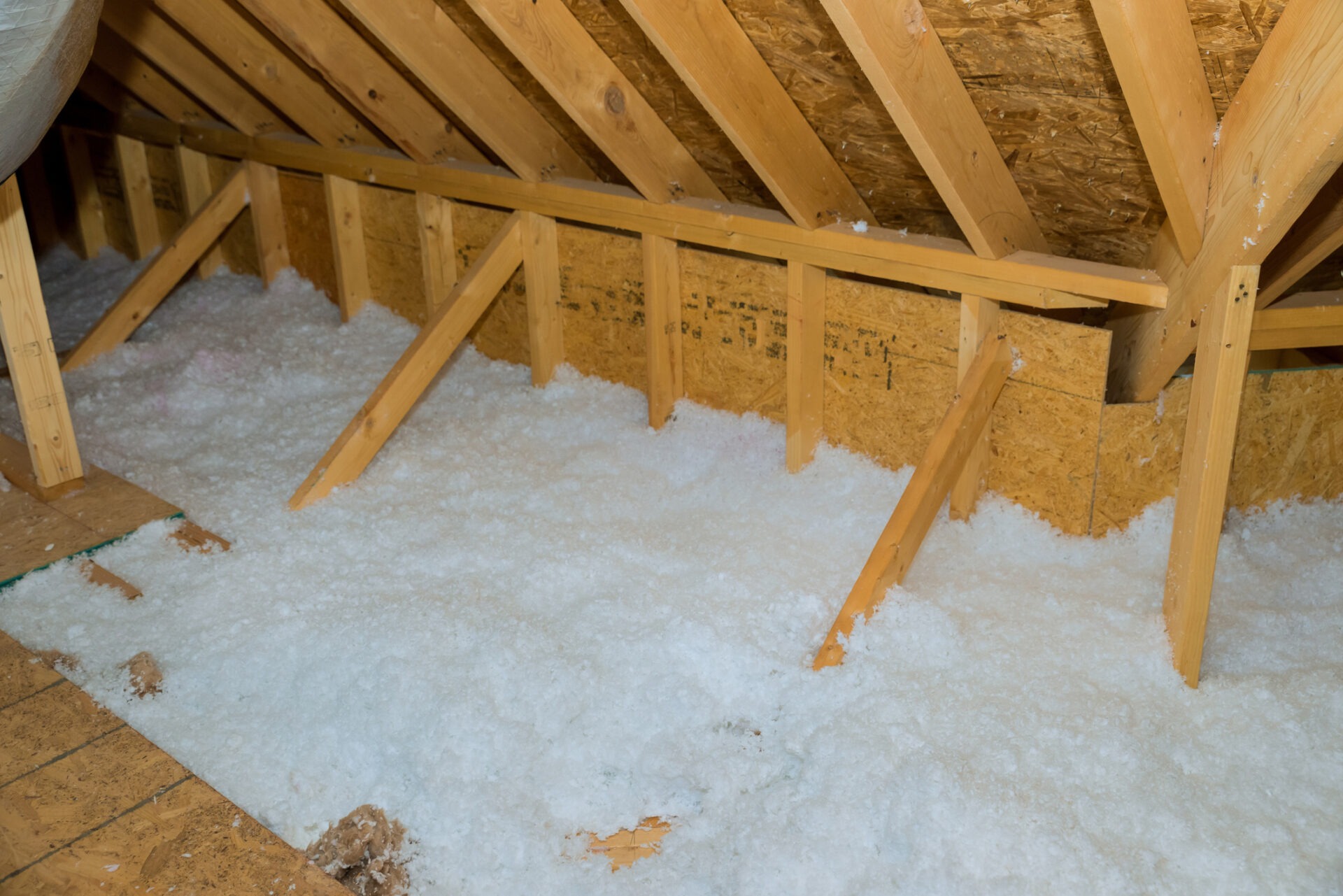
While attics naturally warm up during the summer, extremely high temperatures often signal ventilation concerns. When hot air cannot escape through roof vents, it remains trapped directly beneath the roof deck, a primary sign of poor attic ventilation.
Over time, this intense heat can “bake” roofing materials from the inside out, potentially shortening the lifespan of your shingles and significantly increasing indoor cooling demands. Homeowners often find that without a way for this heat to escape, the attic acts like a radiator for the rooms below.
You might notice:
- Very warm air when entering the attic
- Upstairs rooms heating quickly in summer
- Air conditioning working harder to maintain comfort
What To Check Next: Inspect ridge vents or other exhaust vents to ensure hot air can leave the attic.
8. Nails With Rusty Tips (A Moisture Clue)
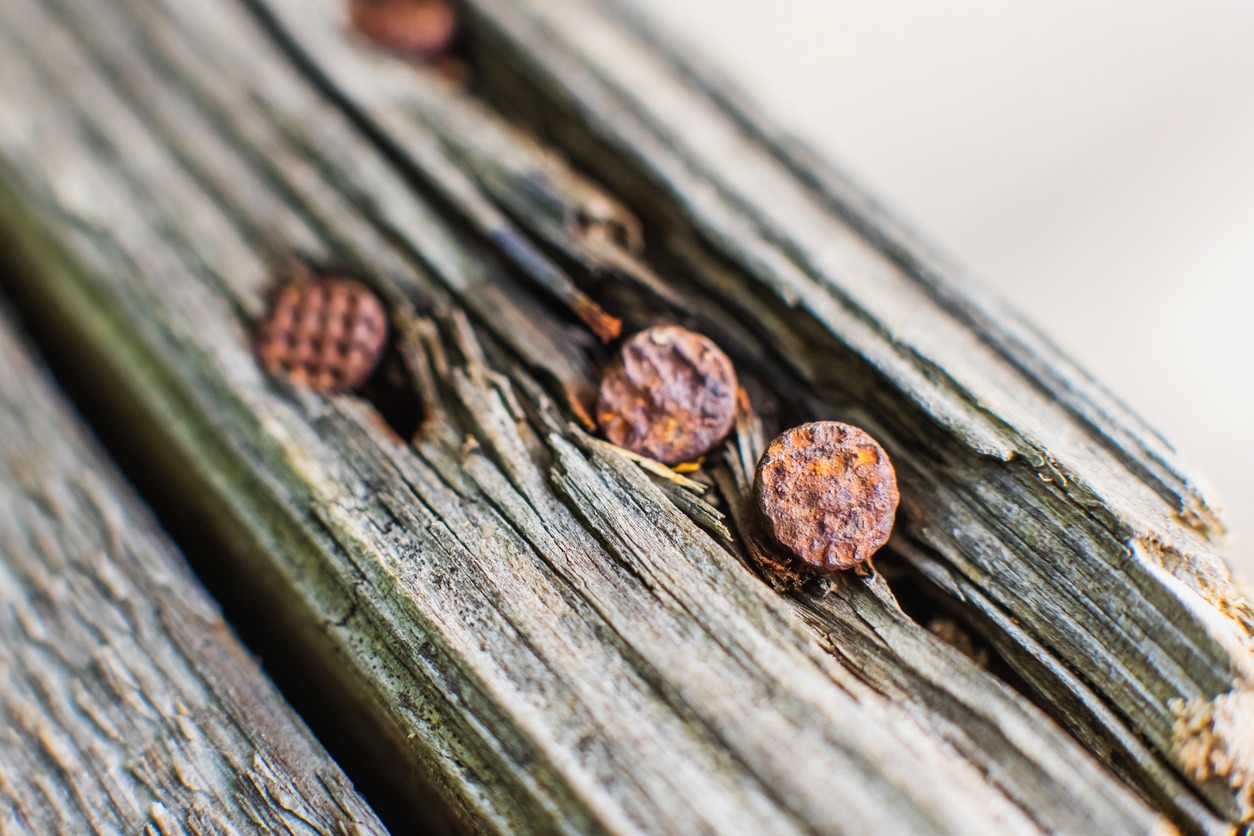
Sometimes small details reveal larger issues. When looking at the underside of your roof deck, you may see nail tips sticking through from the shingles above. Because metal reacts quickly to humidity, these nails often act as an early warning system; rusty tips are one of the most reliable signs of poor attic ventilation.
Persistent moisture in the attic causes this corrosion over time, and seeing rust in multiple areas suggests elevated humidity levels that are not being cleared away.
You may notice:
- Rust around nail tips
- Small moisture droplets hanging from nails during colder weather
- Rust visible in multiple sections of the attic
What To Check Next: Check airflow balance throughout the attic to ensure moisture can escape properly.
9. Ice Buildup Along Eaves After Snow

When warm air is trapped in the attic, it heats the roof deck and causes snow to melt from underneath. As that water runs down to the colder roof edges and refreezes, it creates ice buildup—one of the most visible signs of poor attic ventilation.
Ineffective airflow allows the roof deck to stay too warm, triggering a melt-and-freeze cycle that leads to leaks and gutter damage. While insulation and air sealing play a role, attic ventilation problems frequently drive this process.
Homeowners may notice:
- Icicles forming after snowfall
- Ice accumulating along gutters
- Thick “dams” of ice at the roof edge
What To Check Next: Review insulation coverage and ventilation airflow to help maintain consistent roof temperatures.
Why These Signs Matter For Your Roof

Your attic plays a major role in the overall health of your roofing system. When ventilation, insulation, and air sealing work together, heat and moisture move out of the space efficiently. Recognizing the signs of poor attic ventilation early helps prevent long-term moisture damage and protects the structural integrity of your roof.
Taking a whole-system approach ensures each part of the structure performs properly while supporting consistent indoor comfort throughout the year. If you have identified attic ventilation problems and want a professional perspective on your roof’s health, the team at The Roofman can help you explore your options.
Take the first step toward a healthier home: request an estimate.
Summary
Identifying the signs of poor attic ventilation is the first step in protecting your home from the top down. These indicators signal where your attic’s airflow needs adjustment to stabilize temperatures and keep the structure dry. By acting on these signs early, you ensure your roofing system remains durable, your home stays comfortable, and your energy costs stay manageable for years to come.