

Your attic might seem like just a quiet, unused space, but it plays a vital role in your roof’s health. Conditions inside affect everything from your insulation to the roof deck supporting your shingles.
In the Kitchener-Waterloo Region, long winters and frequent temperature swings create the perfect environment for attic moisture damage to take hold. When warm air from your home rises and hits the cold roof structure, attic condensation can form. It rarely appears all at once; instead, small signs begin to show up gradually.
For example, you might notice faint ceiling stains or wonder, “why is my attic damp?” Understanding how this moisture builds up helps you catch problems early. The sections below explain seven ways moisture affects roofing systems and what signs to watch for in your home.
Step 1: Mould Growth On Wood Surfaces
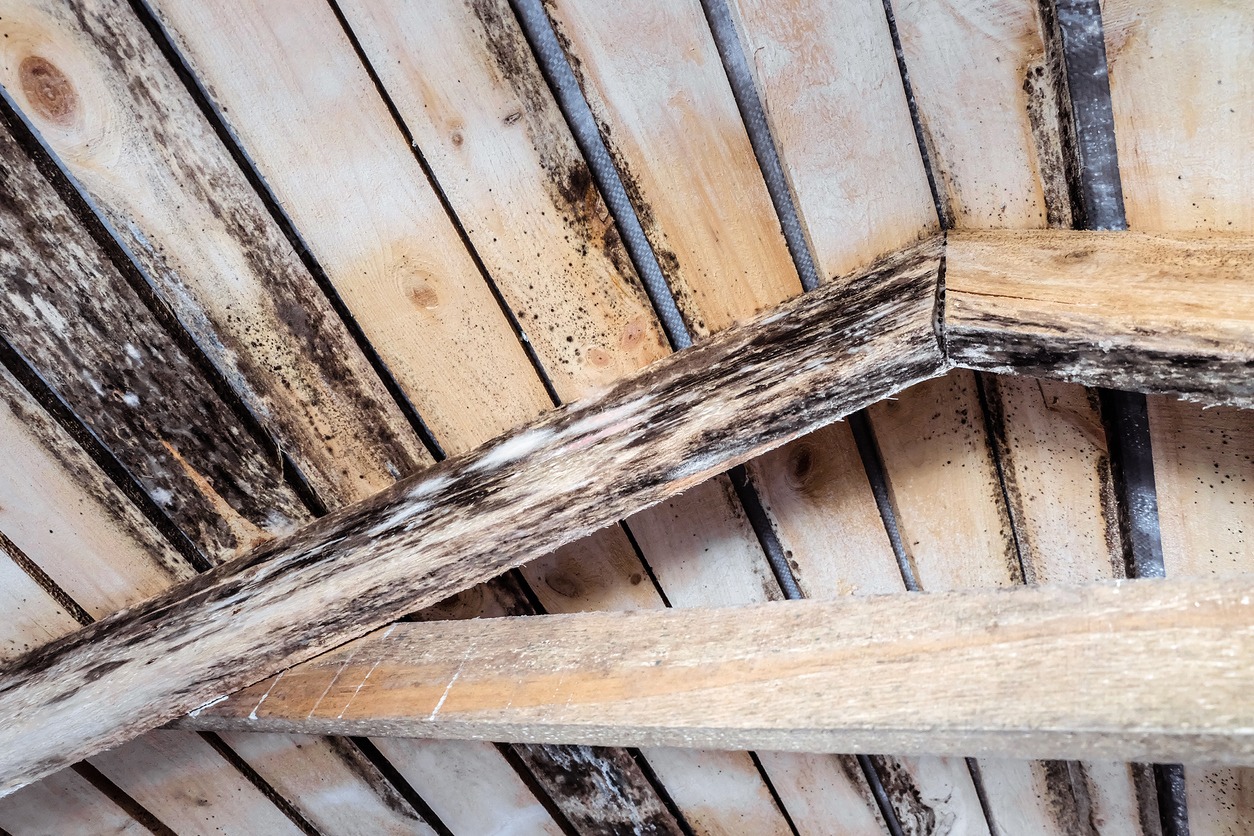
One of the earliest signs of moisture in an attic is mould developing on wood surfaces, and the issue typically begins when warm air “leaks” into the attic through ceiling openings like recessed lights, attic hatches, or plumbing stacks. When this air hits cold roof materials, it creates attic condensation in winter that settles on the underside of your decking.
Frequent dampness creates the perfect environment for mould. You might first notice mould on attic sheathing as light spotting, but these patches can spread if the moisture persists. While not always an immediate structural threat, it is a clear warning sign of attic moisture damage that can eventually compromise the integrity of the entire roof.
Signs to watch for:
- Dark speckled patterns on wood
- Slight musty smells in the attic
- Damp wood during colder weather
Which system lever helps most? Air sealing is the most effective fix; closing these gaps stops warm air from reaching those cold surfaces in the first place.
Step 2: Reduced Insulation Performance From Trapped Moisture
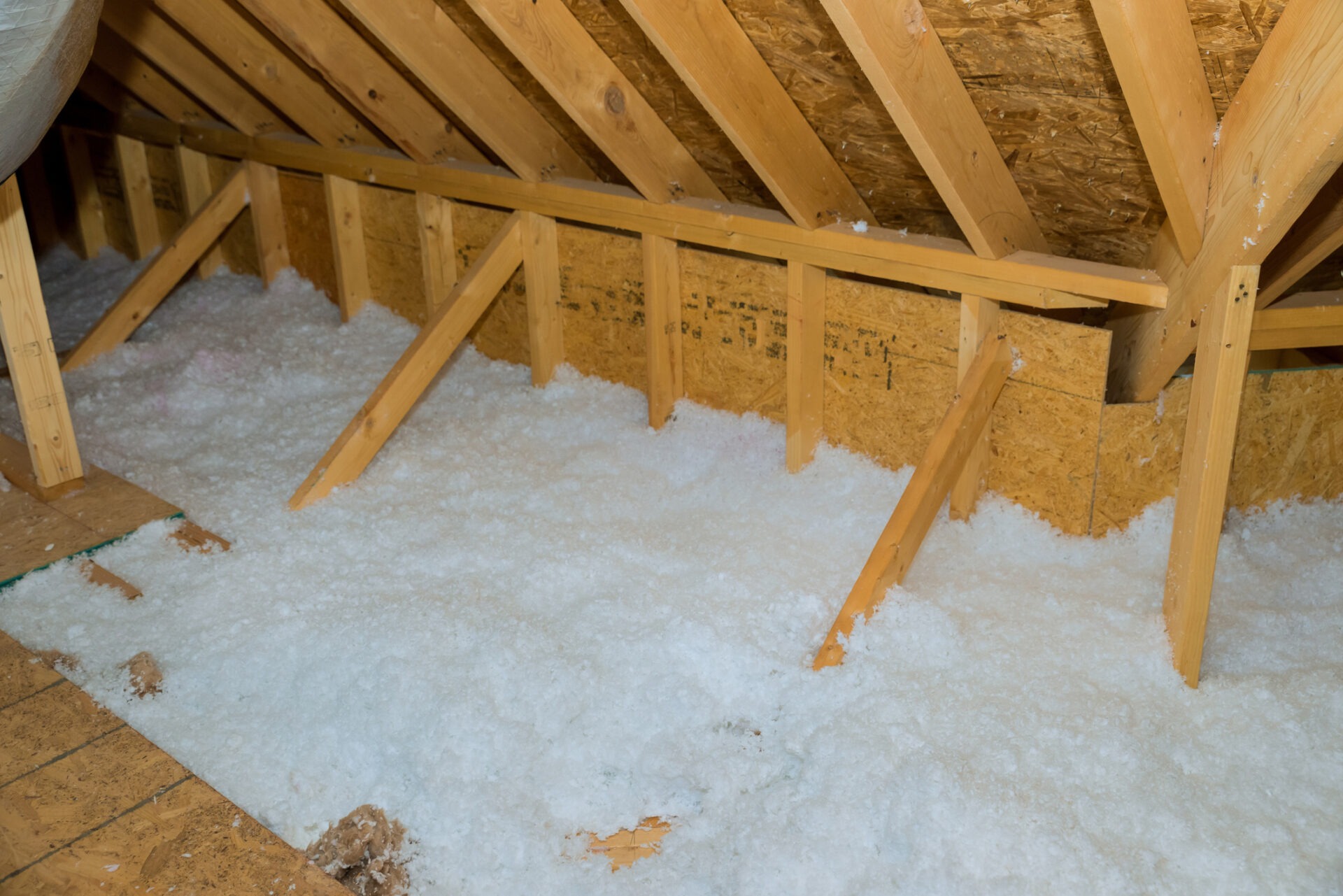
Insulation only works effectively when it stays dry. Once moisture enters the material, it loses its “loft” and its ability to trap air, allowing heat to escape your home more easily.
Homeowners often discover wet insulation in attic spaces in winter. It occurs when moist air from your living area rises and becomes trapped in the insulation fibers. This creates a cycle of inefficient heating where your furnace works harder to compensate for the heat leaking through the ceiling.
Signs to watch for:
- Rising Energy Bills: You notice higher costs even though you haven’t raised the thermostat.
- Cold Spots: Upper rooms feel significantly chillier than the rest of the house.
- Compression: Damp insulation can clump and flatten. Even after it dries, compressed material never regains its full R-value.
Its worth noting that this issue is often happening in tandem with attic ventilation problems. Without enough airflow to carry moisture out, the dampness lingers and accelerates the cycle of attic moisture damage.
Which system lever helps most? Insulation and air sealing work as a team. Sealing prevents moist air from entering the attic, while proper insulation levels keep the heat where it belongs—inside your home.
Step 3: Roof Deck Wear From Repeated Wetting And Drying
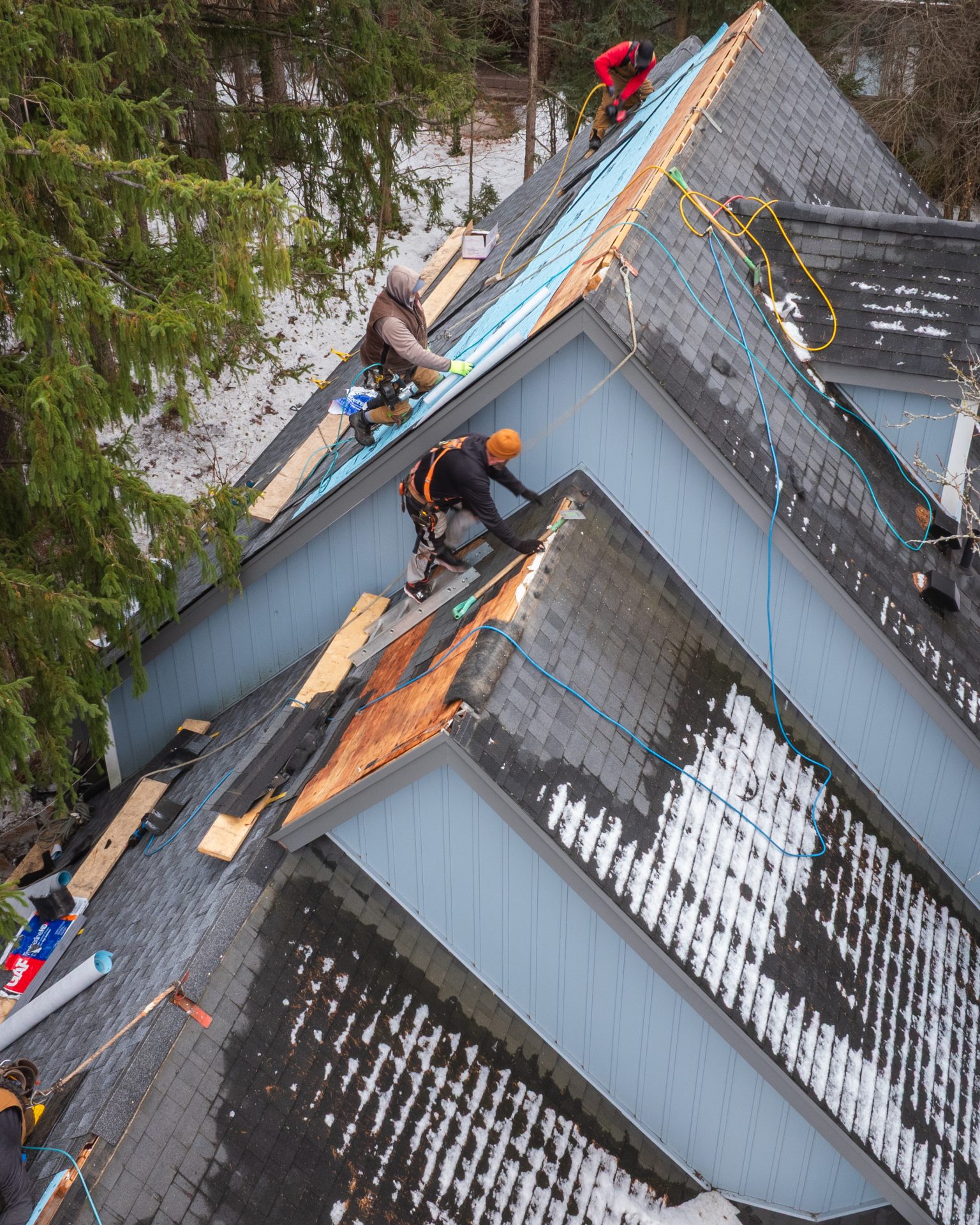
The roof deck is the structural base for your shingles. In the winter, condensation can gather on its underside when warm air meets the cold wood. As temperatures rise during the day, that moisture evaporates, creating a recurring cycle of dampness and drying. Over time, this process degrades the wood surface.
Common signs of roof decking moisture include:
- Darkened or water-stained patches
- Roughness or “lifting” along the wood grain
- Areas where the wood appears brittle or worn
These changes usually develop gradually and often go unnoticed without a professional attic inspection. However, repeated exposure can shorten the lifespan of the decking and eventually weaken the grip of the nails holding your shingles in place.
Which system lever helps most? Ventilation improvements provide the most benefit by allowing moist air to escape before it can condense on the wood.
Step 4: Rusting Fasteners And Metal Connectors
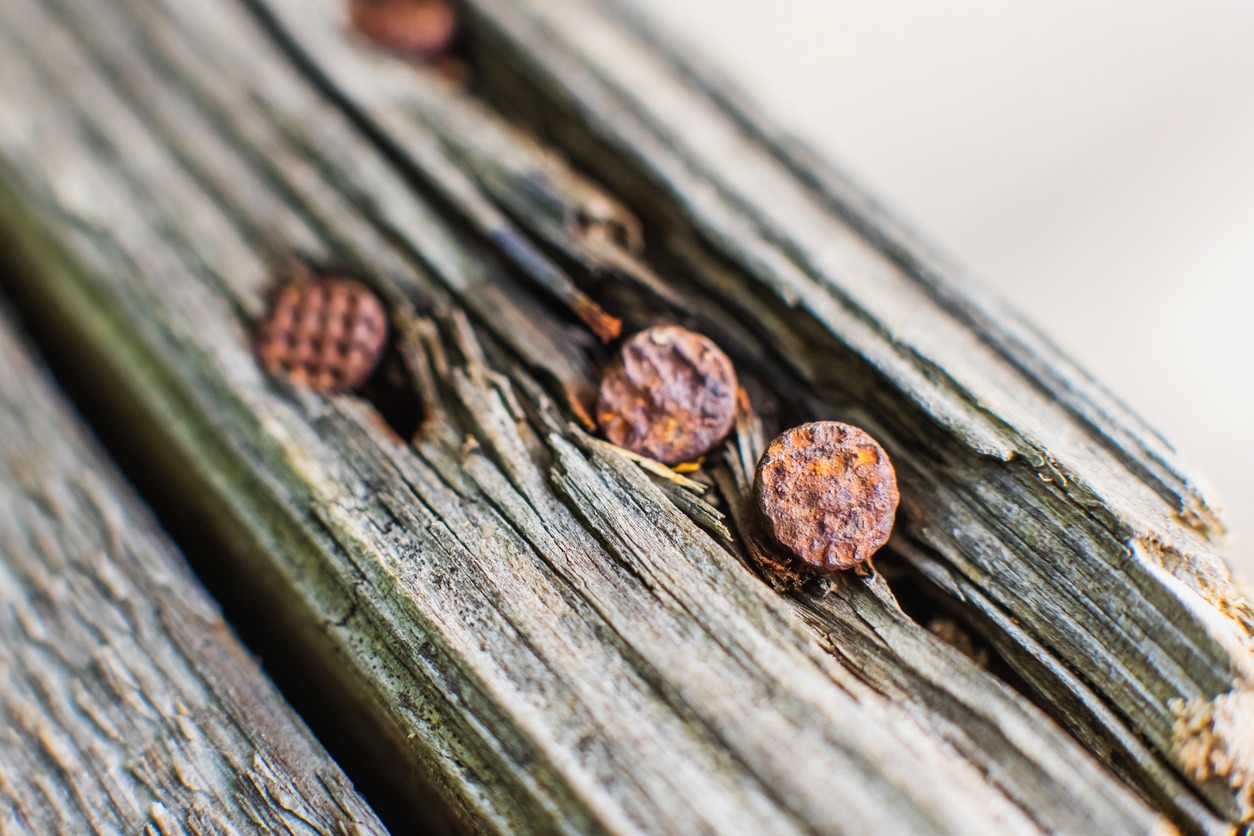
Roof systems rely on metal components—like nails, screws, and brackets—to hold the structure together. When humidity levels remain high in the attic, these parts can slowly begin to oxidize and rust.
As moisture settles on metal surfaces, this form of attic moisture damage is usually identified by:
- Reddish staining or “bleeding” on nail heads
- Rust around metal brackets and hurricane ties
- Flaking or discolouration on connectors
While rust develops slowly, it is a clear indicator that the attic environment is staying damp for too long. Homeowners often find these signs while investigating other concerns, like mould or wet insulation.
Which system lever helps most? Ventilation provides the most effective improvement. Maintaining balanced airflow allows humid air to exit the attic before it can settle and corrode critical metal components.
Step 5: Staining On Ceilings That Looks Like A Roof Leak
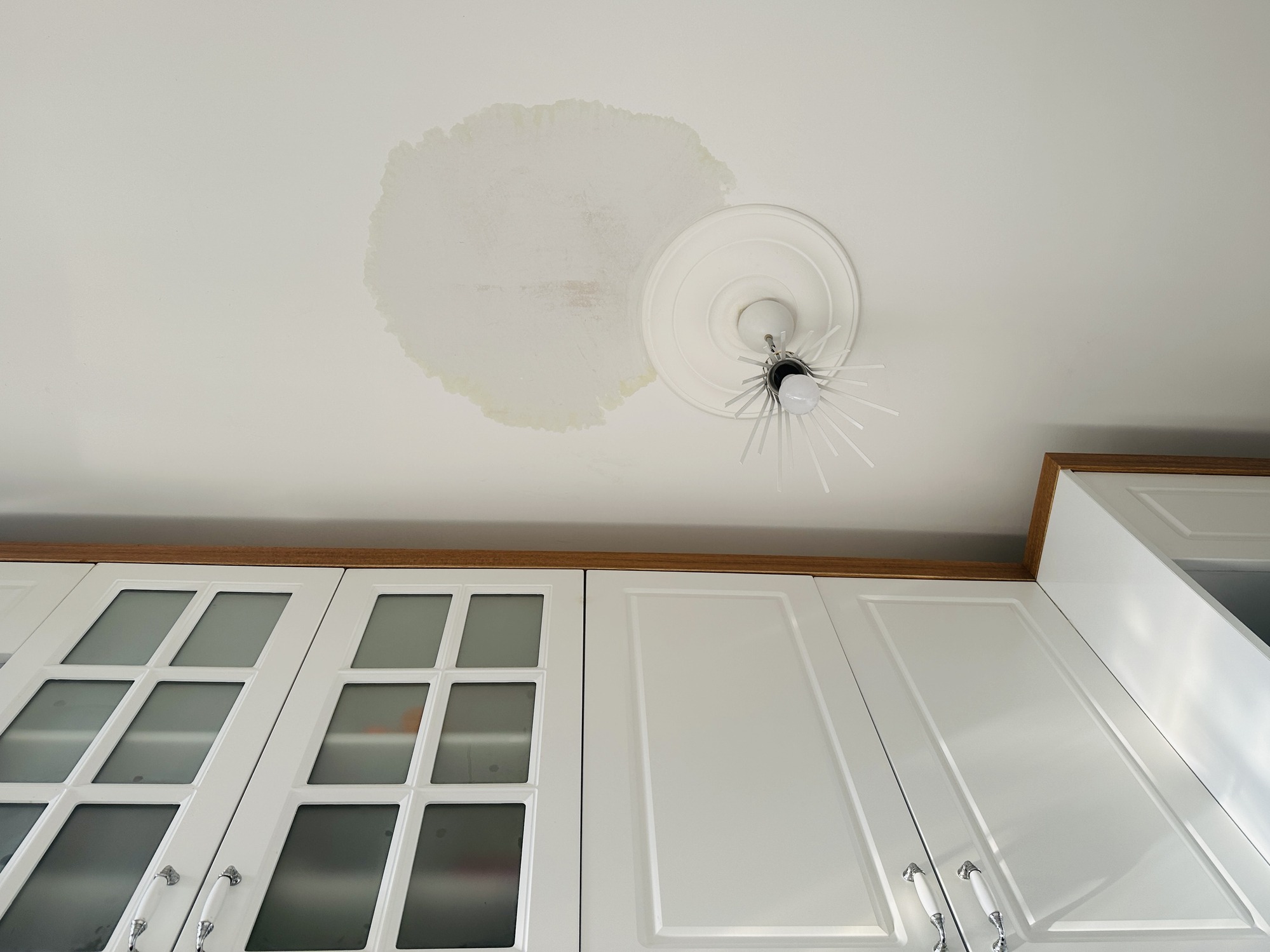
Ceiling stains are often mistaken for roof leaks, however they frequently occur when warm, moist air from your home escapes into the attic. During temperature swings in winter, warm air hits the cold roof deck and causes attic condensation. When that moisture thaws, it drips through the insulation and settles on your ceiling drywall.
Homeowners may notice:
- Yellow or brown “water rings” on the ceiling.
- Stains that appear after temperature changes
- Damp spots that form even when there has been no rain or heavy snow.
- Stains that form during late winter or early spring.
Which system lever helps most? Air sealing usually addresses this problem. Most cases are caused by warm, moist indoor air escaping into the attic and condensing on cold surfaces; sealing gaps around lights and pipes stops this air movement before it can reach the roof deck.
Step 6: Warped Sheathing And Uneven Rooflines
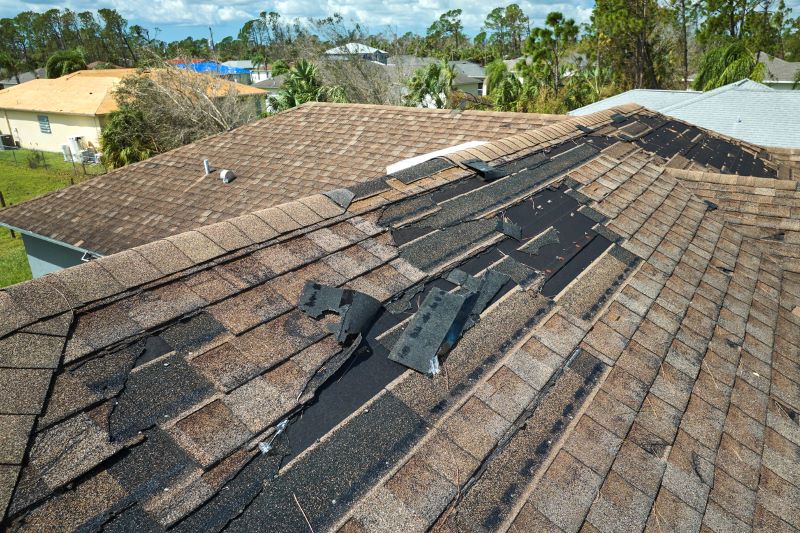
Wood naturally expands and contracts when exposed to moisture. If dampness remains present for long periods, roof sheathing panels may begin to change shape, creating subtle changes to your roofline.
This stage of attic moisture damage often presents as:
- Wavy Rooflines: Dips or “waves” visible when looking across the roof surface.
- Uneven Shingles: Areas where shingles no longer lay flat against the deck.
- Wood Distortion: Bowing or warping visible on the sheathing from inside the attic.
Which system lever helps most? Ventilation and Insulation work together to maintain consistent attic temperatures. By preventing the prolonged dampness and temperature swings that cause wood to warp, these systems help protect the structural integrity of your sheathing before it requires a full replacement.
Step 7: Ice-Related Issues Along Eaves After Snowfalls
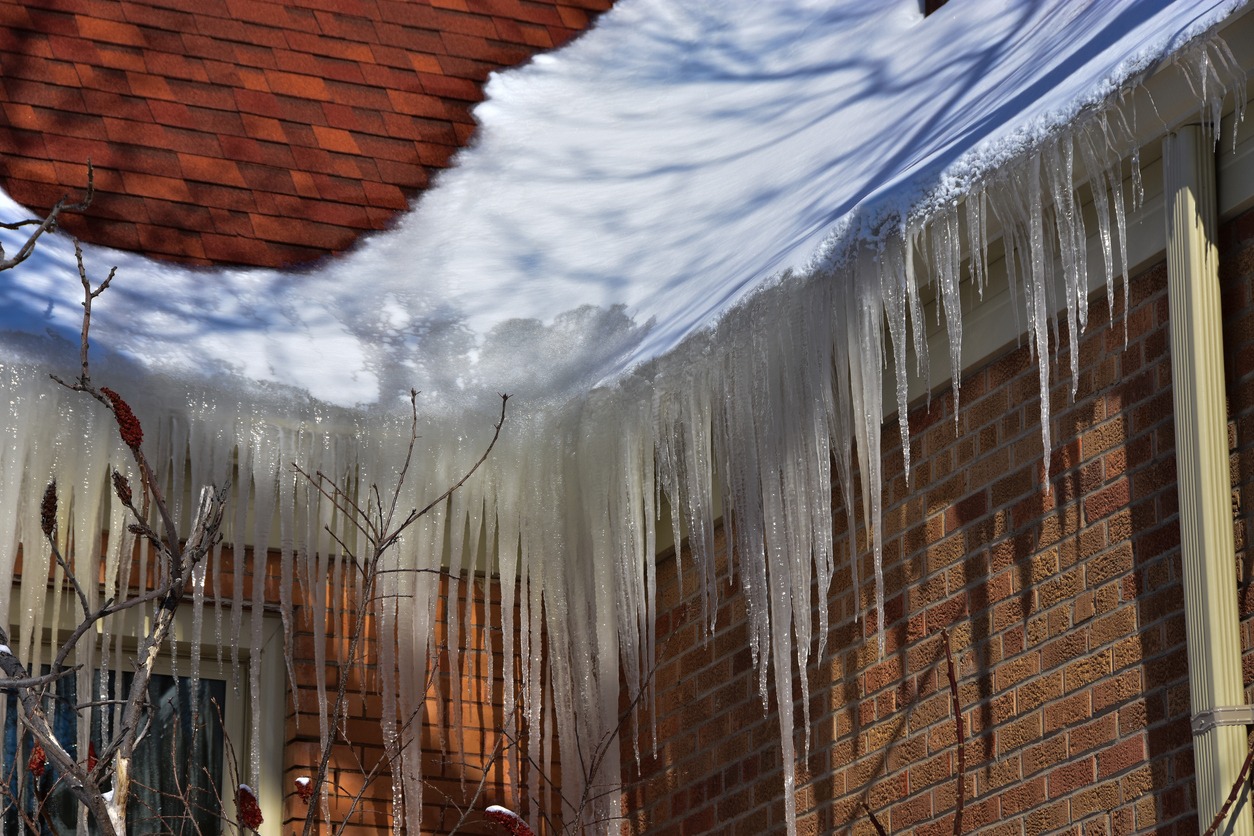
In the Kitchener-Waterloo Region, moisture inside the attic often contributes to ice buildup along the roof edges. When warm air escapes into the attic, it warms the roof deck, causing snow to melt even when it is below freezing outside. This water then runs down to the colder eaves and refreezes.
Signs of temperature imbalance:
- Large icicles hanging from the eaves or gutters.
- Ice dams forming along the roof edge after a snowfall.
- Uneven snow melting patterns across the roof surface.
Which system lever helps most? Insulation and Ventilation work together to maintain a consistent roof temperature. This prevents the melt-and-freeze cycle often linked to attic ventilation problems that allow heat and moisture to circulate within the space.
Seeing Your Roofing System As A Whole
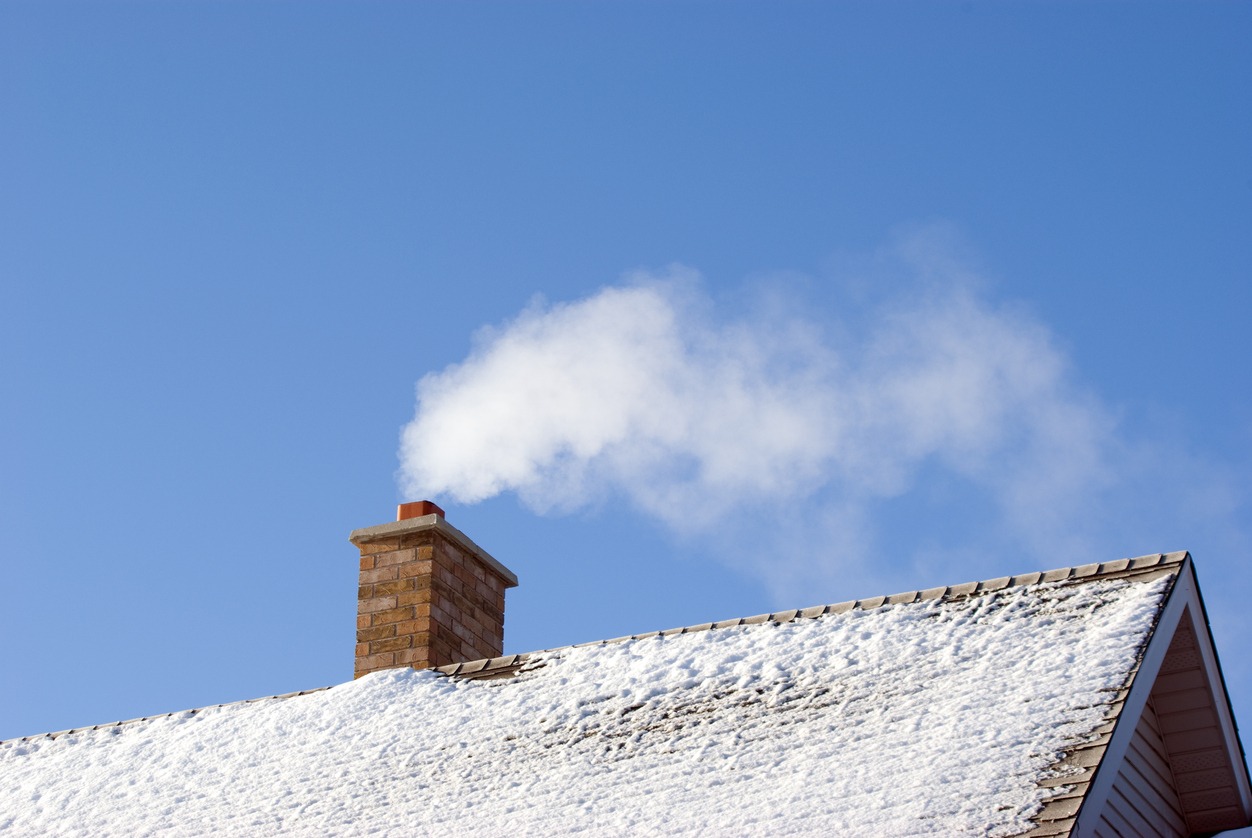
Air movement, insulation coverage, and ventilation all influence how moisture behaves inside your home. When one of these elements falls out of balance, it creates an environment where moisture can easily build up and begin affecting your home’s structure.
By paying attention to early signs like mould, damp insulation, or ceiling stains, you gain valuable insight into your roof’s health. A professional can help in this regard by completing a careful, system-wide assessment of your attic’s airflow and insulation to identify exactly where adjustments can prevent long-term wear and protect your investment.
If you would like an evaluation of your roofing system and attic conditions, request an estimate today.
Summary
Attic moisture damage develops gradually as dampness affects your insulation, roof decking, and interior ceilings. By recognizing these early warning signs, you can address small concerns before they lead to larger, more expensive roofing problems. Understanding how this process moves through your home is the best way to protect your roof’s lifespan over time.